
Last updated November 23, 2026
 Sweep & inspection
 Caps & crowns
 Flue relining
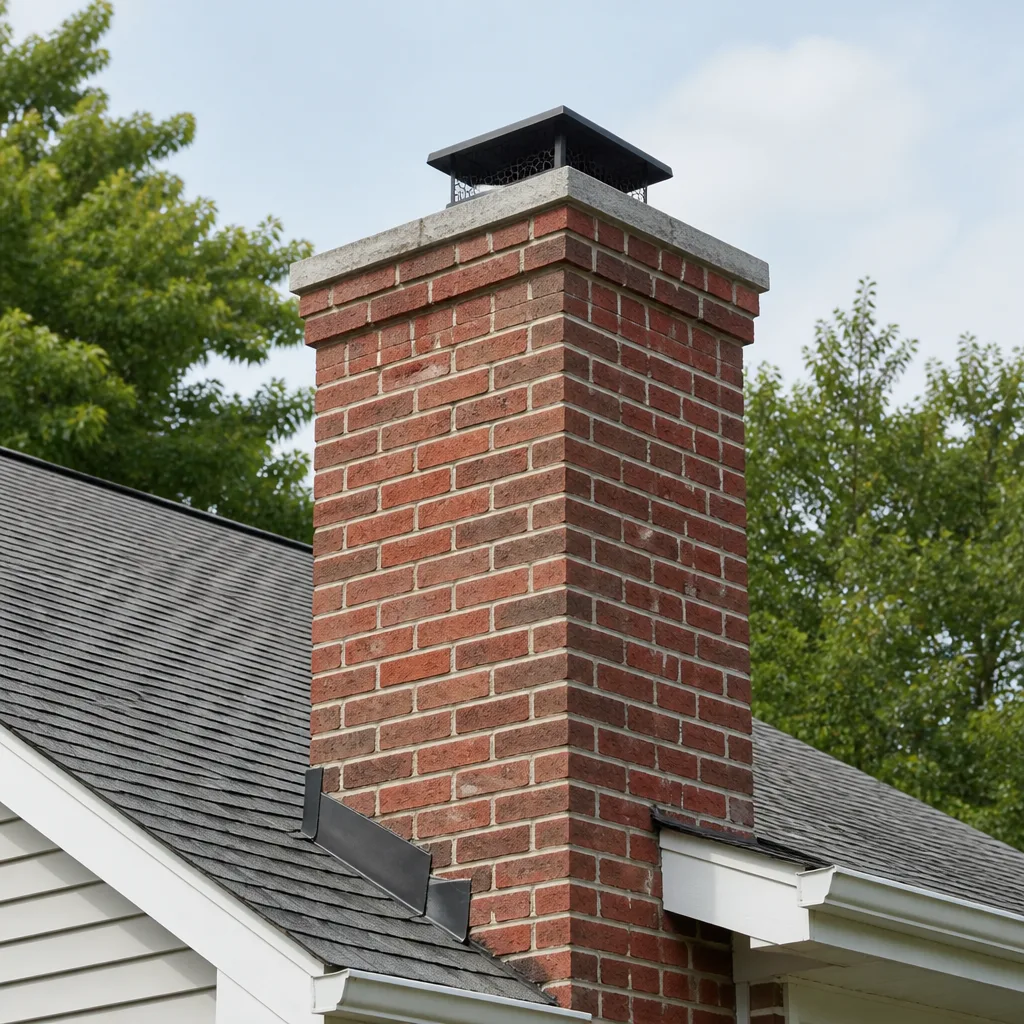 Masonry repair
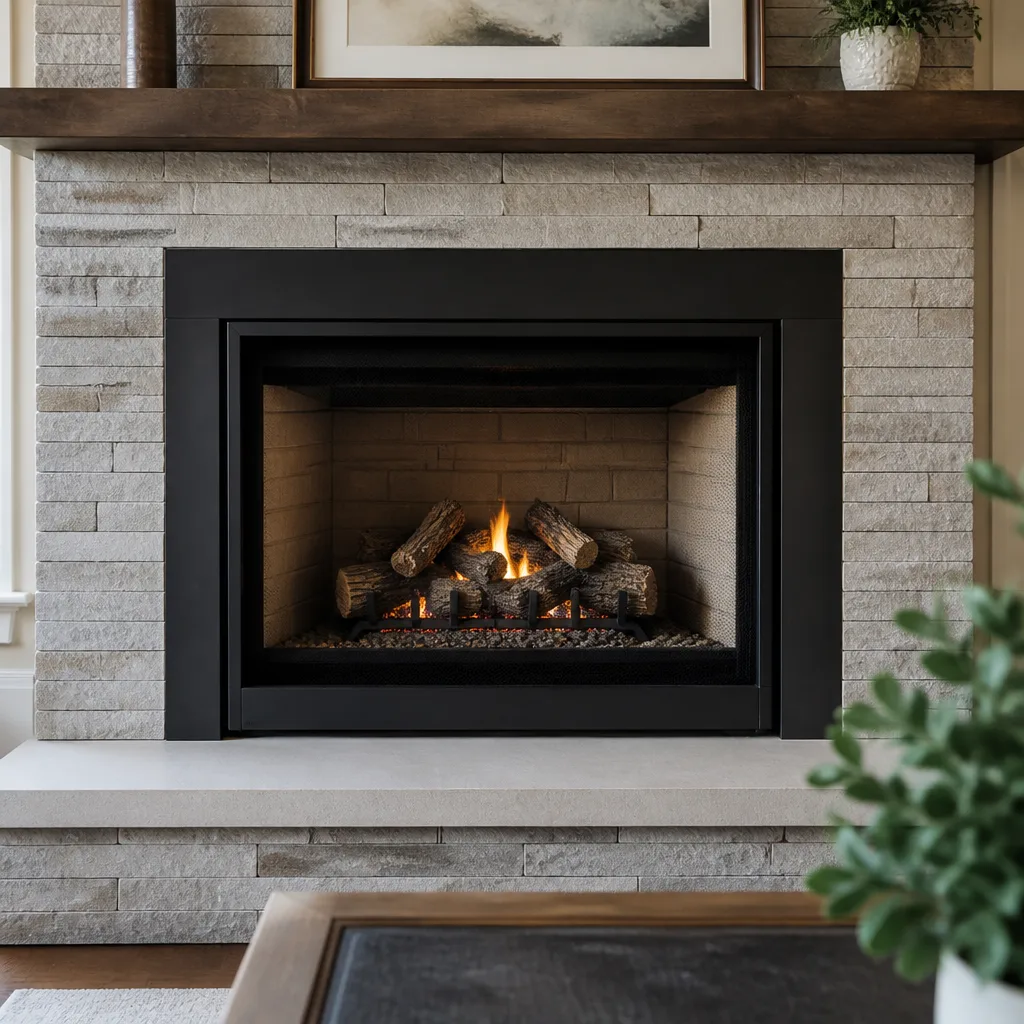 Gas fireplace service
Level 1 sweep and inspection to the NFPA 211 annual standard - flue, crown, cap, and flashing checked and photographed
Chimney sweep logs do not sweep chimneys. They loosen some creosote - which then falls where a brush and vacuum still have to collect it.
DIY vs Professional Chimney Cleaning: The Arvada Homeowner’s Decision Guide
The chimney brush kit at the hardware store will remove loose soot. It won’t tell you whether your flue liner has a crack, and that’s the part that actually prevents a house fire. That gap between what a brush does and what a chimney needs is where most DIY cleaning goes wrong. We’re not here to tell you that scrubbing your own flue is reckless in every case. For a narrow set of simple, modern systems, a careful homeowner with the right tools can keep the flue clear between professional visits. But that set is smaller than most tutorials suggest, especially in older Arvada homes with masonry chimneys that predate modern building techniques. This guide draws a clear line between what’s safe to do yourself, what genuinely needs professional equipment, and what a DIY clean quietly leaves behind.
Quick Answer
You can safely clean a prefabricated metal fireplace flue yourself if the geometry is simple, the flue is straight, and you have the correct-sized brush and rods. You should call a professional for any masonry chimney with offsets, for stage 2 or 3 creosote, for smoke chamber cleaning, and any time you need camera inspection to verify the liner. A professional visit also includes an inspection that a DIY clean cannot replicate, and that inspection is often more valuable than the sweeping itself.
Styles & brands we work with
- Sweep & inspection
- Caps & crowns
- Flue relining
- Masonry repair
- Gas fireplace service
Table of Contents
- What a Homeowner Can Realistically Handle
- What Requires Professional Equipment and Training
- Why Older Arvada Masonry Chimneys Are a Different Job
- What DIY Cleaning Misses That Matters Most
- An Honest Cost Comparison: DIY vs Professional
- The Three Stages of Creosote and Why They Matter
- How a Professional Sweep Actually Works
- Common Mistakes to Avoid
What a Homeowner Can Realistically Handle
There is a real category of chimney work that a homeowner with the right tools can do safely and well. It’s just narrower than most people expect. Here’s where a careful do-it-yourselfer can genuinely succeed in Arvada.
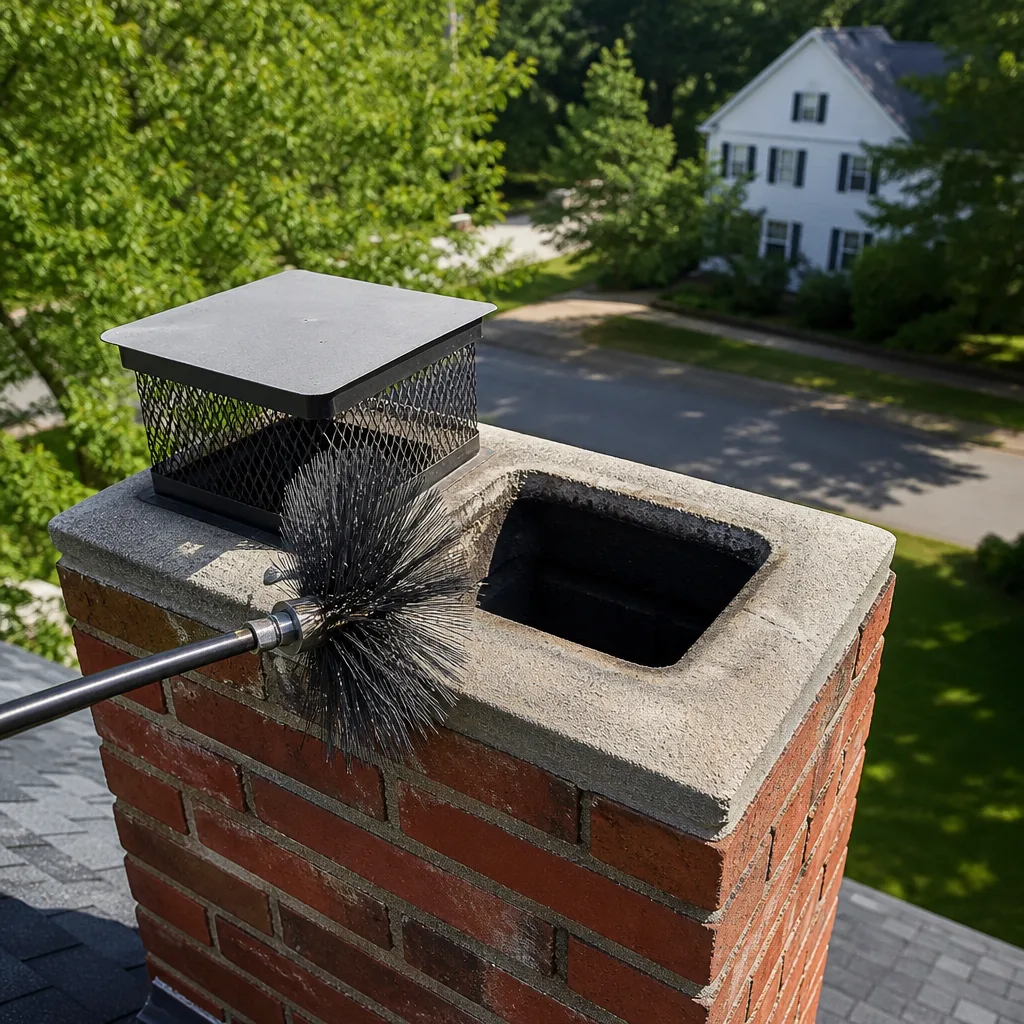
- Cleaning a prefabricated metal fireplace flue with accessible, straight geometry. Factory-built fireplaces in newer homes often have a straight flue with no offsets, and the manufacturer’s instructions tell you what brush and rod to use. If your system is straight, accessible, and free of a smoke shelf offset, you can run a correctly sized poly or wire brush through it.
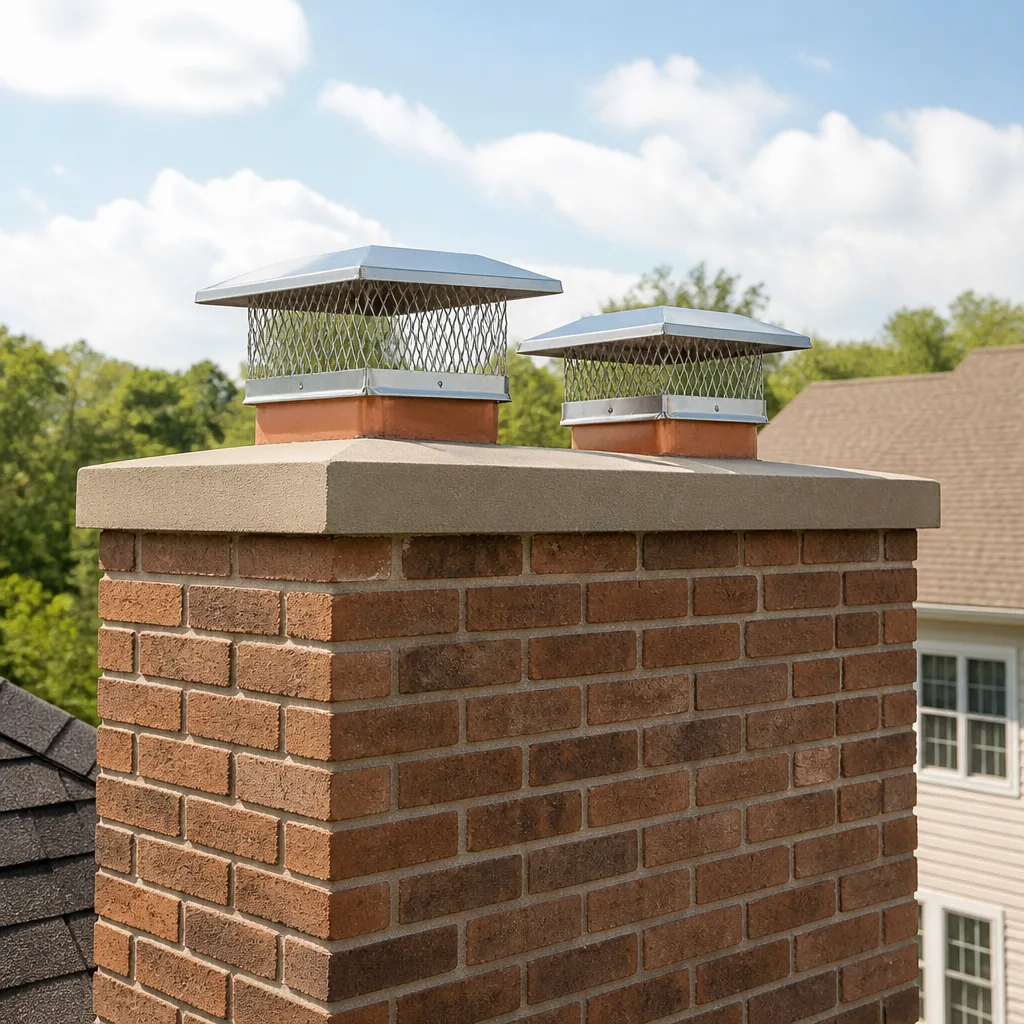
- Inspecting and replacing a chimney cap. A cap that’s rusted, dented, or missing a screen is a visual check you can make safely from the ground or a stable ladder. Replacement caps are a straightforward swap when the flue has standard dimensions.
- Clearing light debris from a spark arrestor. Screens can clog with soot, twigs, or bird debris. If the cap is at the roofline and safely reachable, light clearing is reasonable upkeep.
- Cleaning and inspecting the firebox. Vacuuming ash, checking firebrick for obvious cracks, and clearing the firebox before the burning season are all things you can do without specialized equipment.
Notice what’s missing from that list: anything involving a masonry chimney with an offset, anything involving heavy creosote, and anything that requires getting on a roof with the wrong ladder. In our experience, the homeowners who get the most out of DIY cleaning are the ones who know exactly when to stop and book a professional visit. For a broader look at what full maintenance covers, our Arvada Chimney Sweep Co overview is a practical place to start.
What Requires Professional Equipment and Training
Certain chimney jobs are not a matter of working harder. They need tools, camera equipment, and training that a homeowner simply doesn’t have. These are the situations where DIY cleaning becomes either ineffective or unsafe.
- Stage 2 and 3 creosote removal. Stage 1 creosote is a light, flaky deposit a brush can handle. Stage 2 is a thicker, hardened, glazed layer that resists a brush. Stage 3 is a tar-like coating that’s extremely difficult to remove and is the most flammable. Removing stage 3 creosote typically requires chemical treatment or specialized rotary tools, and it’s a strong reason to call a pro.
- Smoke chamber cleaning. The smoke chamber sits directly above the damper and is notoriously hard to reach. Its corbeled walls collect creosote in ways a straight flue brush can’t address. This is one of the most overlooked areas in DIY cleaning, and a glazed smoke chamber is a fire risk.
- Any situation that requires camera inspection. If there’s any question about liner integrity, a camera inspection is the only reliable answer. A brush can’t tell you whether the liner has a hairline crack or a separated joint. If you’ve had a chimney fire, or the liner was installed decades ago, a camera inspection is the honest starting point.
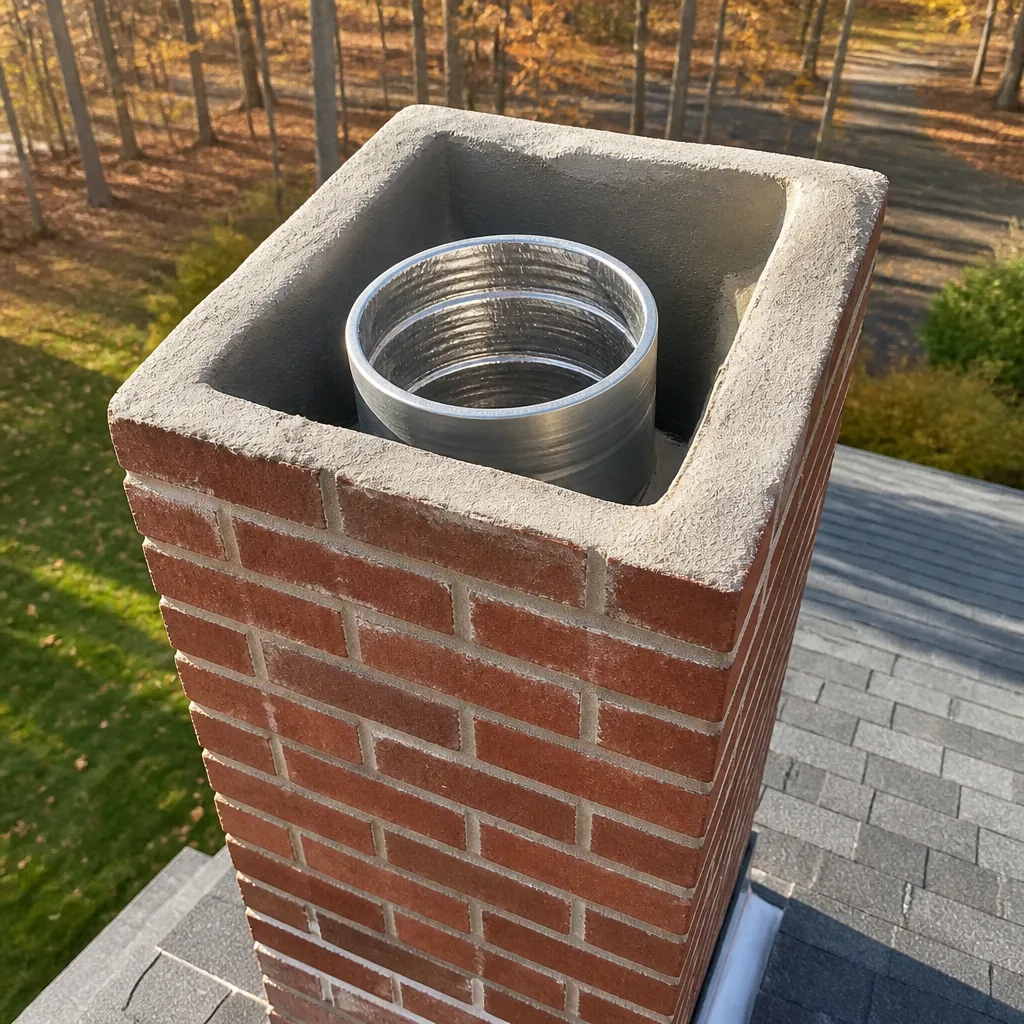
- Liner assessment and relining. When a liner has failed, the fix is usually a relining job with a professional-grade product like DuraFlex flexible liner systems. That’s beyond DIY scope on every level.
- Chimney crown and structural repairs. A failing crown lets water into the masonry, and that damage compounds. Any structural repair belongs in professional hands.
If your situation is on this list, don’t push through with a rented brush. Book a chimney sweep so the job gets done with the right equipment and an inspection built in.
Why Older Arvada Masonry Chimneys Are a Different Job
Arvada has a meaningful share of mid-century and older homes with masonry chimneys, and those chimneys were built to different standards than today’s. That makes them a fundamentally different cleaning job than a modern prefab flue, and it’s the single biggest reason DIY cleaning carries more risk here.
The first variable is geometry. Older masonry chimneys often have irregular offsets, extra bends, or a smoke shelf that throws a brush off its line. A brush that hangs up on an offset doesn’t clean the flue, it scratches at one spot, and a homeowner can’t see what’s happening above the damper.
The second variable is mortar condition. Original mortar joints in an older chimney may have softened and deteriorated over decades of heating and cooling. Those joints aren’t designed to withstand aggressive brush pressure, and a rotating brush driven by a homeowner who doesn’t know the condition of the joints can loosen mortar and worsen a problem that was invisible before the cleaning began.
The third variable is hidden cracking. Our mountains-to-plains climate in Arvada is hard on masonry. Freeze-thaw cycles pry at small cracks and widen them over a season. A crack you can’t see from the firebox has a way of becoming a crack you can’t ignore, and only a camera inspection reliably reveals it. Professional-grade materials like HeatShield chimney resurfacing are designed to address some of this deterioration, but you have to know it exists first. The same logic applies to chimney repair generally: you diagnose before you repair.
What DIY Cleaning Misses That Matters Most
A brush removes loose soot from the flue. That’s a real thing and it’s not nothing. But a professional sweep catches a set of issues that a brush physically cannot reach or see, and those are the issues that actually determine the safety of your chimney.
- Smoke chamber glazing. A brush goes right past the smoke chamber. Creosote can glaze on those corbeled walls and stay there indefinitely. This is one area where a professional fireplace repair technician’s eye and camera catch what a brush cannot.
- Liner joint separation. A liner that has separated at a joint is leaking combustion gases into the surrounding structure. You can’t feel it from the firebox and you can’t see it from the roof without inspection equipment.
- Animal nesting above the accessible zone. Raccoons, birds, and squirrels nest in flues above where a homeowner can reach. Nests block the flue and are a serious carbon monoxide risk until they’re removed.
- Deterioration at the roofline. Flashing failure, crown deterioration, and cap corrosion all happen at the top of the chimney where a homeowner on a ladder can’t fully assess the masonry.
None of this is meant to talk you out of a brush in the flue, if that’s the right call for your system. It’s meant to be honest about what a brush clean actually accomplishes. It removes soot. It does not inspect the chimney.
An Honest Cost Comparison: DIY vs Professional
Let’s put actual numbers on the table. A DIY cleaning has real costs beyond the brush kit, and a professional sweep has real value beyond the sweeping. This is where the honest comparison gets interesting.
DIY supplies for a single cleaning include the brush, the fiberglass or poly rods, a shop vacuum with a fine filter, drop cloths, and whatever safety gear you’re comfortable with. If you clean once a year for a few years, the kit pays for itself. That’s the honest case for DIY.
But the professional sweep includes an inspection as part of the visit, and that inspection is worth more than the sweep itself in most cases. Here’s the practical split:
- What DIY covers: the soot brush, the cap check, the firebox vacuum, and the light debris clearing.
- What professional covers: everything DIY covers, plus smoke chamber cleaning, camera inspection, liner assessment, creosote staging, and a written report of what was found.
- What DIY cannot cover: anything that requires knowing the condition of the liner, the condition of the mortar, or the condition of the cap seal above the roofline.
The cost comparison gets much less favorable for DIY the moment you need one repair you didn’t know about. A $3,000 water-damage job from a neglected cap or crown is a real risk, and a professional visit is the point where you find out. Call us at (888) 378-1823 for a free estimate so you can see the actual numbers for your specific chimney.
The Three Stages of Creosote and Why They Matter
Creosote is the reason chimney cleaning exists as a trade. It’s a byproduct of burning wood, and it accumulates in stages, each more dangerous and harder to remove than the last. Knowing which stage you’re dealing with tells you immediately whether DIY cleaning is realistic.
- Stage 1 creosote is soot-like and flaky. It looks like black powder and flakes off when you touch it. This is the stage a brush is designed to handle, and for prefab flues in good condition, it’s the stage most amenable to DIY.
- Stage 2 creosote is hardened and glazed. It’s the black, crusty layer that clings to the flue and resists a brush. Removing it typically requires rotary cleaning tools or chemical treatment and is best left to a pro, because a homeowner can’t reliably tell how deep the glaze runs.
- Stage 3 creosote is tar-like and heavily concentrated. It’s the most flammable stage and the one most associated with chimney fires. It generally requires specialized removal, and DIY efforts at this stage tend to make the problem worse rather than better.
If you burn wood in an Arvada home, you’ll accumulate creosote at a rate that depends on your burn habits, wood moisture, and how much your flue cools the smoke before it exits. The only reliable way to know your stage is an inspection, and that’s one of the strongest arguments for having a professional inspect your chimney before you decide whether to DIY clean it.
How a Professional Sweep Actually Works
Understanding what a professional visit involves makes the value difference clear. A professional sweep isn’t just a faster version of a DIY cleaning. It’s a completely different sequence of steps, with inspection and diagnosis built into every stage.
- Pre-sweep inspection. The technician inspects the firebox, damper, smoke chamber, and flue condition before any brush goes in. This is where problems get flagged that a homeowner would never see.
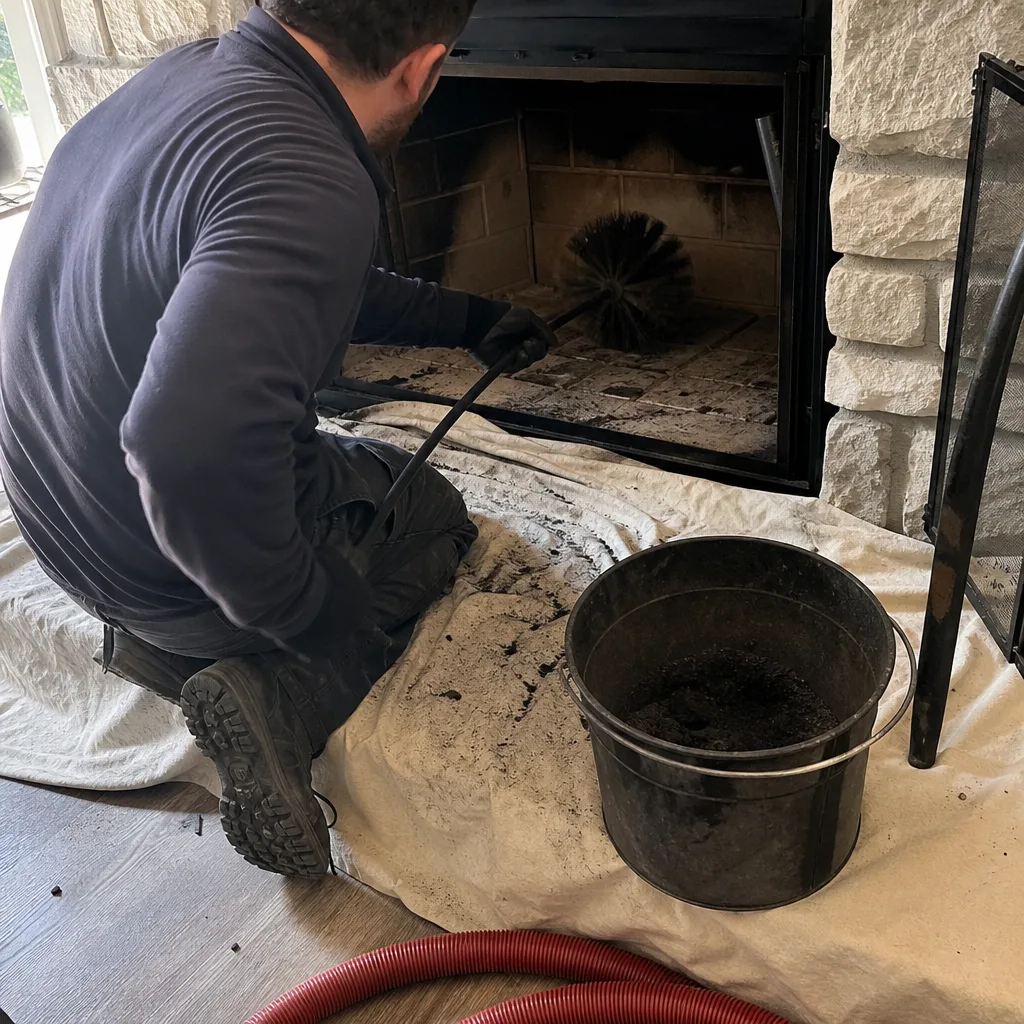
- Protecting the home. Drop cloths go down, the workspace is sealed, and the vacuum is set up with a fine filter so soot stays contained. This is a big difference from a homeowner with a shop vacuum and a prayer.
- Brushing the flue. The flue is brushed with the correct-sized brush and rods for the flue’s geometry, then the smoke chamber is addressed with tools designed for it.
- Camera inspection. A camera inspection runs the length of the flue to check for cracks, separated joints, and creosote staging. This is the step that makes a professional visit worth the cost.
- Report and recommendation. The technician documents what was found and tells you honestly what needs work now and what can safely wait. If a repair is needed, they should show you the camera evidence that supports it.
Arvada Chimney Sweep Co handles the full chimney system, from the firebox to the crown, so the sweep and any follow-up repair happen under one company. If you want to know more about how we work, our team is glad to walk through the process before you book.
Common Mistakes to Avoid
- Using a brush that’s the wrong size for the flue. An undersized brush skips the flue walls and leaves creosote behind. An oversized brush can damage the liner or mortar joints. Match the brush to the flue, not to whatever the hardware store had in stock.
- Cleaning an older masonry chimney without inspecting it first. In Arvada’s older neighborhoods, mortar joints may have softened to the point that brush pressure makes the problem worse. Inspect before you brush.
- Assuming a brush means a clean chimney. A brush removes soot. It doesn’t touch the smoke chamber, it doesn’t reveal liner cracks, and it doesn’t assess the cap seal at the roofline. Those are the parts that matter most for safety.
- Skipping the smoke chamber entirely. Smoke chamber glazing is one of the most missed problems in DIY cleaning and one of the most significant fire risks. A brush can’t reach it.
- Climbing onto the roof without the right ladder and fall protection. Roof work carries genuine risk, and a chimney cap replacement on a steep or icy roof isn’t the same job as cleaning a firebox. If the roof access isn’t safe, don’t force it.
- Ignoring the cap and crown until there’s a leak. Most water damage in a chimney starts at the cap and crown. Inspecting them while you’re already up there is the cheapest repair you’ll ever do. Our team works with Gelco caps and related components on a regular basis.
- Treating a chimney fire as a DIY project. Any chimney fire, even one that seems to have gone out, needs a professional inspection before the chimney is used again. The liner damage may not be visible.
When to Call a Professional
If any of these situations describes your chimney, book a professional visit rather than attempting a DIY clean. You’ve had a chimney fire, even a small one. Your chimney is masonry with offsets, an older flue, or known mortar deterioration. You see stage 2 or 3 creosote, which means hardened or tar-like deposits. You can’t see the smoke chamber or the flue above the damper. Your liner is old and you don’t know its condition. You smell smoke in the house when the fireplace is running. Your cap is damaged or missing. Or your burn habits involve a lot of fires and you don’t know when you were last inspected.
Arvada Chimney Sweep Co offers free estimates in Arvada. Call (888) 378-1823. We answer 24/7, and fast dispatch runs 7am-7pm, Sunday through Friday. The estimate is free, the price is set per job by a written estimate, and nothing is recommended without camera evidence you can see for yourself.
See the difference
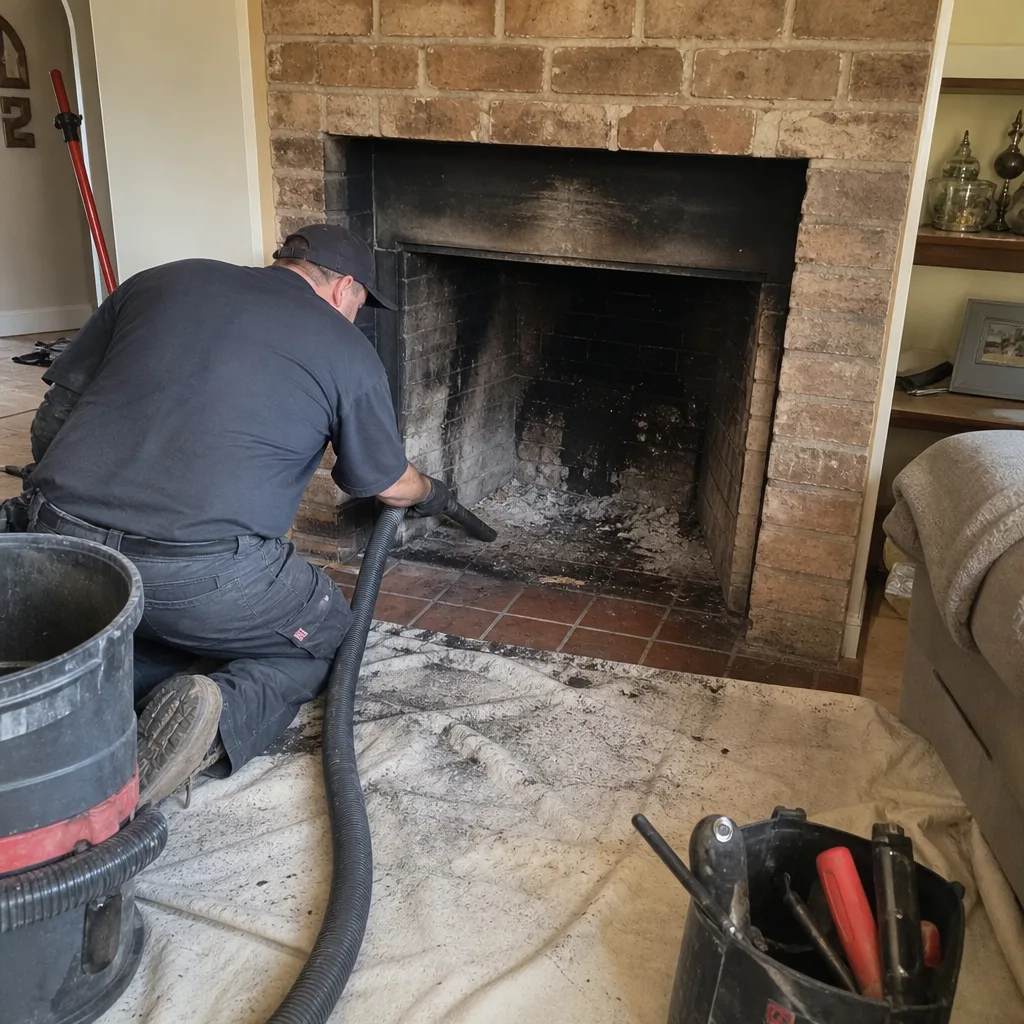 Before
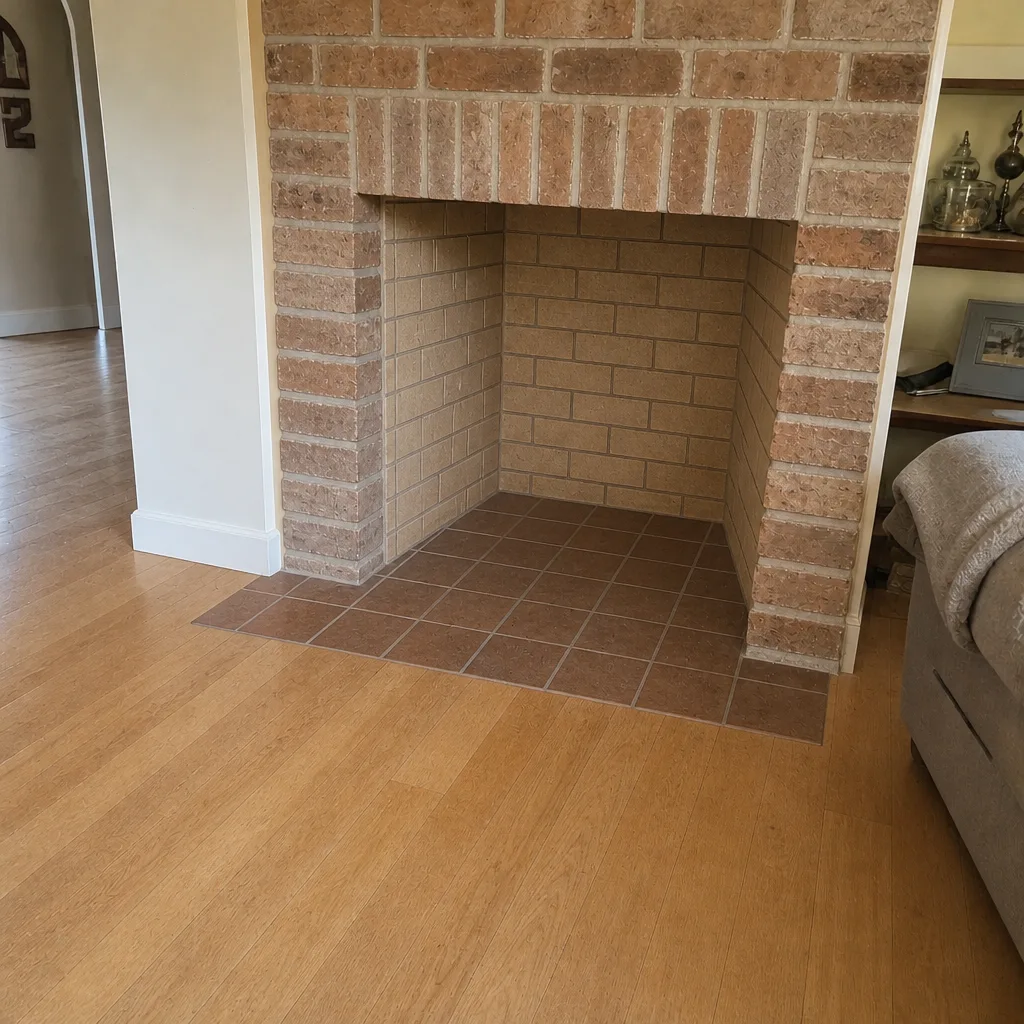 After
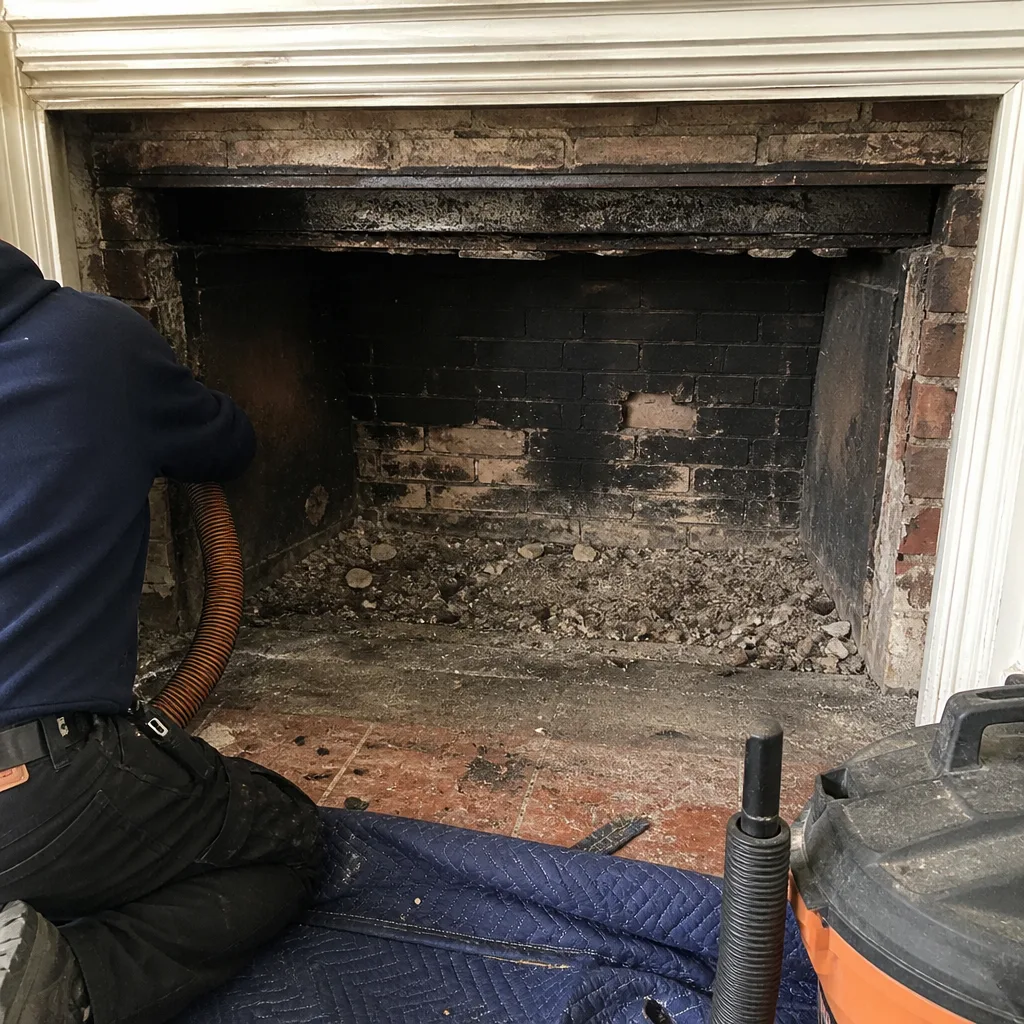 Before
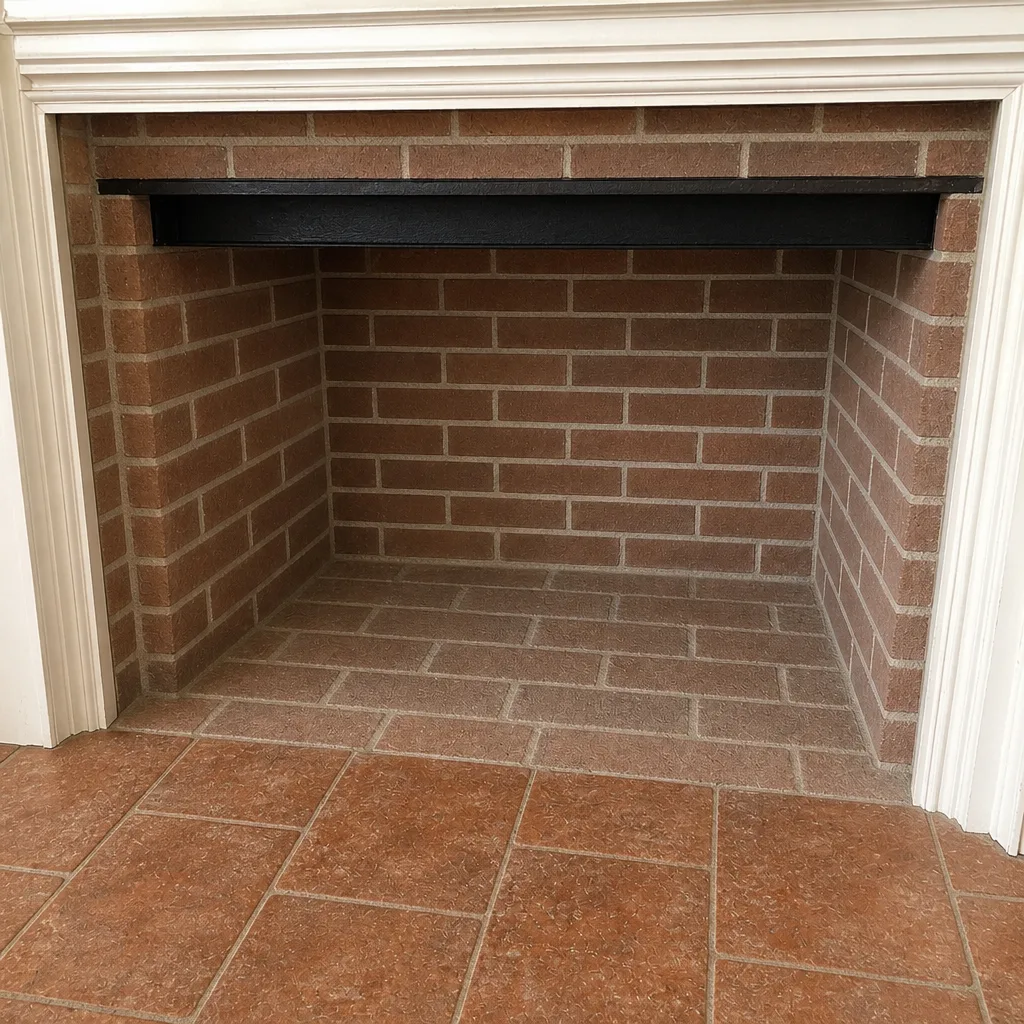 After
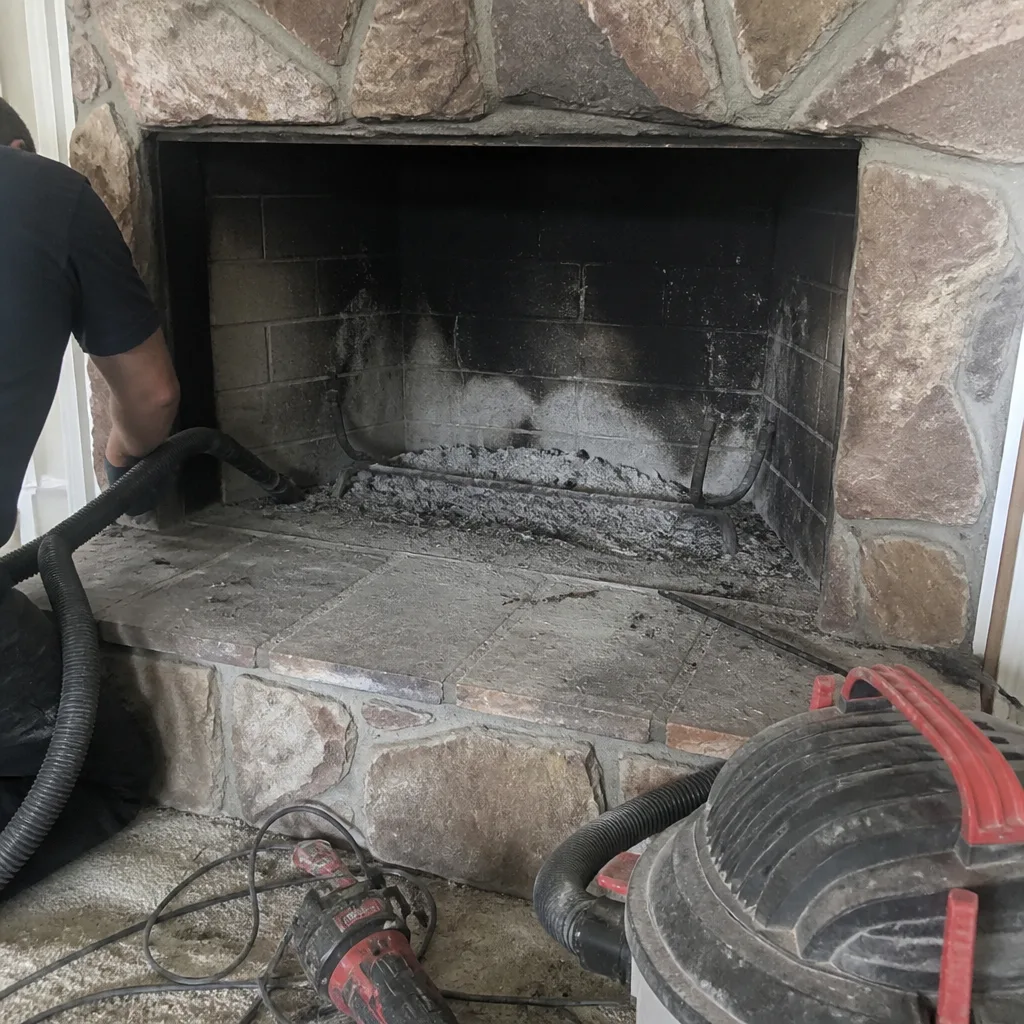 Before
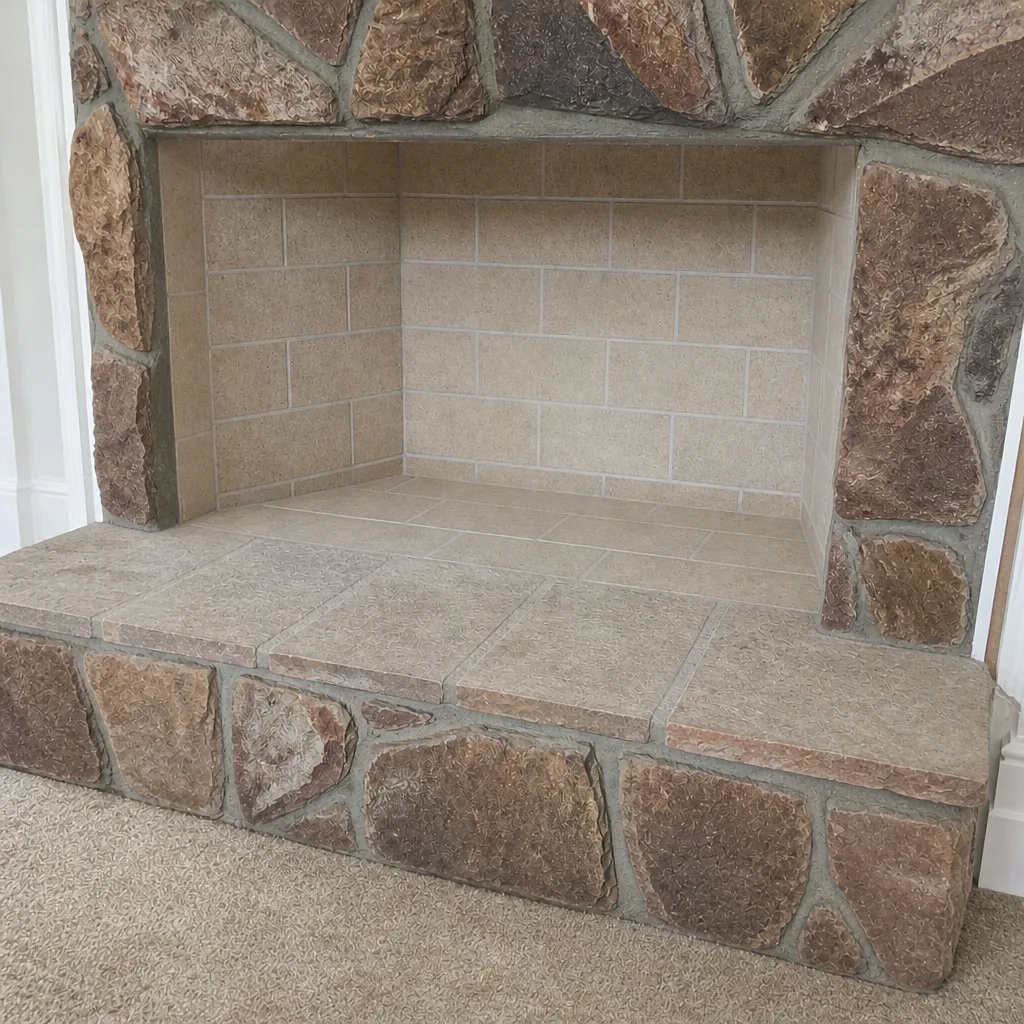 After
Frequently Asked Questions
A standard professional chimney sweep in Arvada is priced per job based on the written estimate, and the estimate itself is free. Call (888) 378-1823 for an exact quote. What sets the price apart from a DIY brush kit is that the professional visit includes an inspection of the flue, smoke chamber, and cap, plus a camera report you can review.
You can safely clean a prefab metal flue with straight geometry, inspect and replace a standard cap, and clear light debris from a spark arrestor. You should not DIY a masonry chimney with offsets, stage 2 or 3 creosote, smoke chamber glazing, or any situation that needs camera inspection. If any of those apply, call (888) 378-1823.
Creosote continues to accumulate, and the risk of a chimney fire climbs with each season. Carbon monoxide risks from blockages or liner damage also grow. The honest answer is that a chimney can look fine and still be unsafe. Call (888) 378-1823 to book an inspection so you know where you stand.
A camera inspection is the only way to see whether the liner has cracks, separated joints, or stage 2 or 3 creosote. It isn’t upsell when it’s what determines the recommendation. Ask to see the footage. Call (888) 378-1823 and ask what the inspection covers for your chimney.
Most chimneys should be inspected each year, and swept when the creosote accumulation or blockage justifies it. Homes that burn wood heavily or burn green wood tend to need it sooner. The best way to know is an inspection. Call (888) 378-1823 to set one up.
Yes. Arvada Chimney Sweep Co handles sweep, inspection, cap and crown work, fireplace repair, and structural chimney repair under one company, and we work with DuraFlex liner systems, HeatShield resurfacing, Olympia Chimney supply, and related professional-grade materials. No handoff to a second contractor mid-job. Call (888) 378-1823 to talk through what’s needed.
Fees and What a Visit Covers
Our estimate is free, and the price for the work is set per job by the written estimate. Nothing is billed as a separate service-call fee. The visit includes a full assessment of the firebox, damper, smoke chamber, flue, cap, and crown, and a camera report you can review before deciding on any repair. You’ll know what the sweep covers and what any recommended follow-up work costs, with the camera evidence in hand. Our technicians have up to 12 years of experience, and we show up with the right parts – DuraFlex liners, Gelco caps, HeatShield resurfacing, Olympia Chimney supply – rather than whatever the hardware store had on the shelf. Call (888) 378-1823 for a free estimate. We answer 24/7. Fast dispatch from 7am to 7pm, Sunday through Friday; closed Saturday.
The Bottom Line
DIY chimney cleaning has its place. If you’ve got a straight prefab flue, a standard cap, and you know how to inspect what you can safely reach, a brush and a careful eye are reasonable tools. But the line between what’s safe to DIY and what isn’t runs exactly where the camera does. If you’ve got an older masonry chimney, an unclear liner history, hardened creosote, or any question about the smoke chamber, the homeowner’s decision guide should answer itself.
The cost comparison only favors DIY if your chimney has no problems. Since the whole point of an inspection is finding problems before they become repairs, a professional visit is the cheapest way to find out what’s really going on. For Arvada homeowners with older masonry chimneys, that inspection is worth more than the sweep itself.
Contact Us
If this guide hasn’t answered the question for your specific chimney, the next step is a conversation. Arvada Chimney Sweep Co handles the full chimney system, from the sweep and inspection through liner assessment, cap and crown installation, fireplace repair, and structural chimney repair, under one company. Call (888) 378-1823 for a free estimate. We answer 24/7. Fast dispatch from 7am to 7pm, Sunday through Friday; closed Saturday. We’ll show you the camera footage, explain what needs work now, and tell you plainly when work can safely wait.
Written by the team at Arvada Chimney Sweep Co.