
Last updated November 23, 2026
 Sweep & inspection
 Caps & crowns
 Flue relining
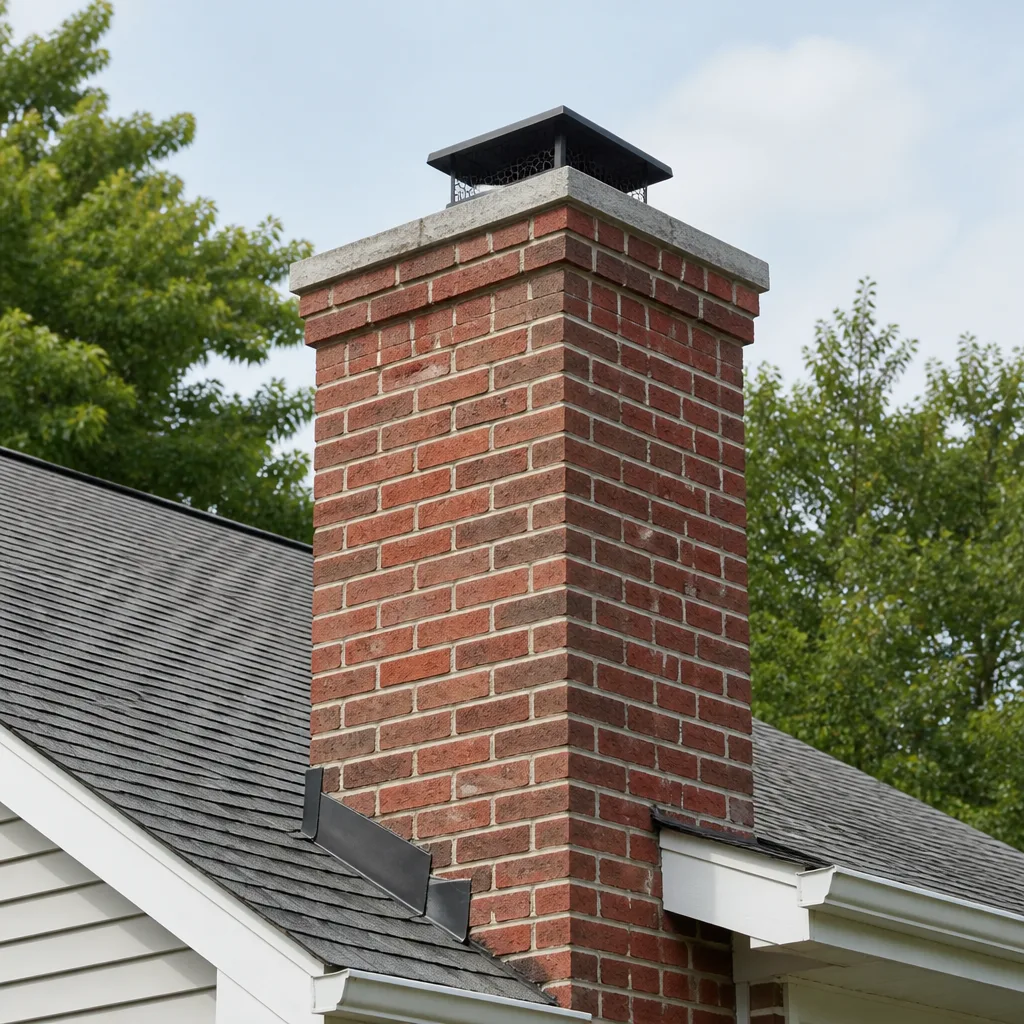 Masonry repair
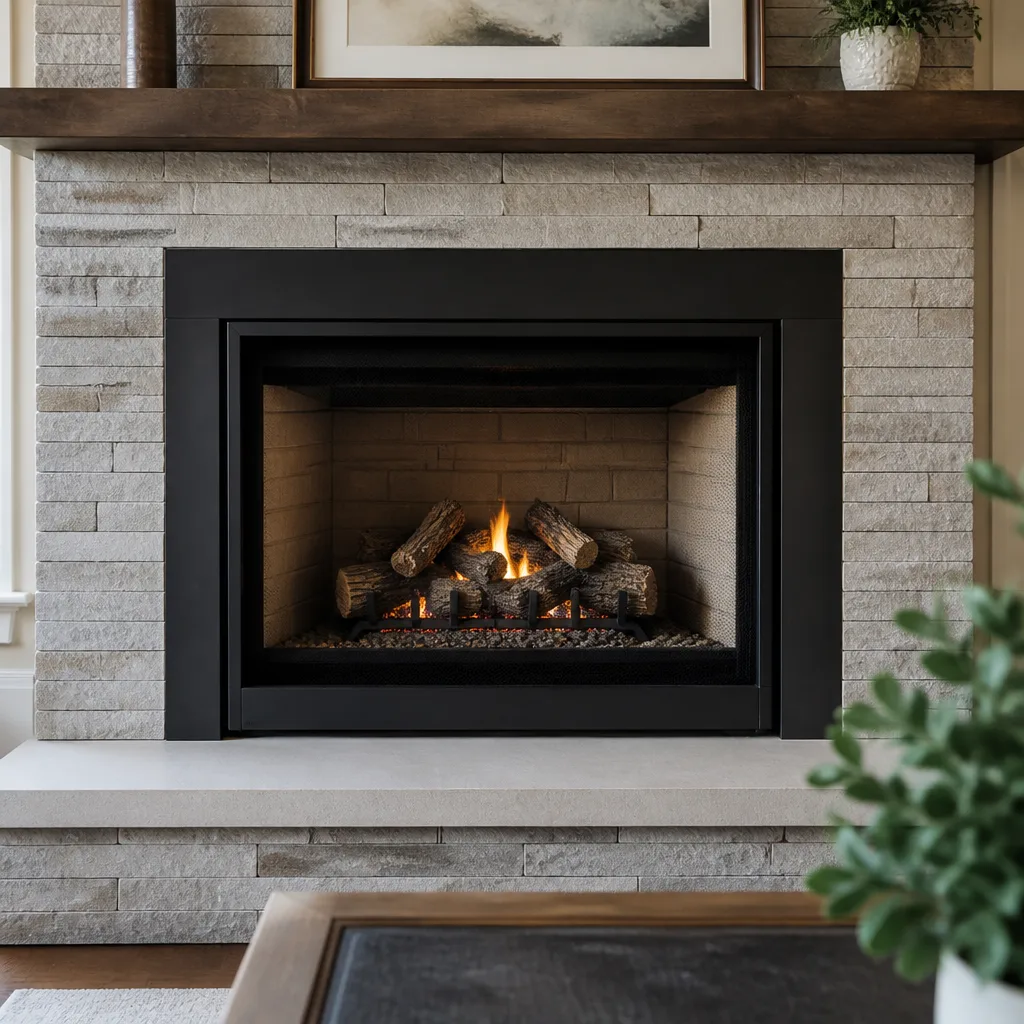 Gas fireplace service
Level 1 sweep and inspection to the NFPA 211 annual standard - flue, crown, cap, and flashing checked and photographed
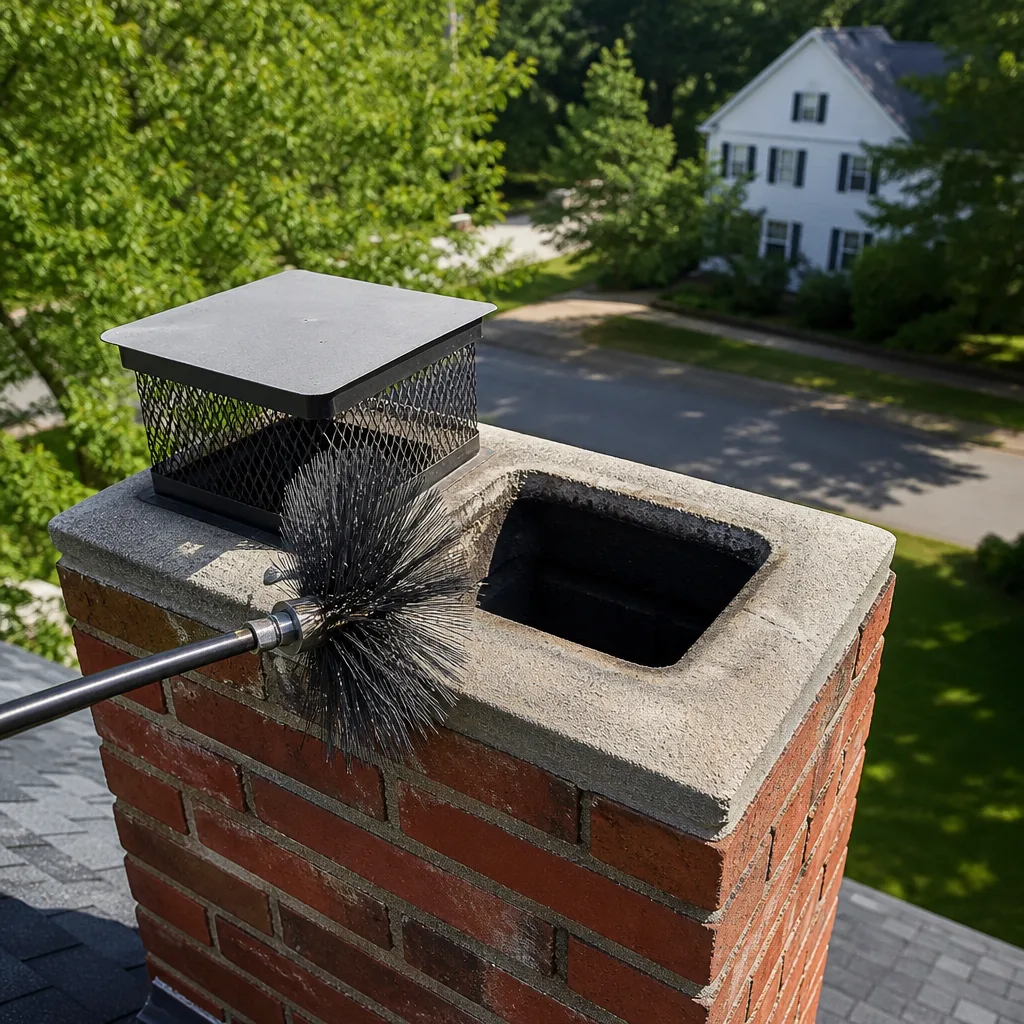
Chimney sweep logs do not sweep chimneys. They loosen some creosote - which then falls where a brush and vacuum still have to collect it.
Chimney Cleaning Emergency Preparedness Guide for Arvada Homes
Most homeowners assume a chimney fire announces itself with a roar. In our experience responding to calls around Arvada, the opposite is often true: a low rumble, a smell of hot metal, a faint crackling that sounds like ordinary draft noise. The people who mistake it for normal operation lose the window to respond safely, and the ones who know the signs walk away with a chimney they can still use. This guide is about those first thirty minutes. It covers how to recognize a chimney emergency, what to do in the right order, and how to prepare before you ever need to make the call. Every section is written for Arvada homes with wood-burning or gas fireplaces.
Quick Answer
In a chimney fire, close the damper if you can safely reach it, get everyone out of the house, and call 911 before anything else. After the fire is out, don’t burn again until a Level II inspection with a camera confirms the flue is sound. For carbon monoxide alarms, blocked flues, or an animal trapped in the chimney, call a chimney professional rather than opening the damper yourself. The worst outcomes come from waiting to see if it gets better.
Styles & brands we work with
- Sweep & inspection
- Caps & crowns
- Flue relining
- Masonry repair
- Gas fireplace service
Table of Contents
- How to recognize a chimney fire in progress
- What to do in the first five minutes
- What to do after a chimney fire
- Carbon monoxide and your chimney
- Animal intrusion: birds, squirrels, and blocked flues
- Pre-season emergency preparedness for Arvada homes
- Why Arvada homes face specific chimney risks
- What a dispatcher needs when you call
How to Recognize a Chimney Fire in Progress
A chimney fire can be loud or nearly silent. The loud version gets attention; the quiet one is the one that catches people off guard. Watch and listen for these signs, in roughly the order they tend to appear:
- Sound: A low rumble, a whooshing noise, or a rhythmic crackling that sounds like a distant freight train. Some fires make a faint tapping noise near the flue.
- Smell: A hot, sharp, metallic smell, or a sudden smoky odor inside a room that usually vents cleanly. An acrid burn smell following the normal wood smell is a red flag.
- Visible smoke: Dark smoke puffing from the top of the chimney, or smoke escaping into the room instead of up the flue.
- Creosote flakes: Pieces of black, crusty material landing on the roof or falling into the firebox. This often means the fire is dislodging built-up creosote from the flue walls.
- Heat: The chimney pipe, the mantel, or the wall near the chimney feels unusually hot to the touch. On a masonry chimney, the chimney block warms significantly.
- Spark shower: Visible sparks or flames at the top of the chimney.
A quiet chimney fire is often a smoldering creosote burn that never gets enough oxygen to roar. It still does damage to the flue lining, sometimes more than a noisy fire because the heat lingers against the walls. If any of the above sounds familiar but you’re not sure, treat it as real. Calling 911 for a chimney smolder that turns out to be nothing is a far better outcome than waiting on a fire that spreads into the attic. A trained professional from a chimney sweep team can assess the flue afterward either way.
What to Do in the First Five Minutes
The correct order matters as much as the individual steps. Do them in this sequence:
- Get everyone out of the house. This comes first, before the damper, before the phone. Move pets out with you. Standing in a room to watch a fire climb the flue is not worth the risk.
- Call 911 from outside. Give your address and tell the dispatcher you believe you have a chimney fire. Fire departments in Arvada and the surrounding area respond to these regularly.
- Close the damper if you’re still near it and it’s safe. If the fire is not yet in the room, closing the damper limits the oxygen feeding it. If flames are already in the firebox or smoke is heavy inside, skip this step and get out.
- If you have a wood stove, close the air controls. Do not open the stove door to look inside.
- If you can do it without entering the house, use a garden hose on the outside chimney cap. Only attempt this if the fire department is on the way and you are safely outside. A spray of water into the top of the chimney can knock down a flue fire while crews travel.
- Do not get back inside until the fire department says it’s safe. A chimney fire can spread into the attic or roof framing, and the outside of the chimney may cool while the framing is still hot.
Homeowners who wait to confirm it’s a real fire, or who run back inside for a phone or a pet, are the ones who get hurt. The fire doesn’t respect the delay. For the emergency itself, the correct call is always 911 first. Then call (888) 378-1823. We answer 24/7. A call outside dispatch hours is booked into the next opening, Sunday through Friday, 7am to 7pm.
What to Do After a Chimney Fire
A fire that looked minor can still leave the flue unusable. In our experience, the most dangerous situation after a chimney fire is a homeowner who fires the stove back up the next evening because nothing “looked wrong.”
A Level II inspection with a camera is non-negotiable after any chimney fire, even if the fire was small, even if there was no visible damage, and even if the fire department says things look okay from the outside. Here is why:
- Creosote can re-ignite. A partial burn of the creosote deposits leaves behind material that ignites more easily than before.
- Liner cracks are invisible from the firebox. High heat during a fire can crack a clay tile liner or distort a metal liner section. The crack does not always reach the point where it’s visible without a camera.
- Flue joints can separate. Sectional metal liners expand and contract under heat. A separated joint leaks combustion gases into the chimney wall cavity.
- Masonry can lose integrity. The mortar joints between clay tiles or brick can fail from the heat, even when the chimney looks intact from the outside.
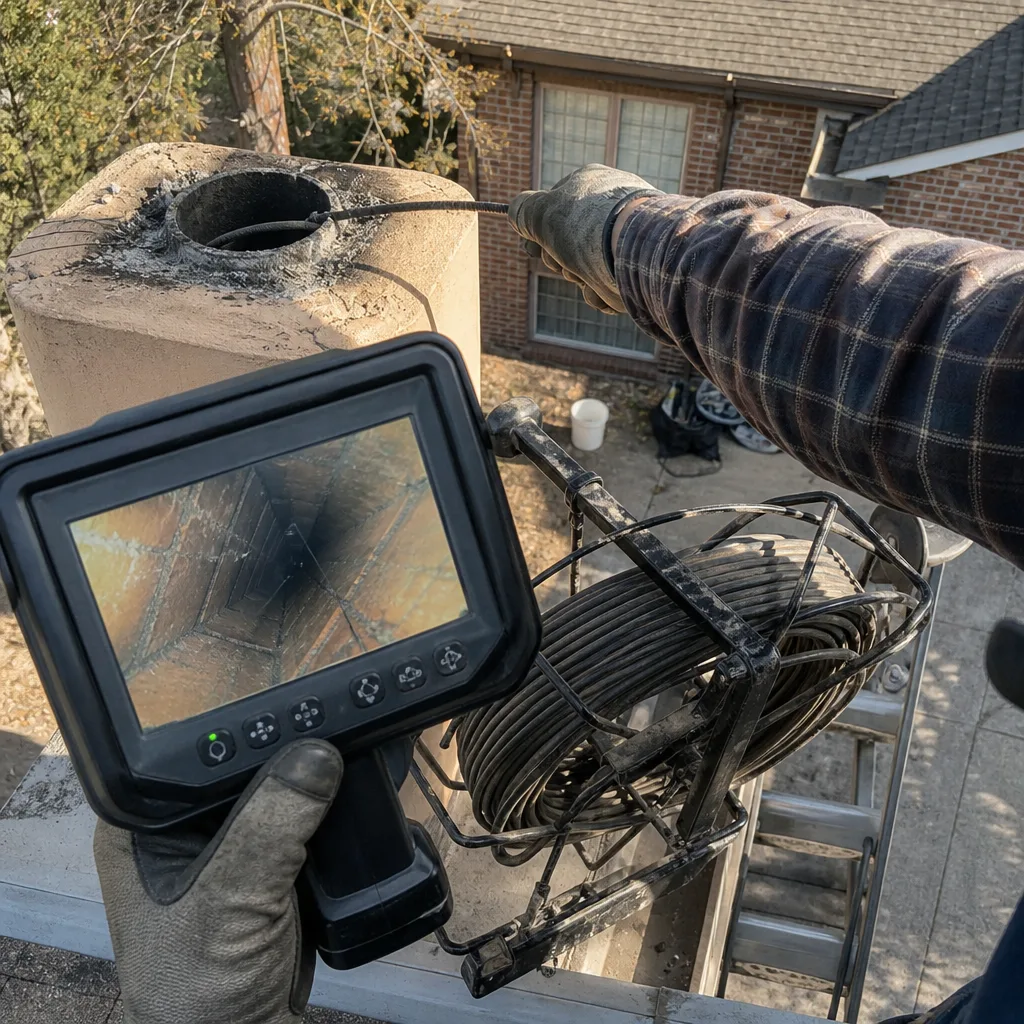
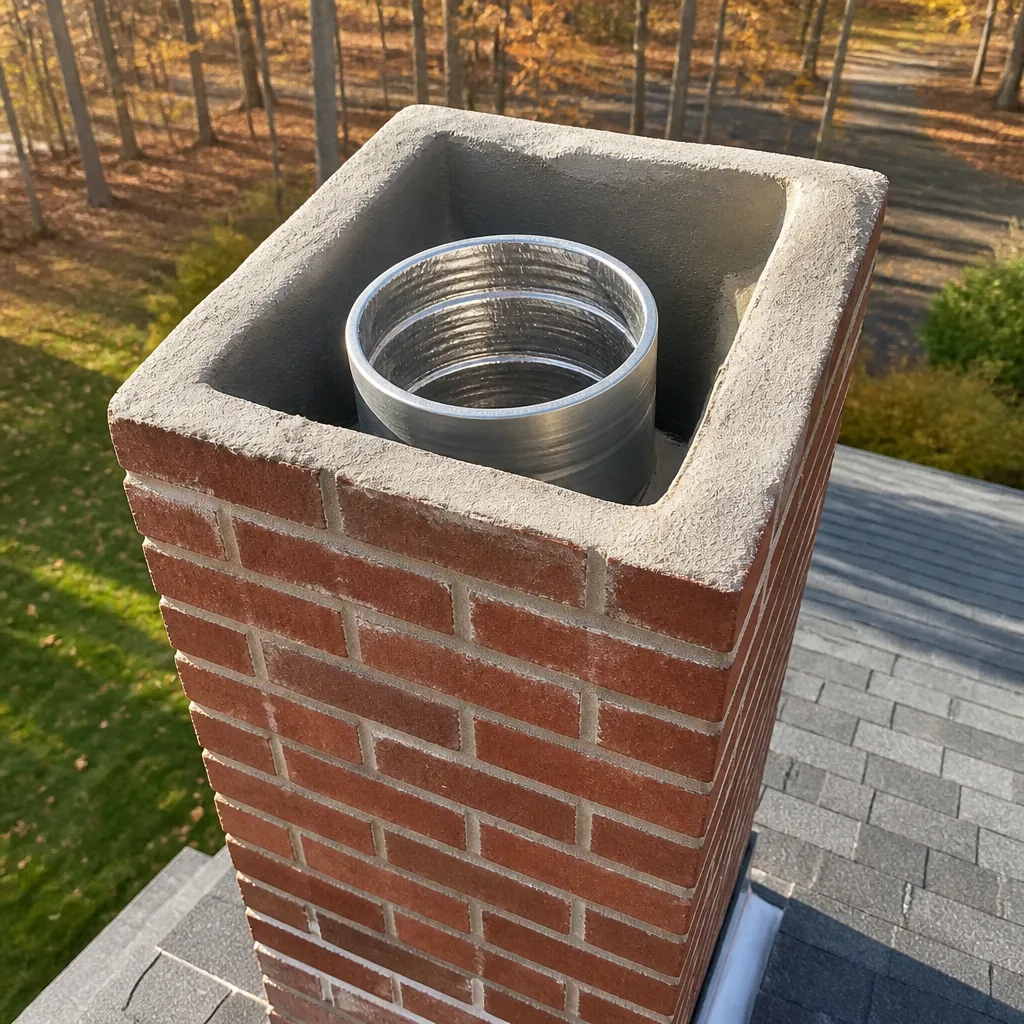
In Arvada’s older brick homes, the flue often has more than one liner tile, and one fire can compromise just one of them. A camera inspection shows what you’re looking at and lets us decide whether the chimney is in repair territory (relining with a DuraFlex liner, or resurfacing with HeatShield) or in replace territory. Either way, the inspection happens before the next burn, not after.
Inspection isn’t just paperwork. A proper look at the firebox, smoke chamber, damper, liner, and cap tells you what kind of shape your fireplace is really in. A full chimney repair evaluation also covers the crown and cap, since water gets in at those points after a fire has weakened the masonry.
Carbon Monoxide and Your Chimney
Carbon monoxide is the emergency with no visible warning, which is why it deserves its own section. A chimney that’s blocked, dirty, or damaged can’t vent combustion smoke and CO the way it’s supposed to, and the gas backs up into the house instead of rising out the top. The main scenarios where this happens:
- Creosote blockage. Built-up soot or a fallen creosote flake narrows or closes the flue. Smoke has nowhere to go but back into the room.
- Bird or animal nest. A nest in the flue or on top of the cap blocks the vent entirely, which is why you shouldn’t operate the fireplace if you suspect one.
- Damaged or disconnected flue liner. Combustion gases leak out through the crack before they reach the top.
- Negative pressure in the house. Newer, tight-sealed homes can pull air down the chimney, reversing the draft on the fireplace.
- Cracked heat exchanger on a gas fireplace. CO entering the room rather than going out the vent.
On CO detector placement, the smart spots are near sleeping areas and on every level of the home, including the basement if the fireplace is downstairs. Many homeowners assume CO detectors belong on the ceiling only; combination smoke/CO units and plug-in CO detectors both work, and the manufacturer’s installation instructions set the exact placement. Don’t put a CO detector directly above the fireplace where fireplace heat will interfere with its sensor. Test the detectors before every heating season. If a CO alarm goes off, get out first and call 911 from outside. Don’t open the damper or run a fan to try to clear it.
How a dirty flue causes CO intrusion
The mechanism is simple: your fireplace relies on an unobstructed flue to carry smoke and CO up and out. When soot, creosote, or debris narrows the flue, the gas can’t move fast enough, and the pressure tips the wrong way. On an especially cold Arvada evening, the house pulls harder against the chimney, and the problem compounds. This is why we recommend an annual sweep before the heating season starts, not after.
Animal Intrusion: Birds, Squirrels, and Blocked Flues
Every fall, we field calls from Arvada homeowners who hear scratching, flapping, or chirping in the chimney and think they’ve got a draft. In our experience, it’s very often a bird that came down the flue. Chimney swifts and sparrows are common, and squirrels can climb right down a chimney that lacks a proper cap.
The natural instinct is to open the damper and “let it out.” That’s usually the wrong move. Opening the damper from inside does three things that help the problem, not the animal:
- It lets the animal into the house. Once the damper is open, a panicked bird or squirrel often moves into the room. That turns a chimney call into a wildlife call, and a house evacuation on top of it.
- It can damage the liner. A bird with a broken wing or a frantic squirrel can claw and beat against the flue. In our experience, a metal liner handles it, but an older clay liner can crack.
- It’s often unnecessary. Professional removal uses the firebox access, a trap or net at the top of the chimney, and a camera, and it gets the animal out without a chase through your house.
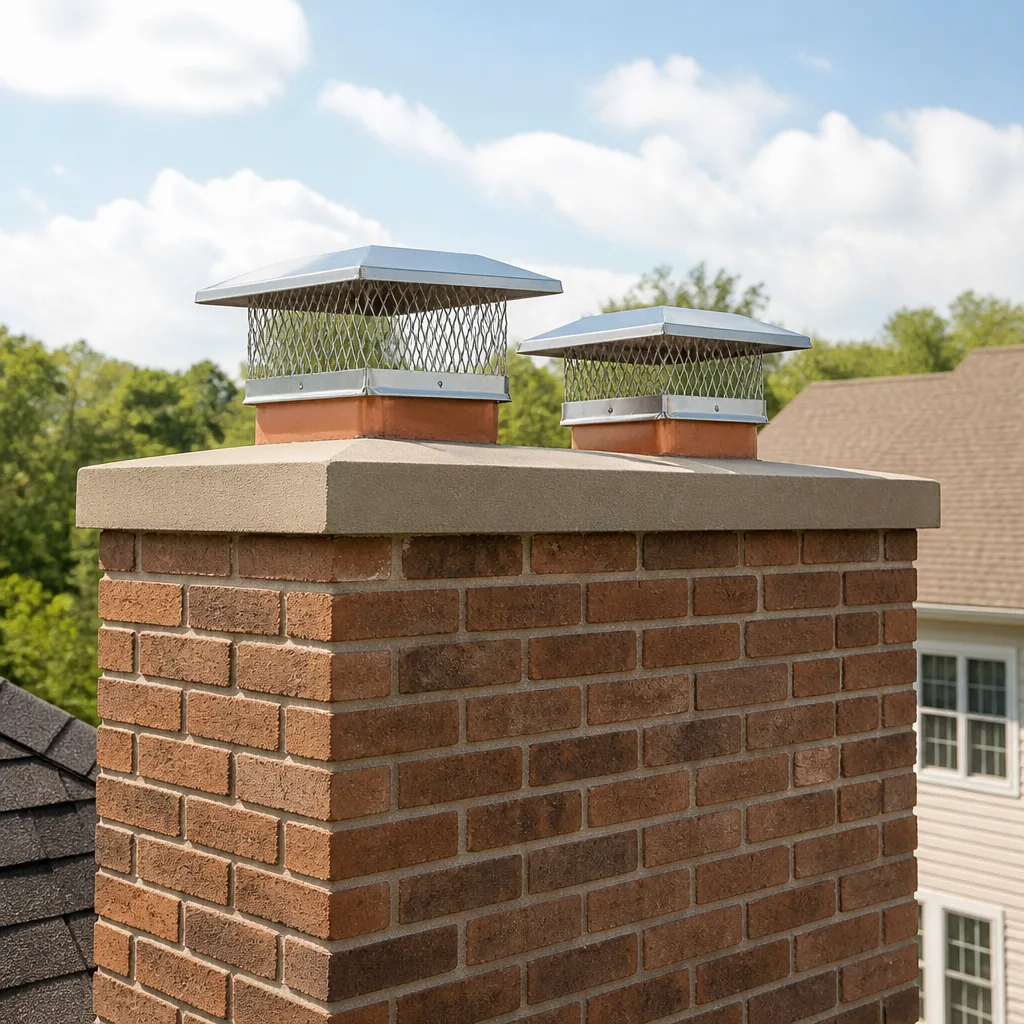
What to do instead: don’t run the fireplace until the flue is checked, protect the firebox area with a sheet or tarp if you can, and call us. We answer 24/7 at (888) 378-1823, with fast dispatch from 7am to 7pm. After the removal, a proper cap (we work with Gelco and Olympia Chimney products for caps and venting components) closes off the doorway so it doesn’t happen again. Caps and crowns are preventive work, and we treat them as their own service because water and wildlife are the top two reasons a chimney needs a chimney repair call.
Why opening the damper is usually the wrong first move
The animal came in through the top, and it will go out through the top if the chimney is opened the right way. Professional removal works from the roof side with proper containment. If you don’t have the equipment, calling a professional is the safer path than a house full of soot and a bird behind the bookcase.
Pre-Season Emergency Preparedness for Arvada Homes
Most of this guide is about what to do when something happens. This section is the part that keeps it from happening. It’s the checklist we’d hand to a neighbor:
- Schedule your annual sweep before the first cold snap. Book it for late summer or early fall. The first two weeks of burn season are the busiest, and getting on the schedule early means the flue is clean when you need it.
- Write down the date of your last inspection. Stick it inside a cabinet door or on the fireplace mantel. Knowing the last date tells the dispatcher exactly what information to trust.
- Keep the phone number for the chimney sweep and 911 in the same place. A sweep contact you can find without searching an email inbox saves minutes on an emergency call.
- Test the CO detectors and note the manufacturer’s replacement date. CO detectors have a service life; replace them on the schedule printed on the back.
- Have the chimney cap checked. A rusted or missing cap is the fastest way for water, birds, and debris to enter the flue.
- Learn where your damper handle is and how it operates. In a fire, you want to reach for it without hesitation. Open versus closed, and the direction the handle moves, both matter.
- Keep a fire extinguisher in the room with the fireplace. A standard ABC extinguisher, checked for pressure once a year.
- Know your house’s draft behavior. If the fireplace back-drafts on cold mornings or when the kitchen exhaust fan runs, tell your sweep. That’s a diagnostic clue to a draft issue.
Practicing the check once in the fall is enough. Two minutes of familiarizing yourself with the damper, the CO detector, and the sweep’s number pays off if you ever need it. For a full annual sweep and inspection, the Arvada Chimney Sweep Co team handles the full chimney system, from the firebox to the crown.
Why Arvada Homes Face Specific Chimney Risks
Arvada chimneys see a particular set of stress factors that most generic guides skip. A cold, dry winter with significant temperature swings puts a masonry chimney through repeated expansion and contraction. That cycle opens hairline cracks in mortar joints over time, and water gets in at the crown and cap. In our experience, this is where most Arvada chimney repair starts: a cracked crown and a rusted cap that should have been replaced long before the masonry inside was affected.
The housing stock matters too. Arvada has a mix of older brick ranches and newer builds with high-efficiency gas fireplaces. The older masonry chimneys need annual sweeping because wood-burning produces creosote; the newer gas fireplaces need annual inspection because their venting has its own failure modes. Both types need someone looking at them at least once a year.
The foothill wind upslope is another factor. Cold air draining down from the foothills in the evening can create negative pressure in the house, and a fireplace that drafts fine during the day can back-draft at dusk. That doesn’t mean the chimney is broken. It means the pressure balance is off, and a sweep can diagnose it in one visit.
A cap and crown check costs a fraction of what a masonry repair runs, and it’s the single best defense against water intrusion. We work with professional-grade components from Olympia Chimney and Gelco for caps and venting, so the cap isn’t the wrong size or the wrong material for the job. If you’ve never had the crown looked at, the pre-season sweep is the right time. The local pro we connect you with is licensed and insured as their state requires, and the chimney and fireplace repair work are handled by the same team so you’re not handing the job to a second contractor mid-project.
What a Dispatcher Needs When You Call
When something is going wrong, the information you give at the start of the call shapes how fast the crew is on its way. Here’s the list:
- Your full address, including the nearest cross street. Arvada has distinct subdivisions, and knowing the cross street speeds up routing.
- What you’re seeing or smelling. Smoke, smell, sound, sparks, or an animal in the flue. Say what’s actually there, not what you think it is.
- Whether the fire is currently burning or was put out. Both situations need the same inspection, but the urgency differs.
- The date of your last sweep or inspection. Tell us even if it’s “I don’t remember.” That’s useful information.
- Whether anyone in the house has symptoms. Headache, dizziness, nausea, or confusion with a running fireplace or gas appliance means get everyone outside and call 911 first.
- The type of chimney. Masonry or prefab, wood-burning or gas. Look in the firebox if you don’t know; the metal walls of a prefab are visible.
If you’re not sure, describe what you can see and answer the questions the dispatcher asks. The best callers don’t have all the answers. They just get out of the house and describe what’s happening. We answer 24/7 at (888) 378-1823. Fast dispatch is 7am to 7pm, Sunday through Friday.
Common Mistakes to Avoid
- Waiting to confirm it’s a real chimney fire. If you smell hot metal or hear a rumble, treat it as real. A quiet fire that never roars still damages the flue.
- Running back inside for valuables. Chimney fires can spread into the attic and roof framing while the outside looks fine. Firefighters are trained for this. You’re not.
- Opening the damper when an animal is trapped. That lets the animal into the room. It also risks a liner crack if the animal panics. Call for professional removal instead.
- Skipping the post-fire inspection because nothing “looked wrong.” A Level II camera inspection is the only way to know whether the flue is intact, and it’s not optional after any chimney fire.
- Assuming a working smoke detector covers CO. It doesn’t. Carbon monoxide is odorless and colorless, and it needs its own detector on every level of the home.
- Going years without a sweep because the fireplace gets light use. Creosote builds up regardless of how often you burn. The flue doesn’t know the difference between daily fires and weekend fires for the purposes of annual inspection.
- Closing the damper too early on a fresh fire. In Arvada’s colder months, a closed damper and a smoldering fire can add combustion byproducts to the home faster than the flue vents them.
See the difference
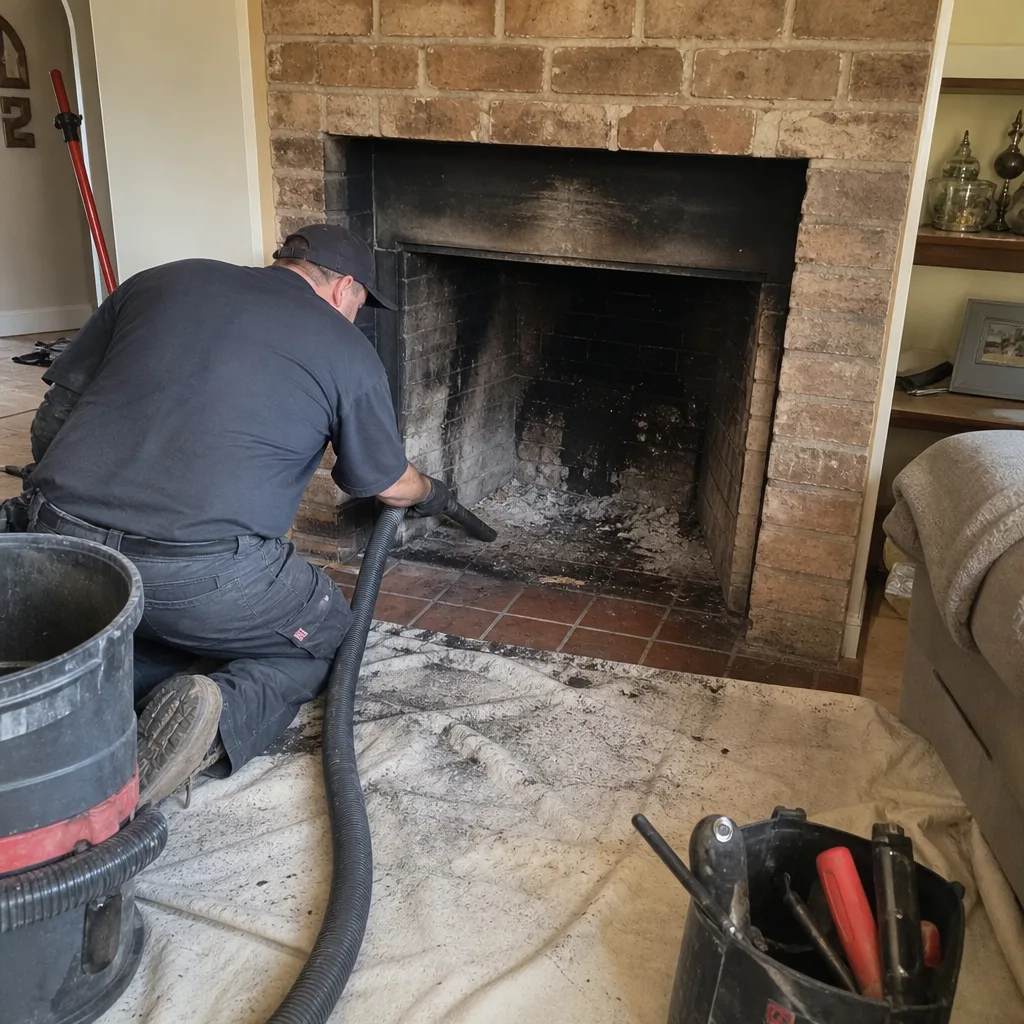 Before
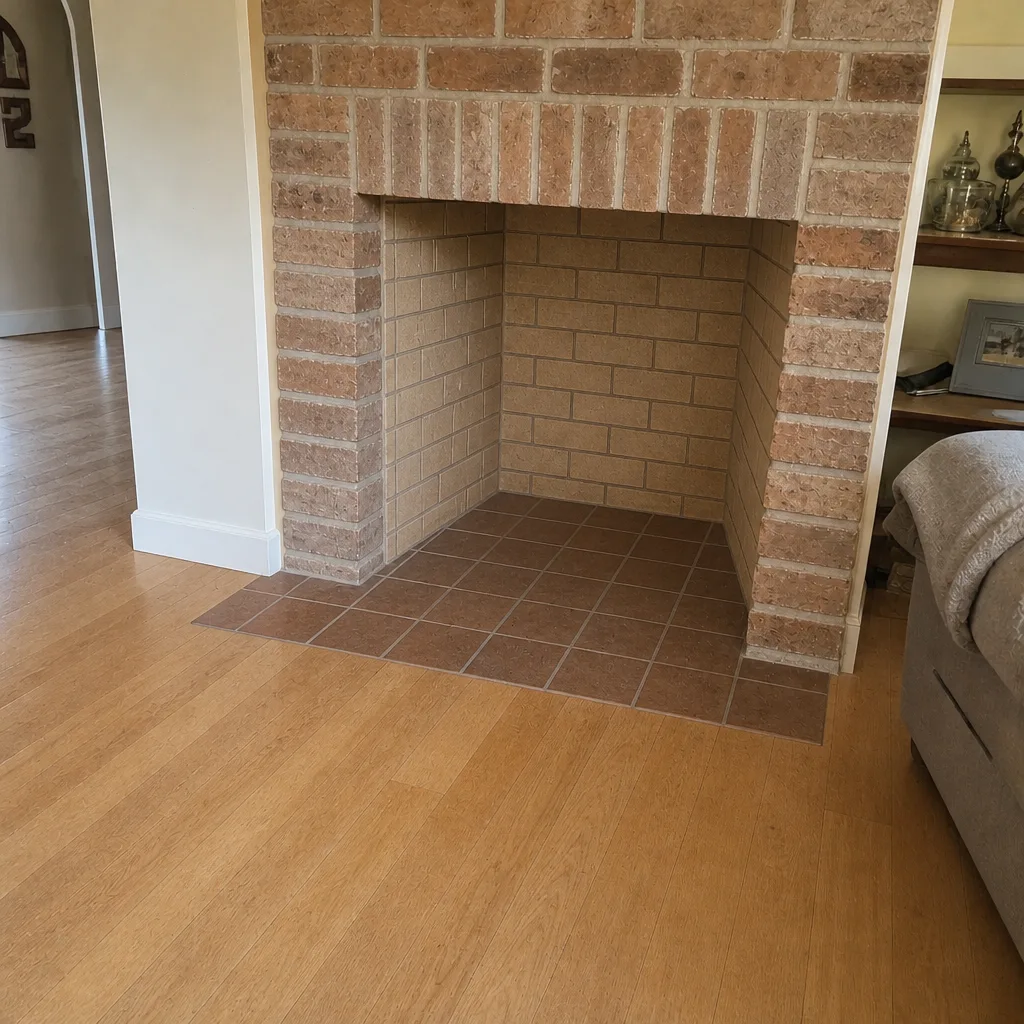 After
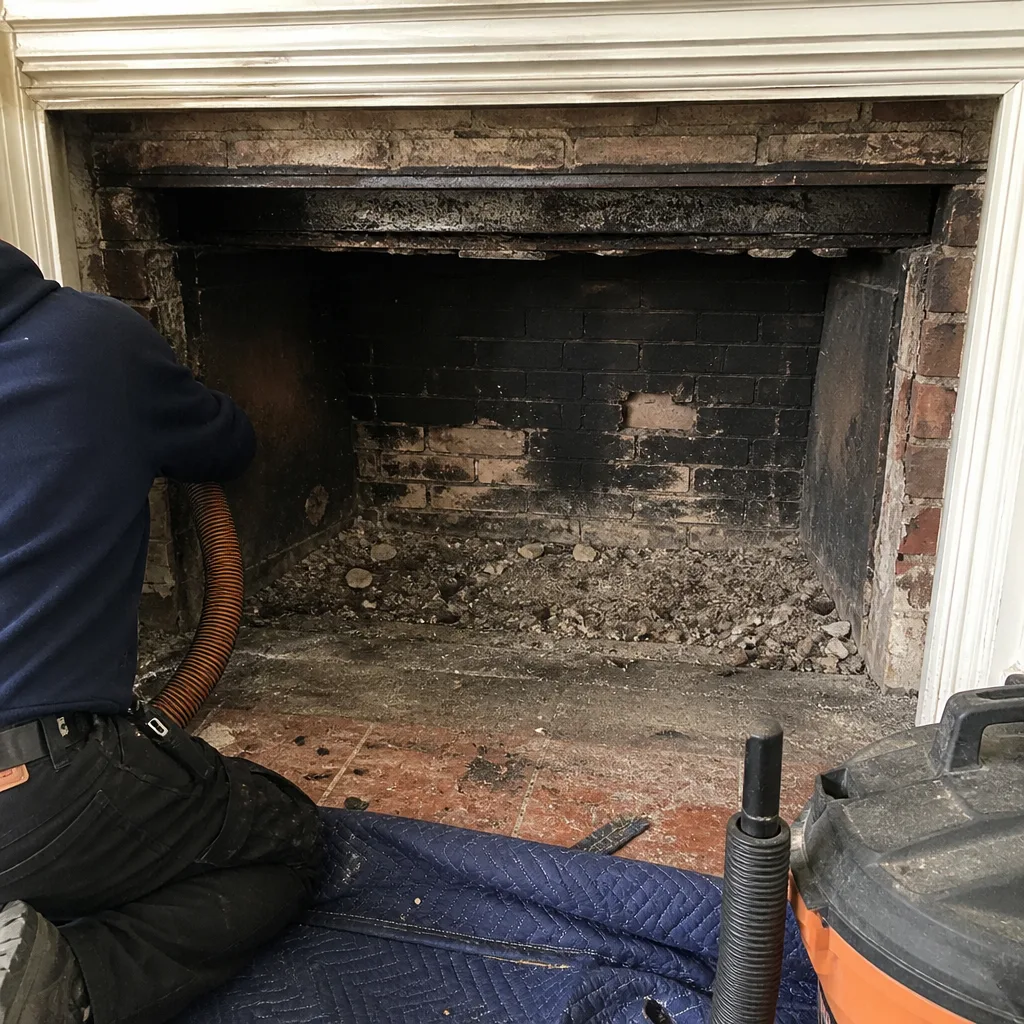 Before
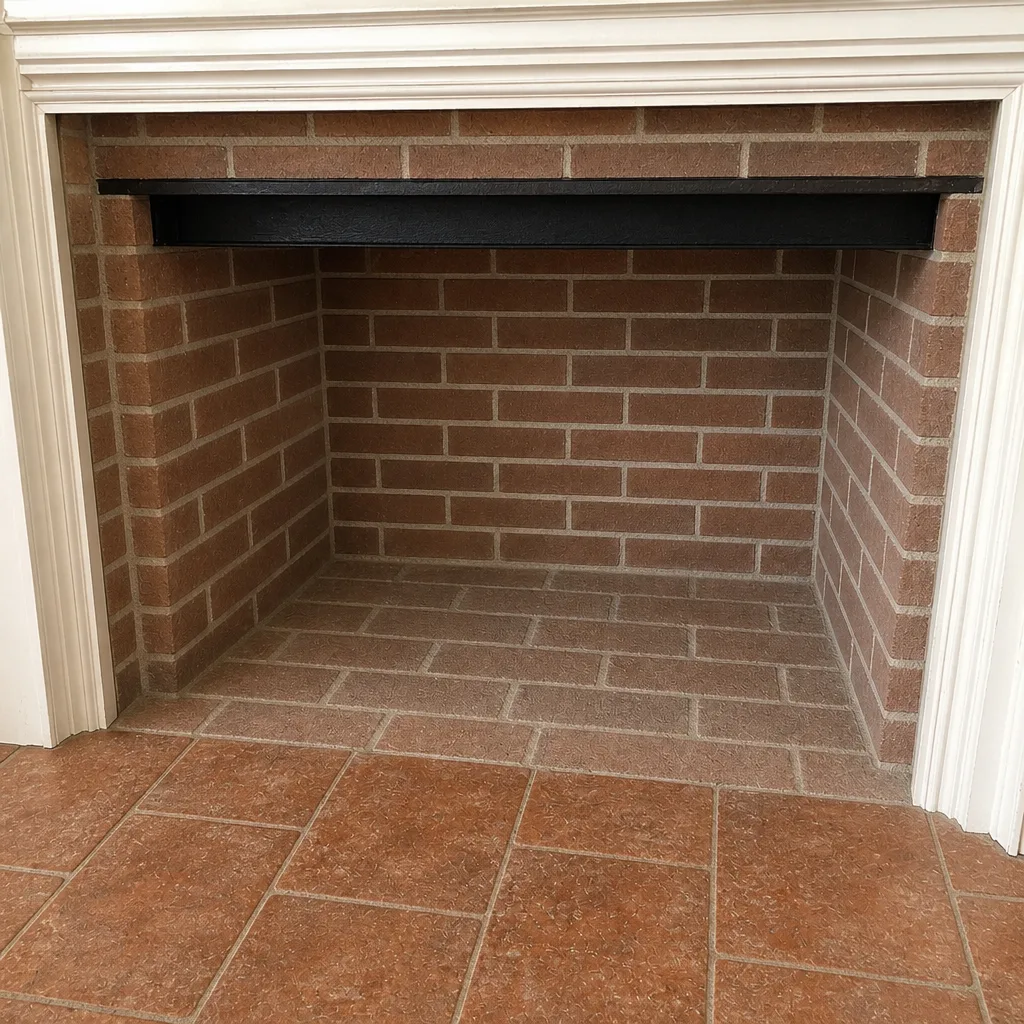 After
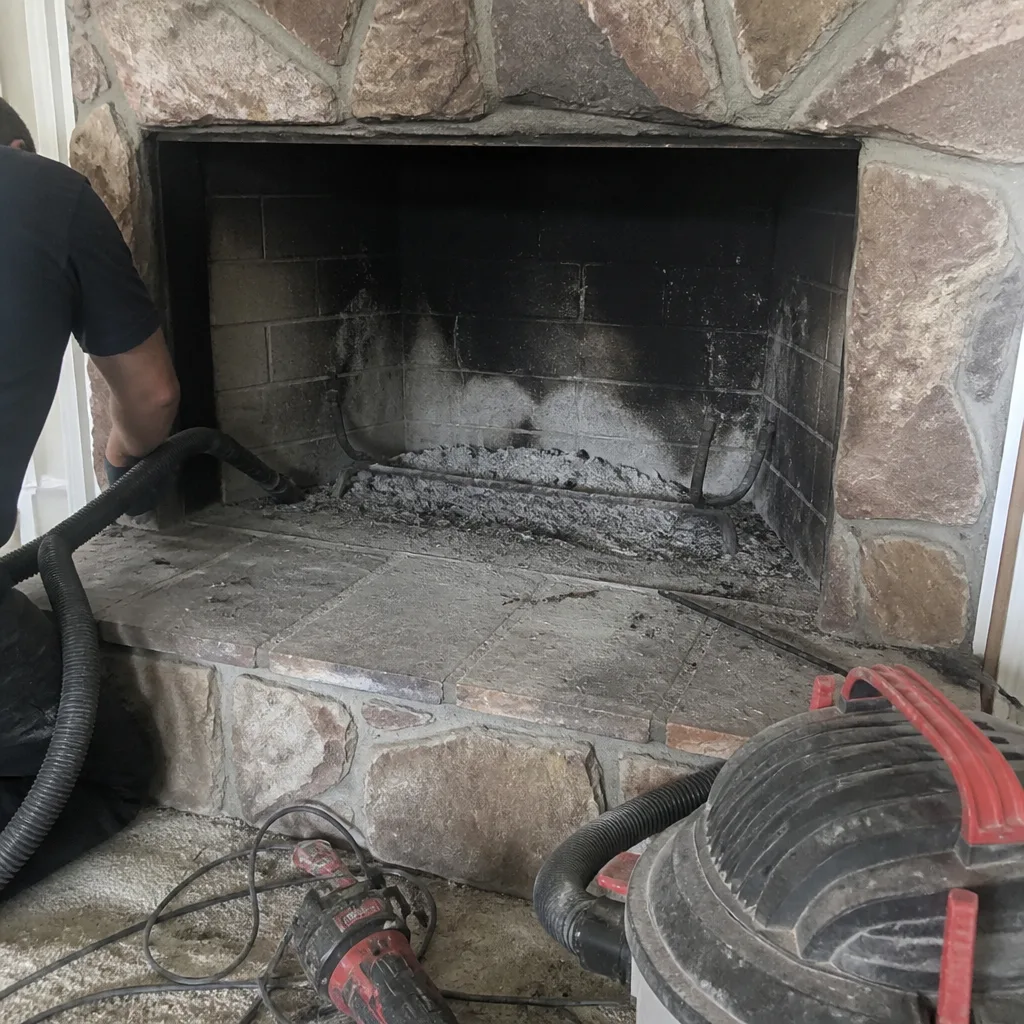 Before
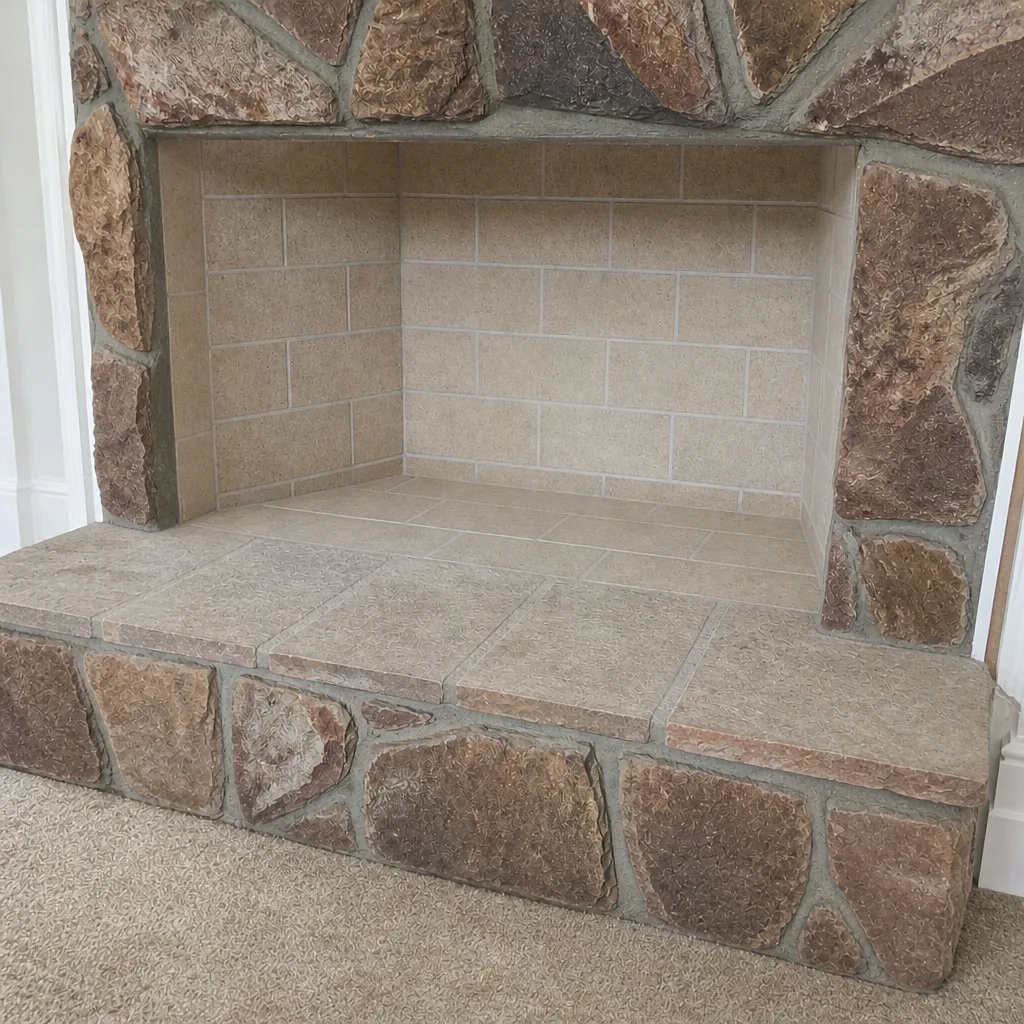 After
When to Call a Professional
Call a professional immediately if you smell hot metal or smoke inside the house during a fire, if your CO detector is sounding, if an animal is in the flue, or if the inside of the firebox shows cracks, gaps, or pieces falling loose. A fire department response is the right move for anything burning; a sweep handles the diagnosis and repair afterward. If you’re not in an emergency but your chimney hasn’t been swept since before last winter, call to schedule a pre-season inspection. Arvada Chimney Sweep Co offers free estimates in Arvada. Call (888) 378-1823. We answer 24/7. Fast dispatch from 7am to 7pm, Sunday through Friday. Our technicians have up to 12 years of experience, and the written estimate sets the final price on any work we recommend.
Frequently Asked Questions
A chimney fire can sound like a low rumble, a whoosh, or a crackling metal noise, and it often smells like hot metal or sharp smoke. If you heard or smelled any of these during a burn, treat it as a chimney fire and don’t use the fireplace again until a Level II inspection with a camera confirms the flue is sound. Call (888) 378-1823 for an exact quote on the inspection; estimates are free.
Yes. A camera inspection is the only way to confirm whether the flue liner cracked, the joints separated, or creosote was re-ignited by the fire, and none of those show from the firebox. A minor fire that leaves no visible damage can still leave the flue unsafe for the next burn. Call (888) 378-1823 to book an inspection.
Creosote builds up on the flue walls and reduces the flue’s ability to vent, which raises the risk of a chimney fire and can also raise the risk of carbon monoxide backing into the home. Animals find uncapped flues more easily, and small cracks in the crown go unnoticed until they’ve become water intrusion and masonry damage. Call (888) 378-1823 to schedule a sweep.
Yes, when the buildup or a blockage narrows the flue enough to stop combustion gases from rising, the CO backs into the room instead of venting. Common scenarios include heavy creosote, a bird nest, a cracked liner, and a house with negative pressure that pulls air down the flue. If a CO detector sounds, get everyone out and call 911 first.
Yes. Creosote accumulation depends on how much and what you burn, not just how often, and one cold weekend can leave deposits that the flue doesn’t clear on its own. Annual inspection catches liner damage, crown cracks, and cap rust regardless of how light the use was. Call (888) 378-1823 to schedule a sweep in Arvada.
An inspection after a chimney fire is quoted per job, and the written estimate sets the final price before any work begins. The best way to get an exact number is to call with the description of what happened and the date of your last inspection. Call (888) 378-1823 for an exact quote; estimates are free.
The Bottom Line
Chimney emergencies are not loud affairs. The dangerous ones look small: a low rumble, a faint smell, an animal flapping in the flue, a carbon monoxide detector chirping on a cold evening. The right response in the first five minutes is to get everyone out and call 911 for anything burning, then call a sweep for the diagnosis afterward. The right response before anything happens is an annual sweep and inspection, a working cap, and a chimney’s last inspection date written down where you can find it. Arvada homes get cold winters and a foothill wind that stresses chimney draft, and the preparation matters because the diagnosis afterward is easier. We answer 24/7 at (888) 378-1823. Fast dispatch, 7am to 7pm, Sunday through Friday.
Written by the team at Arvada Chimney Sweep Co.