
Last updated November 23, 2026
 Sweep & inspection
 Caps & crowns
 Flue relining
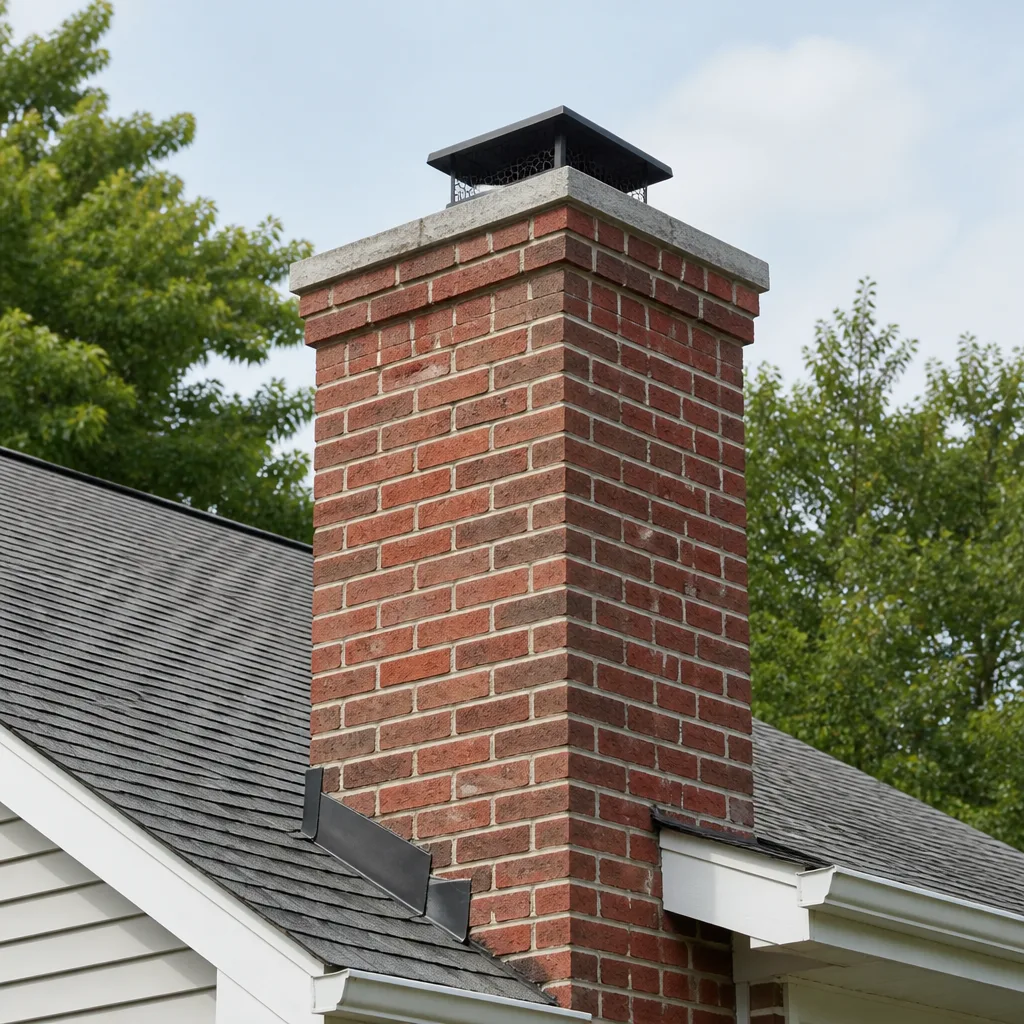 Masonry repair
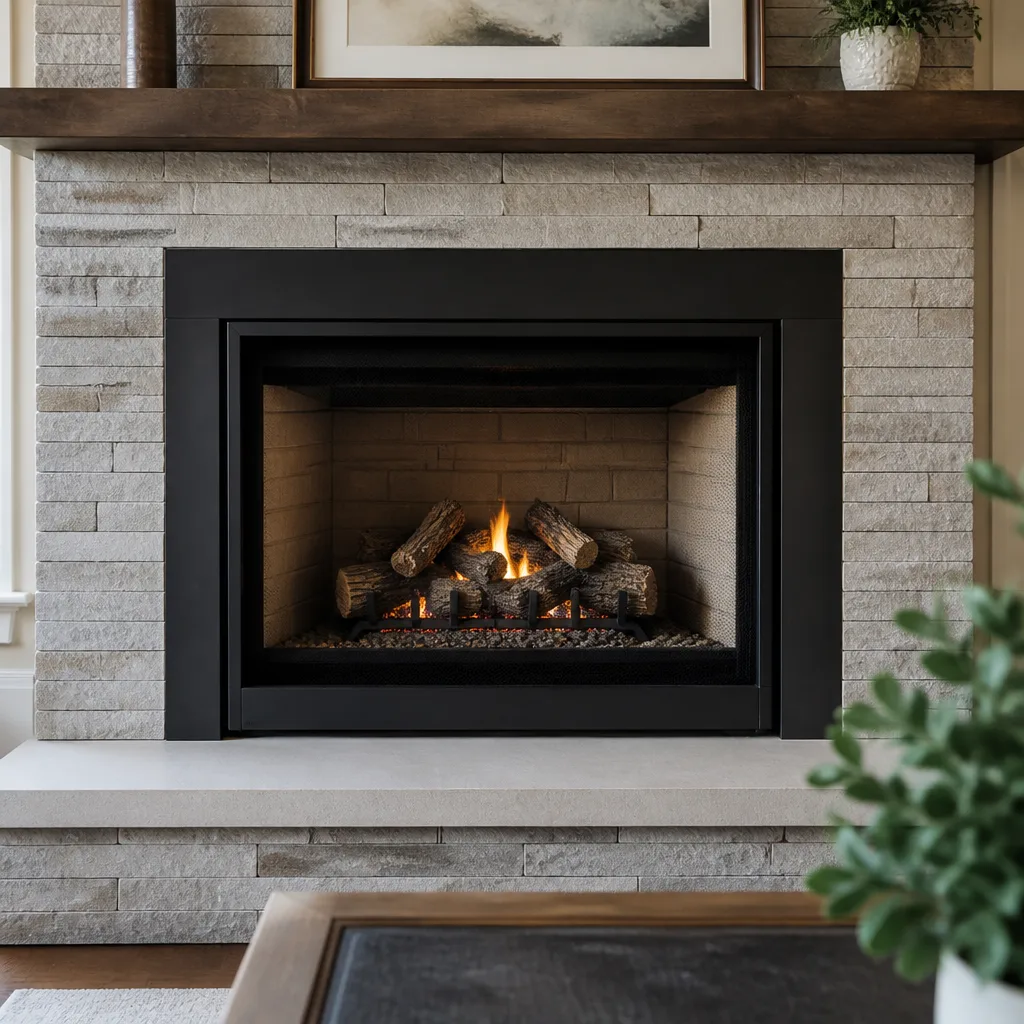 Gas fireplace service
Level 1 sweep and inspection to the NFPA 211 annual standard - flue, crown, cap, and flashing checked and photographed
Chimney sweep logs do not sweep chimneys. They loosen some creosote - which then falls where a brush and vacuum still have to collect it.
The Complete Guide to Chimney Cleaning in Arvada
At 5,350 feet, Arvada’s fireplaces don’t burn like fireplaces at sea level. Thinner air means less oxygen per cubic foot, and less oxygen means incomplete combustion – which lays down creosote faster than the national “once a year” rule assumes. Add the cold-start fires that Colorado’s shoulder seasons demand, when a chimney is still cold and the draft is weak, and you get a system that loads up more quickly than most homeowners expect. This guide covers what chimney cleaning in Arvada actually involves: how to read creosote stages, what separates a Level I inspection from a Level II, what professional rotary equipment removes that a wire brush can’t, and how to tell which findings in a sweep report should trigger repair now versus a follow-up next season.
Quick Answer
Chimney cleaning in Arvada is a sweep plus a visual inspection, and for most wood-burning fireplaces here it’s needed once a year – often before the first sustained burn of the season. If you’ve burned more than a cord of wood, noticed a glazed or hardened deposit on the flue walls, or moved into a home with an unknown service history, book a sweep with a camera-assisted inspection rather than a basic brush-out. In Arvada’s altitude and burn patterns, a standard annual sweep is the floor of what you need, not always the ceiling.
Styles & brands we work with
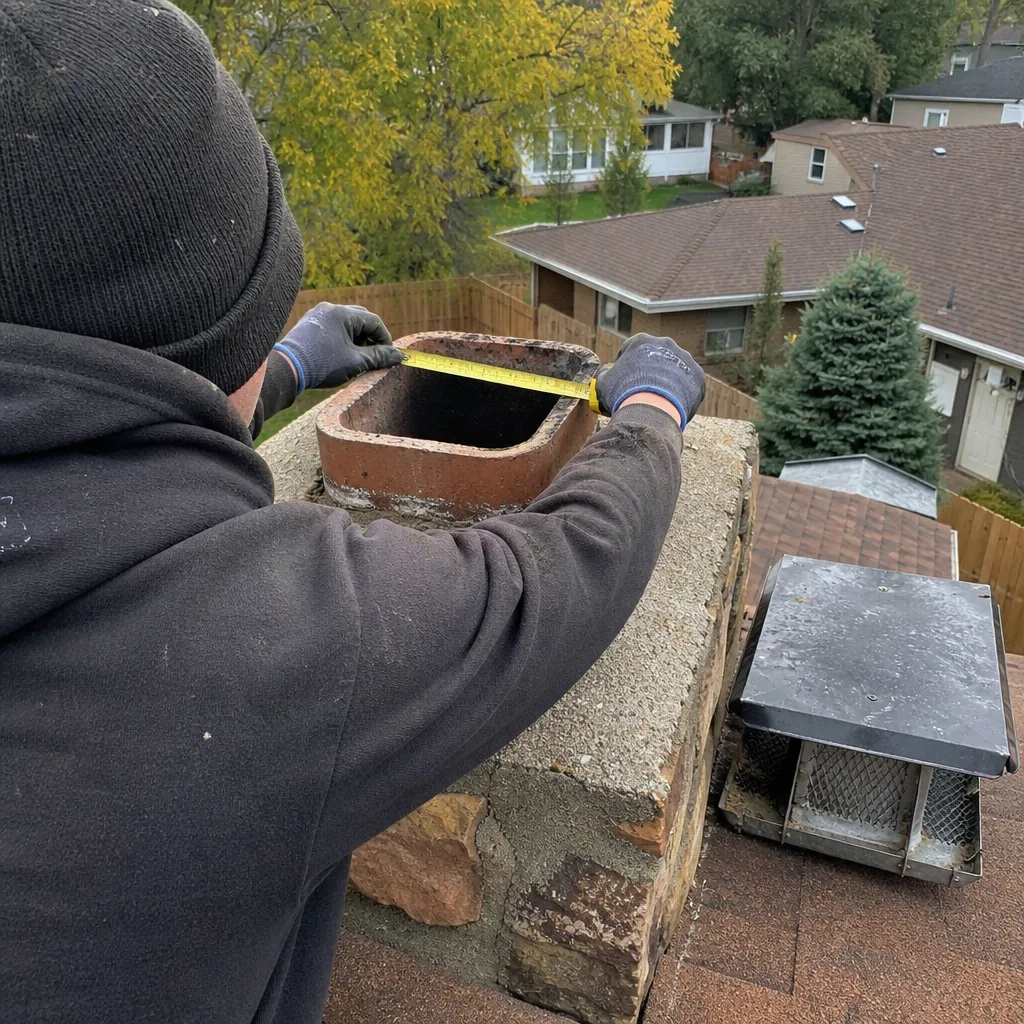
- Sweep & inspection
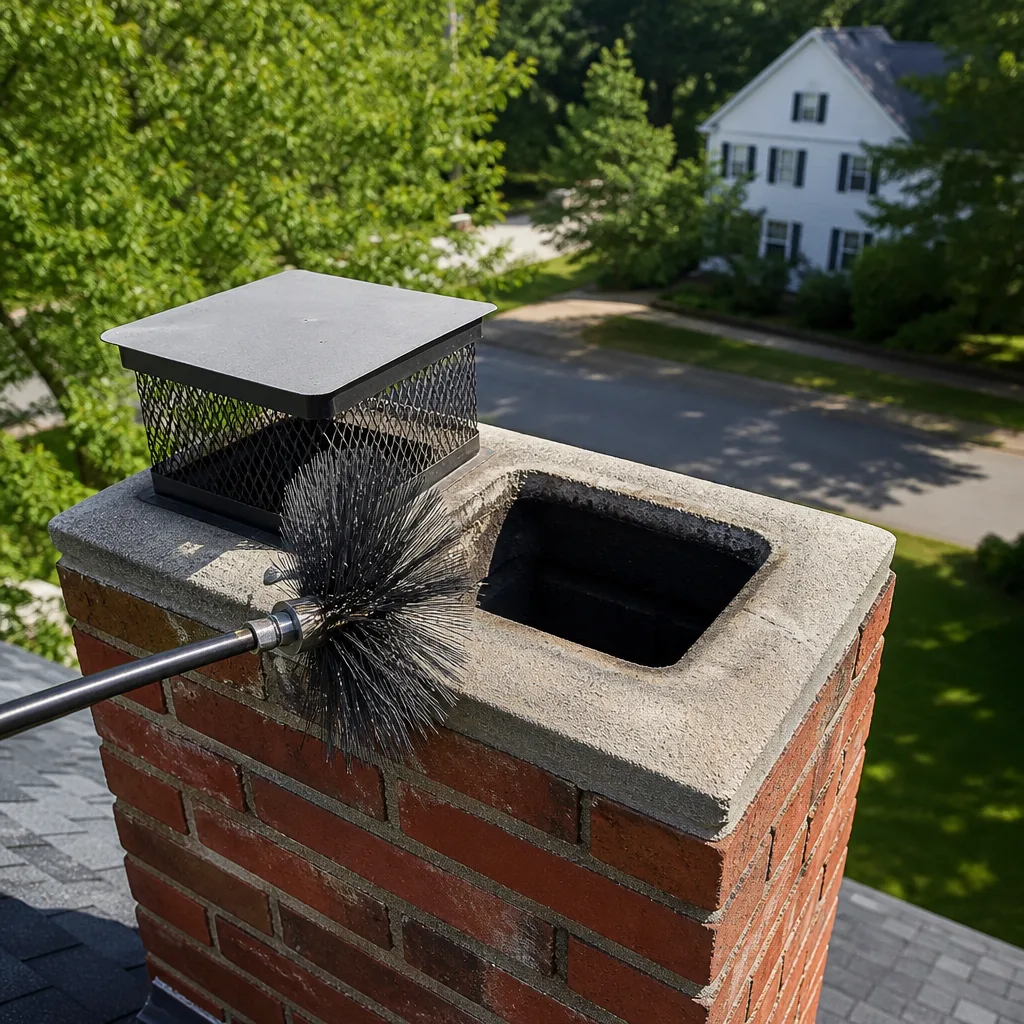
- Caps & crowns
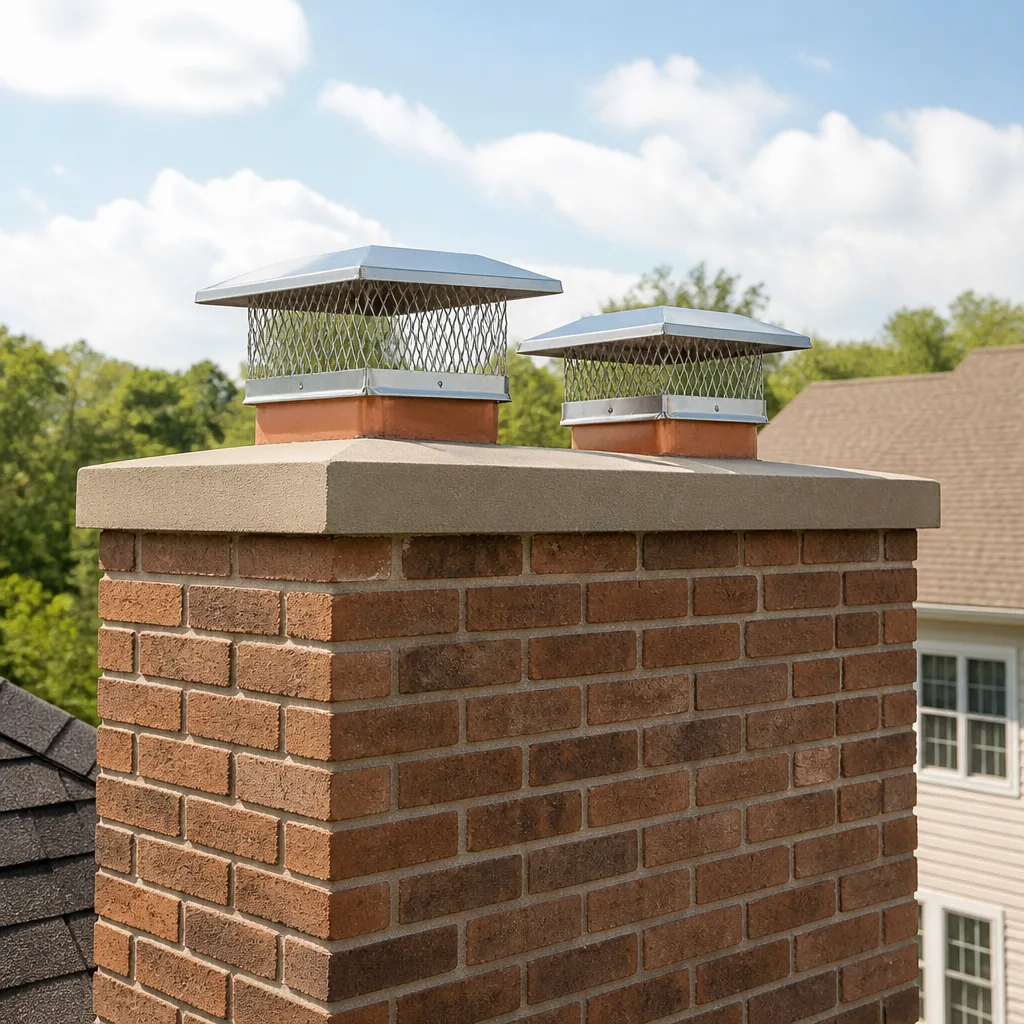
- Flue relining
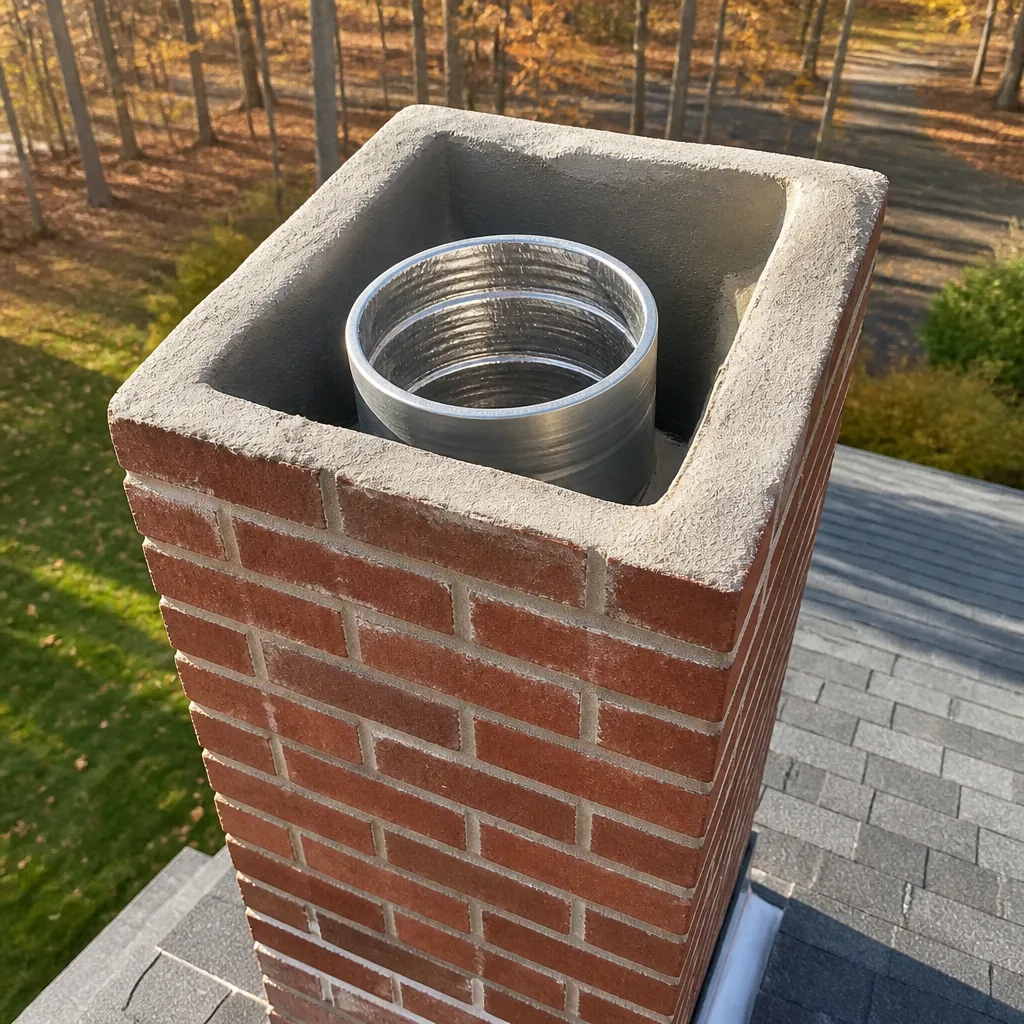
- Masonry repair
- Gas fireplace service
Table of Contents
- Why Arvada Chimneys Load Up Faster Than National Guides Suggest
- Creosote Stages: What They Are and Why the Stage Matters
- CSIA Inspection Levels: Level I, II, and III Explained
- What Professional Rotary Equipment Removes That Brushes Cannot
- How to Read Your Post-Cleaning Report
- Arvada Neighborhoods Where Chimney Age Changes the Schedule
- Seasonal Timing: When to Book in Arvada
- Common Mistakes to Avoid
Why Arvada Chimneys Load Up Faster Than National Guides Suggest
Combustion is a chemistry problem before it’s a chimney problem. Wood needs roughly three things in balance to burn clean: heat, fuel, and oxygen. At 5,350 feet, the air is thinner – there’s simply less oxygen in every cubic foot entering the firebox. The result is a fire that runs cooler and smolders longer than the same fire at lower elevation, and cooler, slower fires leave more unburned material on the flue walls.
Arvada’s burn culture compounds this. Most local fireplaces are used the way Colorado fireplaces are used: hard, early, and often in the shoulder seasons of October and November, when nighttime temperatures drop below freezing but daytime highs stay warm. Those are cold-start conditions. A fire lit into a cold flue has a weak draft until the chimney warms, and during that warm-up period the smoke lingers in the firebox and cools on the flue walls. Do that enough times and you’ve built a creosote layer before the real burning season even starts.
That’s the gap in the standard national advice. A chimney in a sea-level city burning dry hardwood in a well-drafted flue can often stretch a sweep to 18 months. A chimney in Arvada, used hard through October and November cold starts and burning through a Colorado winter, is a different equation. The safe assumption here is annual. That’s the number to plan around.
Local climate adds one more variable. Arvada sits in a semi-arid band where daytime swings are wide. Masonry chimneys expand and cool every day through the shoulder months, and older mortar joints don’t love that. It’s why the condition of older Arvada masonry – the crown, the flashing, the mortar at the smoke chamber – is a bigger concern here than in more temperate regions. A sweep is the right time to catch those issues, not a separate call months later.
Creosote Stages: What They Are and Why the Stage Matters
Creosote isn’t one substance. It’s a family of deposits that form in three distinguishable stages, and the stage dictates what kind of cleaning is possible and how urgently it should happen.
- Stage 1 – Soot and light flake. This is the fresh deposit from a reasonably hot, reasonably well-drafted fire. It’s powdery, dusty, and comes off with standard brushes. Most chimneys serviced annually stay in or near this territory.
- Stage 2 – Crusty, hardened deposit. As stage 1 deposits sit and get reheated, they fuse into a crust. Stage 2 creosote clings to flue walls, comes off in chips or flakes, and often won’t yield to a simple brush pass. It’s the most common finding in Arvada homes that have skipped a season or two, particularly after heavy cold-start use.
- Stage 3 – Glazed, tarry, hardened. Reheated enough times, the deposit becomes a glossy, fuel-rich coating fused to the flue. It’s dense, it’s stubborn, and it’s the stage that most closely correlates with chimney fire risk. Stage 3 typically needs rotary mechanical cleaning and sometimes a dedicated chemical treatment – it does not come off with a brush pass.
Altitude matters here because cold-start fires produce more stage 1 material per burn, and more stage 1 material means more raw stock to fuse into stage 2 the next time the chimney heats up. Two seasons of high-volume Arvada burning won’t necessarily create stage 3, but it can absolutely create a solid stage 2 crust that a brush pass leaves half-intact.
Why this is worth knowing before you call: it sets expectations for what a sweep should charge and how long it should take. A stage 1 sweep is a straightforward once-over. A stage 2 or stage 3 cleaning takes longer, uses different equipment, and often reveals something in the inspection worth discussing. If a company quotes a single flat rate for every chimney regardless of stage, ask what happens if the flue turns out to be stage 2 or worse.
CSIA Inspection Levels: Level I, II, and III Explained
The Chimney Safety Institute of America (CSIA) defines three inspection levels, and picking the right one is less about definitions and more about what triggered the inspection in the first place.
Level I Inspection
A Level I is a visual check of all readily accessible portions of the chimney and venting system, done with basic hand tools – typically a flashlight and mirror, sometimes a camera. It’s what accompanies a routine annual sweep in a home with a known service history, no changes to the system, and no reason to suspect a problem. If your fireplace has been serviced annually and nothing has changed, this is the appropriate level.
Level II Inspection
Level II adds a video scan of the internal flue. It’s the right call in several specific trigger scenarios:
- You’ve moved into a home and don’t know the last time the chimney was serviced.
- You’ve changed the appliance – added an insert, switched to a gas log set, replaced a wood stove.
- You’ve had a chimney fire, even a small one you think you caught early.
- You’ve had a structural event nearby – an earthquake, a roof replacement, significant settling.
- You’re buying or selling a home and need documentation of the chimney’s condition.
- You’ve noticed a change in performance: smoke rolling into the room, weaker draft, an unfamiliar smell.
For Arvada homeowners moving into older properties, Level II is almost always the right starting point. A camera-assisted inspection is also what makes the difference between “your liner looks okay” and “your liner has a crack at the 6-foot mark that’s worth sealing” – and it’s the only way to see the interior of an offset or an older liner at all.
Level III Inspection
Level III is diagnostic and can be destructive. It’s reserved for cases where a serious hidden problem is suspected and the only way to confirm it is to open up portions of the chimney or adjacent structure. This is uncommon in routine residential work, but it comes up after a confirmed chimney fire, after a partial collapse, or when a Level II scan shows a defect that can’t be fully characterized without taking something apart. A sweep should tell you clearly when they’re recommending a Level III and why.
What Professional Rotary Equipment Removes That Brushes Cannot
The wire brush on a rod is the trade’s oldest tool, and it still does honest work on stage 1 soot. It’s also the tool that gives people a false sense of a clean chimney, because a brush pass can knock down a top layer of deposit while leaving a hardened crust of stage 2 or 3 creosote intact on the flue wall.
Professional rotary cleaning uses a powered spinning head – a whip, a loop, or a chain depending on the flue type and deposit – that abrades the deposit off the wall rather than sweeping past it. The difference shows up specifically in older masonry chimneys, which are common in several Arvada neighborhoods. Older mortar joints are often softer and slightly pitted, and creosote grabs those joints readily. A brush glides over the pitting. A rotary head pulls the deposit out of it.
Two other pieces of equipment are worth understanding because they change what a sweep can deliver:
- A chimney camera. A scan of the flue interior before and after cleaning. Not every job needs it, but for a first visit, a level II, or a suspected defect, it’s what turns a verbal description into a verifiable record.
- Hepa-grade vacuum and containment. A properly sealed sweep setup keeps soot out of the room. In a home with a masonry fireplace, this matters more than most people realize – the fine dust from a cleaning travels further into a house than smoke from the fire ever does.
For the harder cases, the repair products used after cleaning reflect the same standard. Resurfacing a cracked or pitted flue with HeatShield, a specialized restoration product requiring trained application, addresses the actual fault in the flue wall rather than just cleaning around it. Flexible relining with a DuraFlex liner handles any flue where the interior is compromised beyond resurfacing. Those two capabilities – resurfacing and relining – sit several steps beyond what most sweep-only operations can offer on the same visit, and if you’re going to have someone out to look at a chimney in Arvada anyway, it’s worth asking whether they can carry the job through if the inspection turns up a defect.
How to Read Your Post-Cleaning Report
A sweep report is either useful or decorative, and the difference is whether it tells you what was actually seen. Here’s what a solid report includes, and how to sort findings into “act now” versus “next season.”
What belongs in the report
- Creosote stage and location. Not just “creosote present” – what stage, and in which portion of the flue.
- Flue condition observations. Cracks, gaps, spalling, offset joints, evidence of prior fire.
- Firebox and smoke chamber notes. Mortar joints, damper operation, any visible deterioration.
- Exterior notes. Crown condition, flashing, cap presence and fit, brick and mortar at the roofline.
- Photos, if a camera was used. Photos are the difference between a verbal claim and verifiable evidence.
How to sort the findings
Any finding that involves an active crack in the flue, a disconnected liner, failed mortar inside the smoke chamber, or evidence of a prior chimney fire is a repair finding. It doesn’t get deferred to next season because the safety margin it protects is the margin between a working flue and a flue that can leak carbon monoxide or harbor a fire. Anything involving the crown or cap that’s deteriorated is also a repair finding, because water intrusion through a failed crown runs into the masonry and freezes, and Arvada’s freeze-thaw swings turn a small crack into a bigger one through one winter.
Findings that can genuinely wait until next season: light stage 1 soot building up on a fireplace that’s only burned occasionally, a minor cap issue worth observing, a small amount of surface rust on a damper that’s still operating. A report that treats everything as urgent isn’t a useful report. Any recommendation about liner work or masonry should rest on camera evidence you can see for yourself – ask to see it, and any credible shop will walk you through it on the spot. A good sweep will also tell you, in plain terms, when something can wait.
Arvada Neighborhoods Where Chimney Age Changes the Schedule
Chimney condition in Arvada isn’t uniform across the city. Different neighborhoods have different housing stock, and the housing stock changes what a sweep is likely to find.
Olde Town Arvada
Older brick homes and mature masonry chimneys are the norm here. Many chimneys in Olde Town have been relined at some point, but plenty haven’t. Softer mortar joints in old brick grab creosote more readily than modern liners, and the crown geometry on these chimneys is often shallow enough that water sits on it instead of shedding. A first visit to an Olde Town chimney usually benefits from a Level II inspection with a camera scan, because the liner history is often unknown and the flue shape is often irregular.
Lake Arbor
Lake Arbor’s housing covers several decades, and the chimneys reflect it. Some homes here have original masonry fireplaces that have never been relined; others have had inserts added, sometimes without a properly sized liner for the new appliance. Any insert installation is a Level II trigger regardless of neighborhood, but in Lake Arbor it’s common enough to be the first question we ask.
Ralston Hills
Ralston Hills has a mix of older masonry and mid-century construction, and the elevation and wind exposure here put more stress on the top of the chimney than the bottom. Crowns and caps take the weather, and the caps on older homes are frequently missing or undersized. A missing cap is one of the main vectors for water intrusion in an Arvada chimney. A properly fitted Gelco or Olympia cap is a straightforward fix at the time of a sweep, and it’s the difference between a $200 problem and a masonry repair next spring.
The broader point: the “once a year” number is a floor, not a ceiling. Any older masonry chimney in Arvada, especially where the service history is unknown, warrants a careful first visit and then a schedule built from what that visit found. Some chimneys here are fine on an annual sweep. Some aren’t.
Seasonal Timing: When to Book in Arvada
The right time to book a chimney cleaning in Arvada is before the first sustained burn of the season, which for most local homes means late September or October. Booking then gets the chimney clean before cold-start fires begin depositing fresh creosote, and it leaves time to address anything the inspection turns up before the fireplace is in heavy use.
The second right time is late spring, after the burning season ends and before summer heat. A spring sweep clears the deposit that built up over winter and gives you months to address any crown, cap, or flashing issue before the next season starts. It also means the chimney sits clean over summer, which is when moisture intrusion does its most patient work in masonry.
What most people actually do, though, is call in November, the week before Thanksgiving, after the first cold snap. That’s the busiest week in the trade, and it’s the week where scheduling flexibility is hardest to find. Booking in September means a chimney in Arvada gets attention before it needs it rather than after.
One more seasonal note: the shoulder-season cold-start problem is worth planning around. If your fireplace gets lit in October and November on cool evenings, expect that layer of deposit before the real season even starts. That’s the pattern that makes a single annual sweep timed before September more effective than a sweep timed arbitrarily.
Common Mistakes to Avoid
- Treating “once a year” as universal. It’s a floor, not a rule. Arvada’s altitude and cold-start burn pattern push deposit accumulation above national averages. If you burn more than a cord, or burn in the shoulder seasons, plan on annual with attention rather than assuming the standard interval applies.
- Skipping the inspection because the sweep “looked fine.” A sweep cleans; an inspection tells you what the sweep couldn’t clean. Liner cracks, disconnected joints, and crown failures are all issues a brush pass won’t reveal. If you’ve moved into a home with an unknown history, a camera-assisted inspection should be the entry point rather than an add-on.
- Assuming a wire brush gets everything. Stage 2 and stage 3 creosote doesn’t come off with a brush. Older Arvada masonry chimneys are the most likely place this matters. Ask how the deposit will be removed, and be suspicious of a shop that doesn’t distinguish between stages.
- Ignoring the crown and cap. Water intrusion is the biggest structural threat to an Arvada chimney, and the crown and cap are the two places it enters. A deteriorated crown or missing cap is worth addressing at the time of the sweep, not deferred.
- Burning unseasoned wood to “get the fire going.” Wet wood burns cooler, produces more creosote, and in Arvada’s thinner air leaves more unburned material on the flue. Seasoned hardwood burned hot is the single biggest lever you have over how often your chimney needs attention.
- Booked in the pre-Thanksgiving crunch. Booking in late September or early October gets you a chimney clean before the first shoulder-season fires and leaves time for any repairs the inspection finds. Booking the week before Thanksgiving means competing with every other household in Arvada that remembered at the same time.
- Assuming a sweep-only company can fix what it finds. If a sweep turns up a liner crack or a crown failure, you want the same company carrying the job through – not a handoff to a second contractor who may never have seen the chimney. One company for sweep, inspection, and repair means the report and the repair come from the same person looking at the same chimney.
See the difference
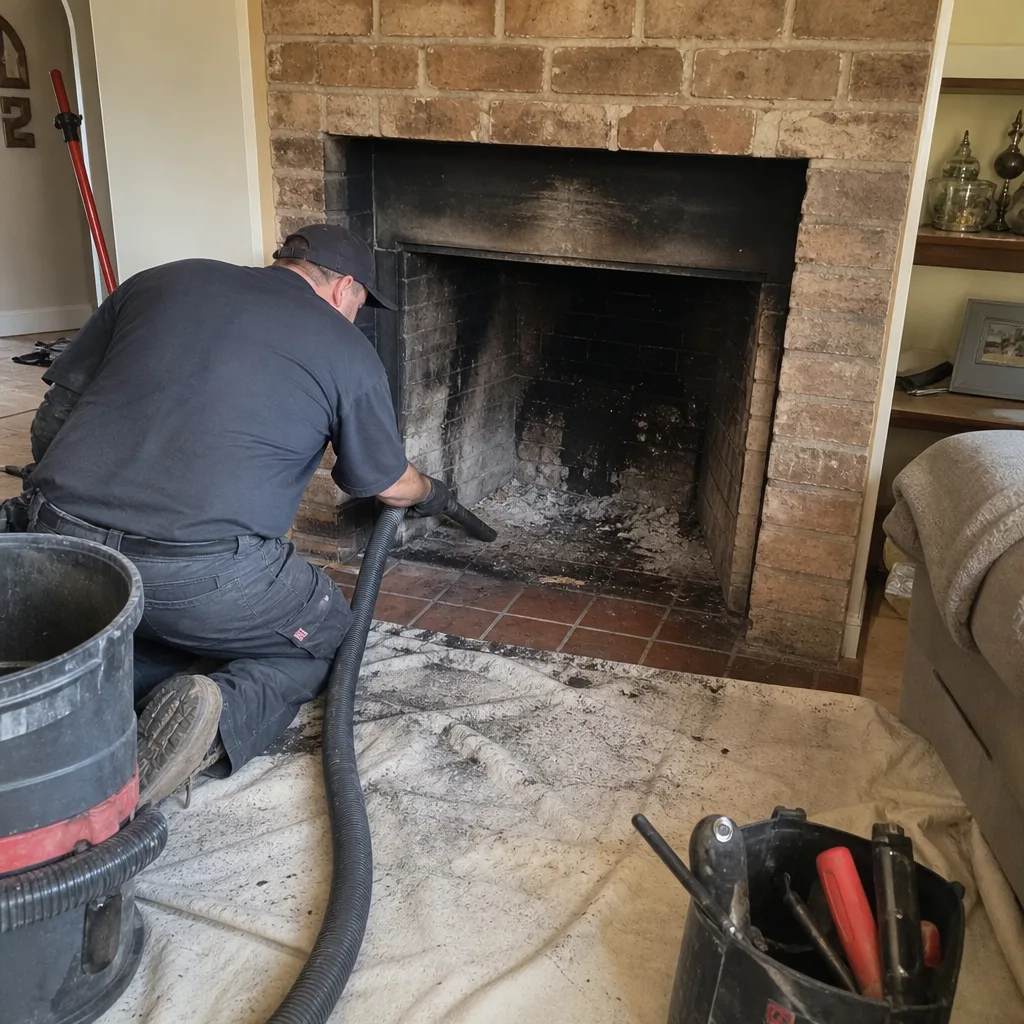 Before
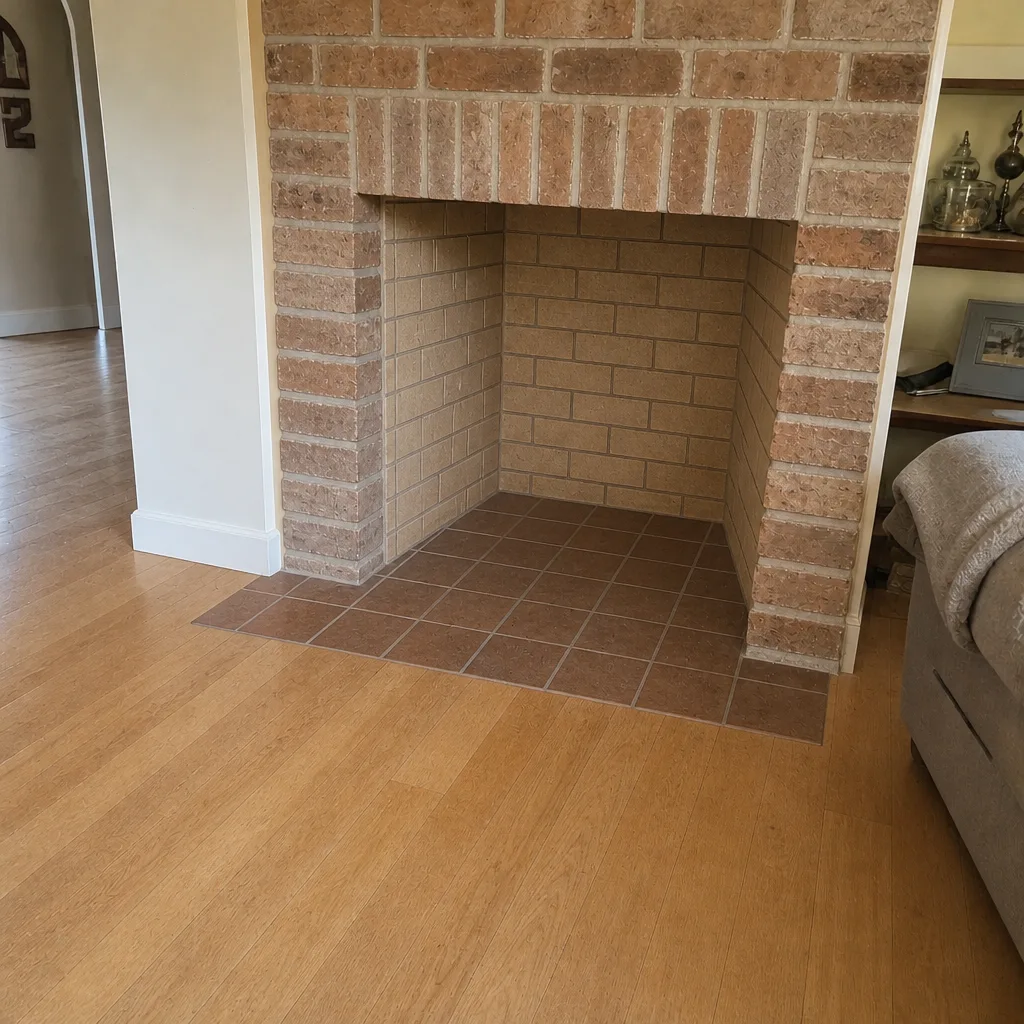 After
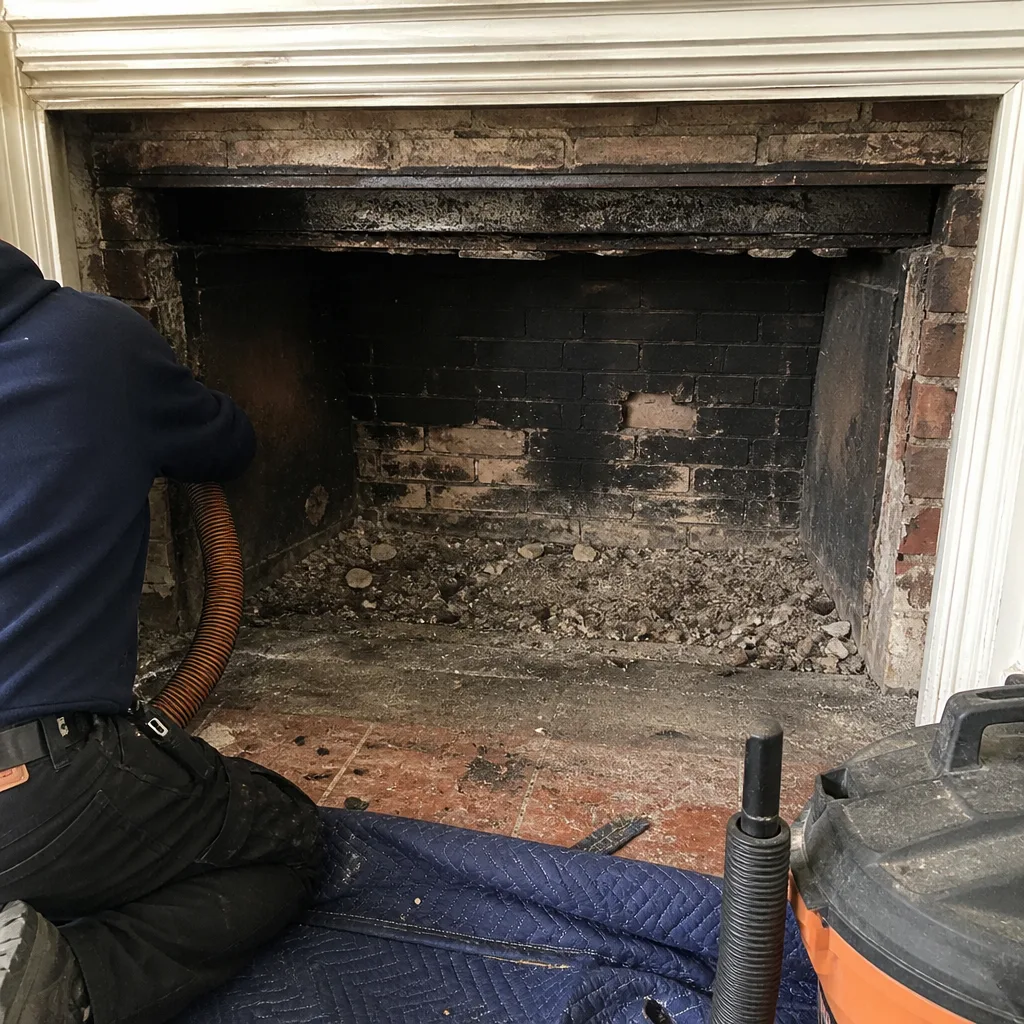 Before
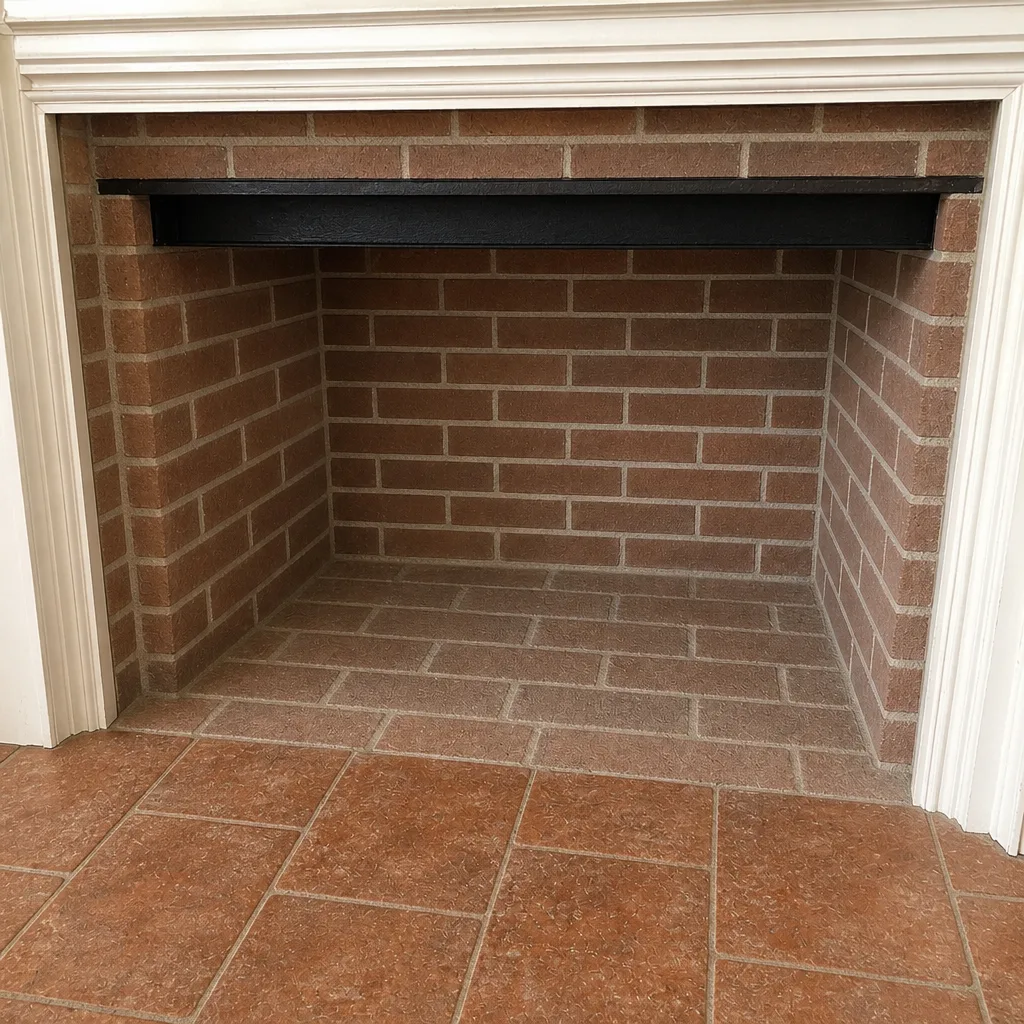 After
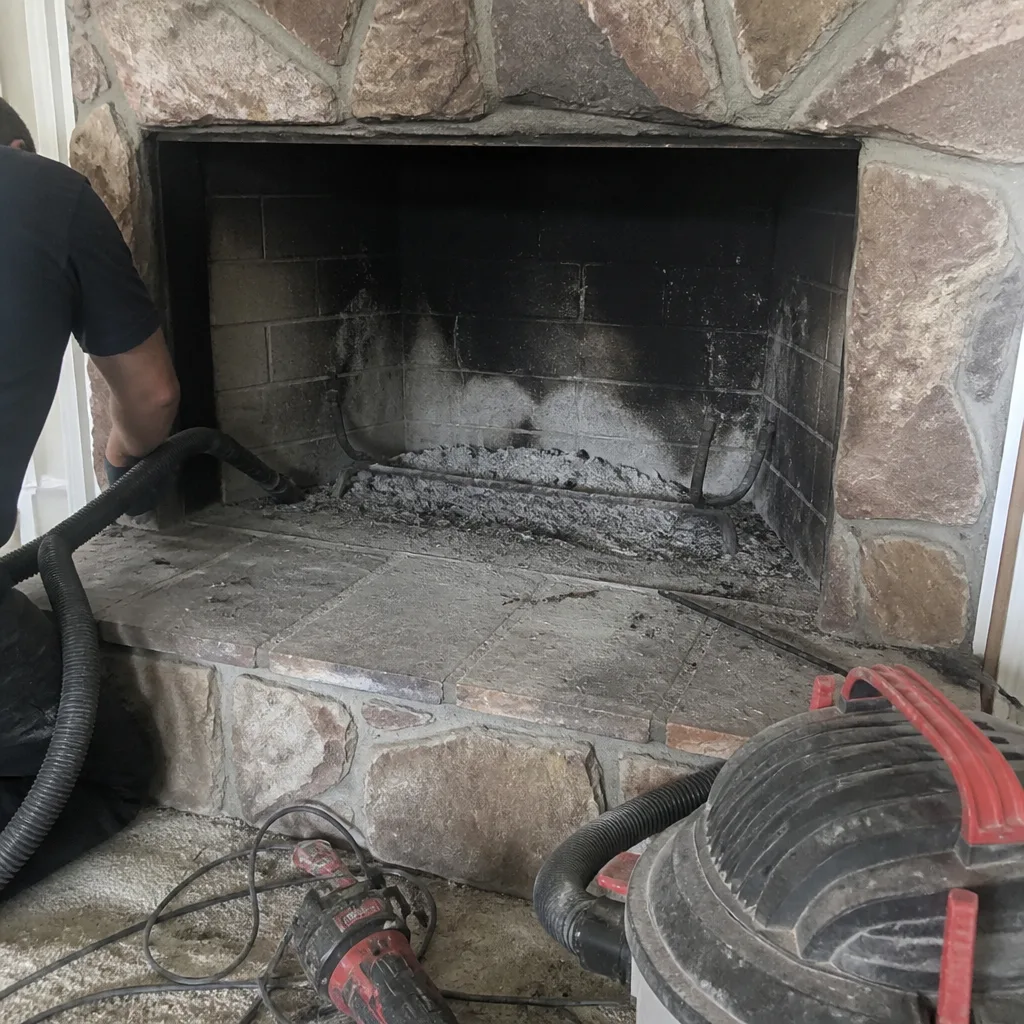 Before
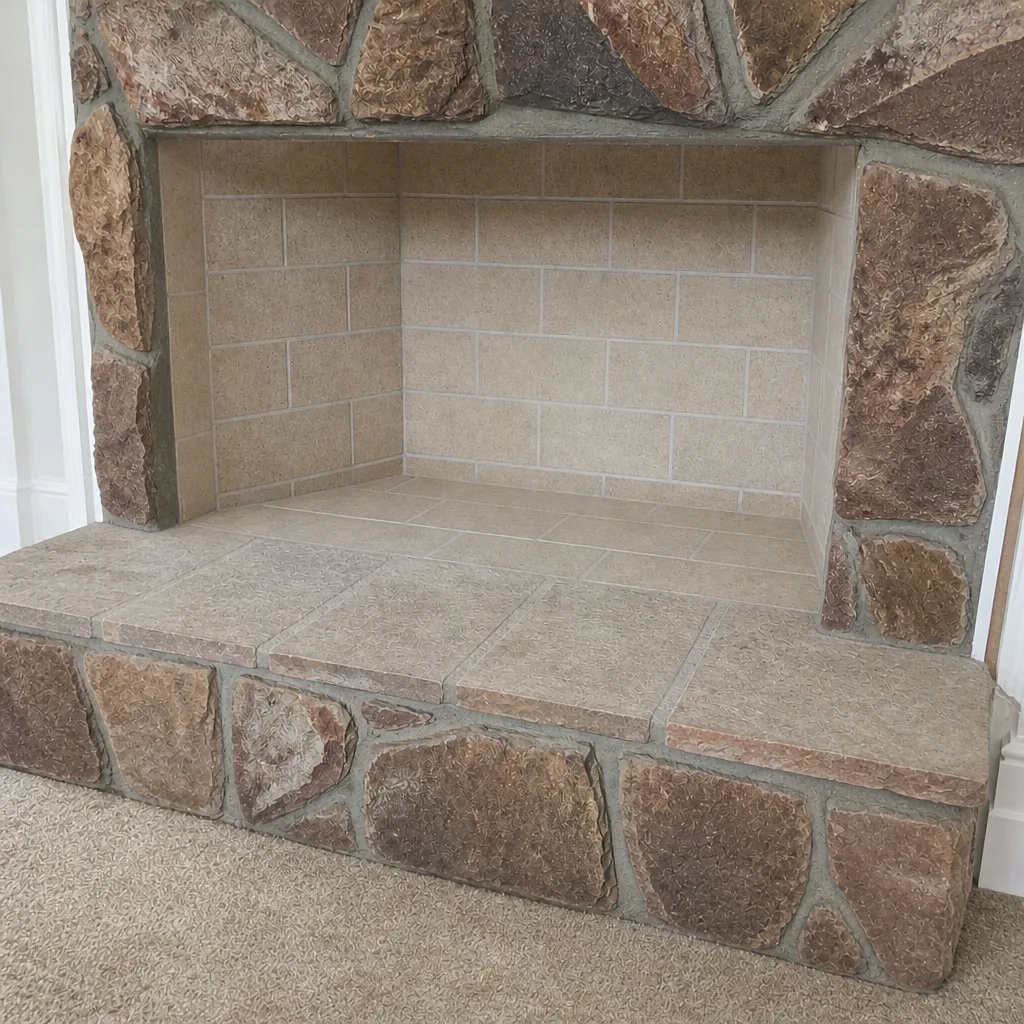 After
When to Call a Professional
Call a chimney professional if any of the following is true for your Arvada home. You’ve moved in and don’t know the service history. You’ve burned more than a cord in a season. You’ve had a chimney fire, even a small one. You’ve added a fireplace insert, switched to gas logs, or changed the appliance in any way. You’ve noticed smoke rolling into the room, a weaker draft, or a smell you don’t recognize. Your crown is cracked, your cap is missing, or your masonry shows water staining on the exterior. Or your last sweep was more than a year ago and you burn wood regularly.
Any of those warrants a real inspection, not a guess. Arvada Chimney Sweep Co offers free estimates in Arvada and can walk you through what a sweep and inspection will and won’t cover before anything is booked. Call (888) 378-1823. We answer 24/7. Fast dispatch from 7am to 7pm, Sunday through Friday. Our technicians have up to 12 years of experience, and they carry the same professional-grade product lines – DuraFlex, HeatShield, Gelco, Olympia Chimney, Famco, Copperfield – that certified chimney shops use industry-wide, so a sweep that turns up a liner or crown issue doesn’t need a second visit from a second contractor.
Frequently Asked Questions
Most chimney cleanings in Arvada run in the low hundreds of dollars, with the exact price depending on the creosote stage, whether a camera-assisted inspection is included, and the condition of the flue. Stage 2 or stage 3 creosote takes longer to remove and sits at the higher end. A written estimate sets the final price before any work starts, so you’ll know the number in advance. Call (888) 378-1823 for an exact quote – estimates are free.
Once a year for most wood-burning fireplaces, with a shorter interval if you burn heavily, burn green or unseasoned wood, or use the fireplace in the shoulder seasons when cold-start conditions are common. Arvada’s altitude produces more incomplete combustion than a sea-level city, so the national annual rule applies here as a floor, not a stretch target. If you’ve burned more than a cord or it’s been more than a year since the last sweep, book a cleaning. Call (888) 378-1823 for an exact quote – estimates are free.
Not automatically. A liner recommendation should rest on camera evidence of a specific defect – a crack, a disconnected joint, deterioration from a prior chimney fire, or a flue that’s incorrectly sized for the appliance. If nobody shows you that evidence, ask to see it. If the liner is genuinely compromised, a DuraFlex flexible liner is the standard fix, and the work can usually happen in the same visit cycle as the sweep. If the liner is sound, the honest answer is no. Call (888) 378-1823 for an exact quote – estimates are free.
Creosote accumulates, and at stage 2 and stage 3 it becomes a fuel source inside the flue. Skip too many years and the risk of a chimney fire climbs, along with the risk that the flue has developed a defect you can’t see. The quieter cost is water intrusion through a failing crown or missing cap – a small fix that gets expensive once the masonry has soaked and frozen through an Arvada winter. Neither of those outcomes is guaranteed by skipping one year, but both get more likely with every season deferred. Call (888) 378-1823 for an exact quote – estimates are free.
Often yes. We handle the full chimney system – from the firebox to the crown – which means a sweep, an inspection, a crown repair, or a cap installation can typically happen in one booking rather than two. Larger repair work like a full reline may need a scheduled follow-up, but the assessment and the recommendation come from the same company, not a handoff. That’s one of the practical reasons to work with a company that carries chimney repair alongside chimney sweep under one roof.
A Level I is a visual check of readily accessible portions of the chimney and venting system. A Level II adds a video scan of the internal flue. Level II is the right choice for a new home purchase, an appliance change, a suspected chimney fire, a structural event nearby, or any time the service history is unknown. For a first visit to an older Arvada home, Level II is usually the right starting point.
Yes, in Arvada. A cap keeps rain, snow, birds, and debris out of the flue, and it’s the single most effective preventive measure against water intrusion at the top of the chimney. A properly fitted cap from a recognized manufacturer like Gelco or Olympia is a straightforward installation at the time of a sweep. On a chimney that’s been without one, the difference in condition over even one winter is noticeable. Call (888) 378-1823 for an exact quote – estimates are free.
Clear the area around the fireplace, remove any hearth decor or fireplace tools that would be in the way, and don’t light a fire for at least 24 hours before the appointment. Move pets and small children to another room during the sweep. The rest is on us – proper containment and a Hepa-grade vacuum keep the soot where it belongs.
Yes. A sweep and inspection covers the firebox and smoke chamber, not just the flue. If the damper is stiff, the firebox mortar has failed, or the firebrick has cracked, we can address it as part of the same service. fireplace repair and chimney work sit under one company, so nothing gets handed off mid-job.
The Bottom Line
Chimney cleaning in Arvada isn’t just a mechanical brush-out. It’s a diagnostic process – altitude, burn pattern, wood quality, and neighborhood housing stock all shape what a chimney accumulates and how urgently it needs attention. Annual sweeps are the right baseline here, and a camera-assisted inspection is the right way to open a relationship with an older Arvada chimney whose history is unknown. Watch for the crown and cap, because water intrusion is the quiet problem. Read your sweep report and ask to see the evidence behind any recommendation. And when something needs repair, work with a company that can carry it through: sweep, inspection, cap and crown, fireplace repair, structural repair, and relining with DuraFlex and HeatShield are all part of the same trade. If you’re ready to book, call (888) 378-1823. We answer 24/7. Fast dispatch from 7am to 7pm, Sunday through Friday, and we’ll walk you through what a sweep and inspection will cover for your chimney. Estimates are free and the price is set per job by the written estimate before anything starts – no surprises after the fact. If you want to see the full range of what we do, start at Arvada Chimney Sweep Co and we’ll point you to the right service page.
Written by the team at Arvada Chimney Sweep Co.