
Last updated November 23, 2026
 Sweep & inspection
 Caps & crowns
 Flue relining
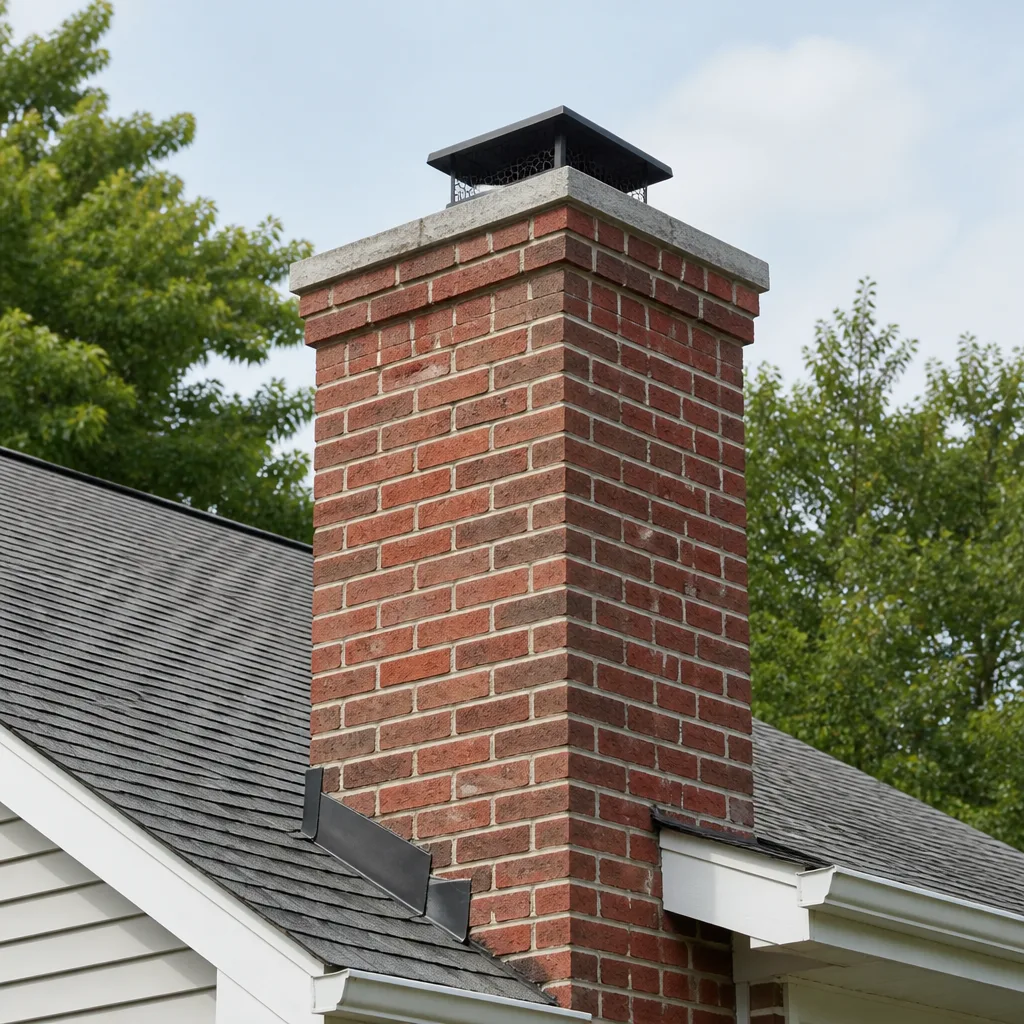 Masonry repair
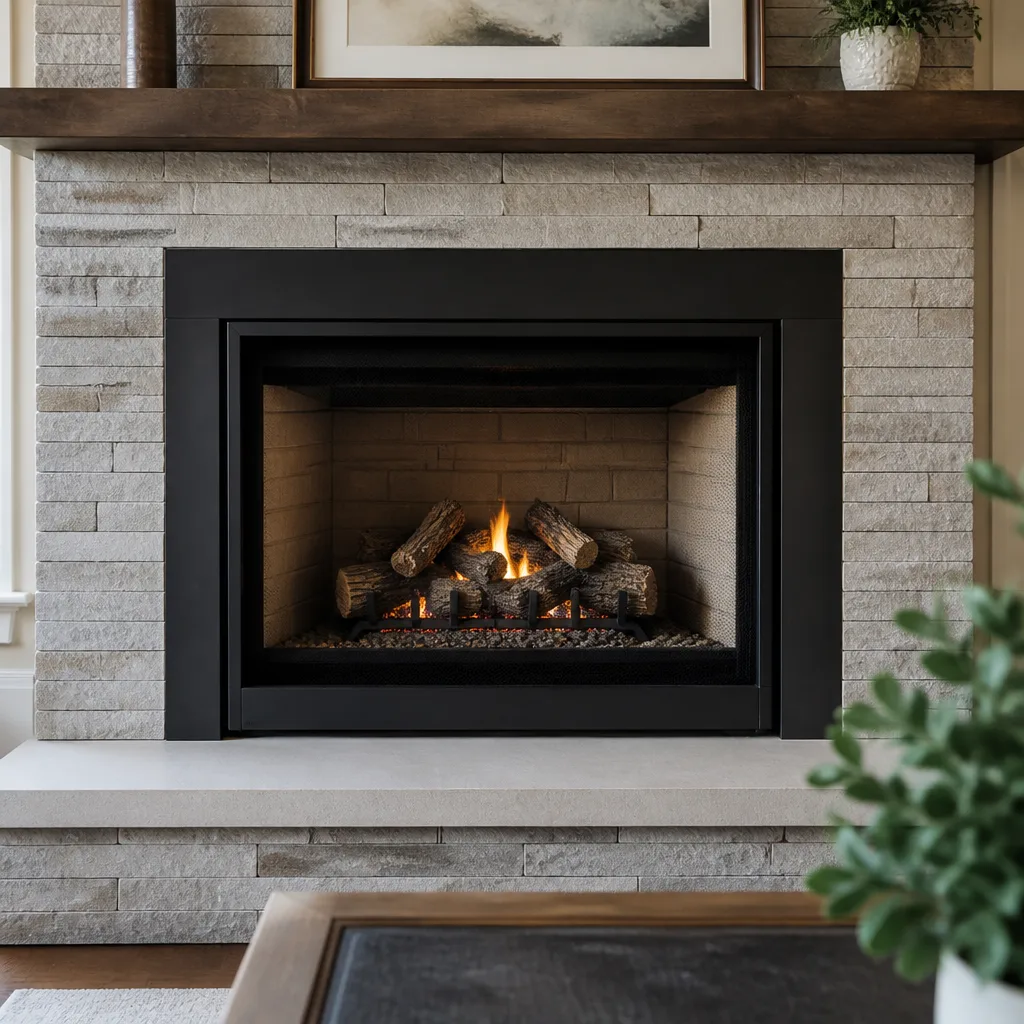 Gas fireplace service
Level 1 sweep and inspection to the NFPA 211 annual standard - flue, crown, cap, and flashing checked and photographed
Chimney sweep logs do not sweep chimneys. They loosen some creosote - which then falls where a brush and vacuum still have to collect it.
Chimney Sweep Maintenance Checklist for Arvada Homeowners
Most chimney maintenance checklists read like a generic home inspection template: check the cap, look at the damper, call a sweep. That advice isn’t wrong, but it isn’t built for Arvada. The homes here sit at the edge of the Front Range, where wind, freeze-thaw cycles, and dry winters work on a chimney in specific ways that a national checklist never mentions. We’ve organized this guide around what actually goes wrong with Arvada chimneys, and split every task into two columns: what you can realistically observe yourself, and what genuinely requires a certified sweep with a camera and a brush. Think of it as a working document you’ll come back to each season, not a marketing piece.
Quick Answer
A chimney maintenance checklist for an Arvada home should cover three layers: what you can see and test yourself (damper operation, cap condition from the ground, smoke behavior), what a certified sweep must evaluate (flue liner, smoke chamber, creosote levels), and a written log of burn hours and service dates. Check the roof from the ground with binoculars each fall, book a sweep before the heating season starts, and compare what you photographed against what the technician documents. Most preventable chimney failures trace back to one skipped step in that loop, and most of the steps are simpler than homeowners expect.
Styles & brands we work with
- Sweep & inspection
- Caps & crowns
- Flue relining
- Masonry repair
- Gas fireplace service
Table of Contents
- Start With Two Lists: What You Can Check and What a Sweep Must Check
- Reading Your Roofline From the Ground (Binocular Check)
- What to Document and Photograph Before You Call
- Timing the Work to Arvada’s Climate
- What to Check After a Hard Freeze
- Keeping a Chimney Log That Pays Off Later
- What Happens During a Sweep and Inspection Visit
- Where Homeowner Maintenance Ends and Technicians Begin
Start With Two Lists: What You Can Check and What a Sweep Must Check
The single most useful thing a homeowner can do is stop treating every chimney task as either “call a professional” or “do it yourself.” The correct split is finer than that. Some tasks are safe and useful to do yourself, some are dangerous to attempt and require a trained technician, and some fall in the middle where you can observe but not repair. Getting the split right makes your sweep appointment more productive and keeps you out of harm’s way.
Tasks a homeowner can observe or perform safely:
- Open and close the damper and confirm it moves freely without scraping or binding.
- Look up the flue with a flashlight from the firebox and note whether you can see obstructions, animal nesting material, or heavy soot buildup.
- Check the cap and crown condition from the ground with binoculars (more on this below).
- Watch how smoke behaves on a cold start: a slow-to-draft chimney that puffs back into the room is a signal worth reporting.
- Confirm the chimney’s exterior flashing is still tight against the roof with no visible lift.
- Record burn hours, wood type, and service dates in a log.
Tasks that require a certified sweep:
- Evaluating the flue liner for cracks, gaps, or deterioration (a camera inspection is the only reliable way to see the full length).
- Inspecting the smoke chamber for rough surfaces or creosote glazing.
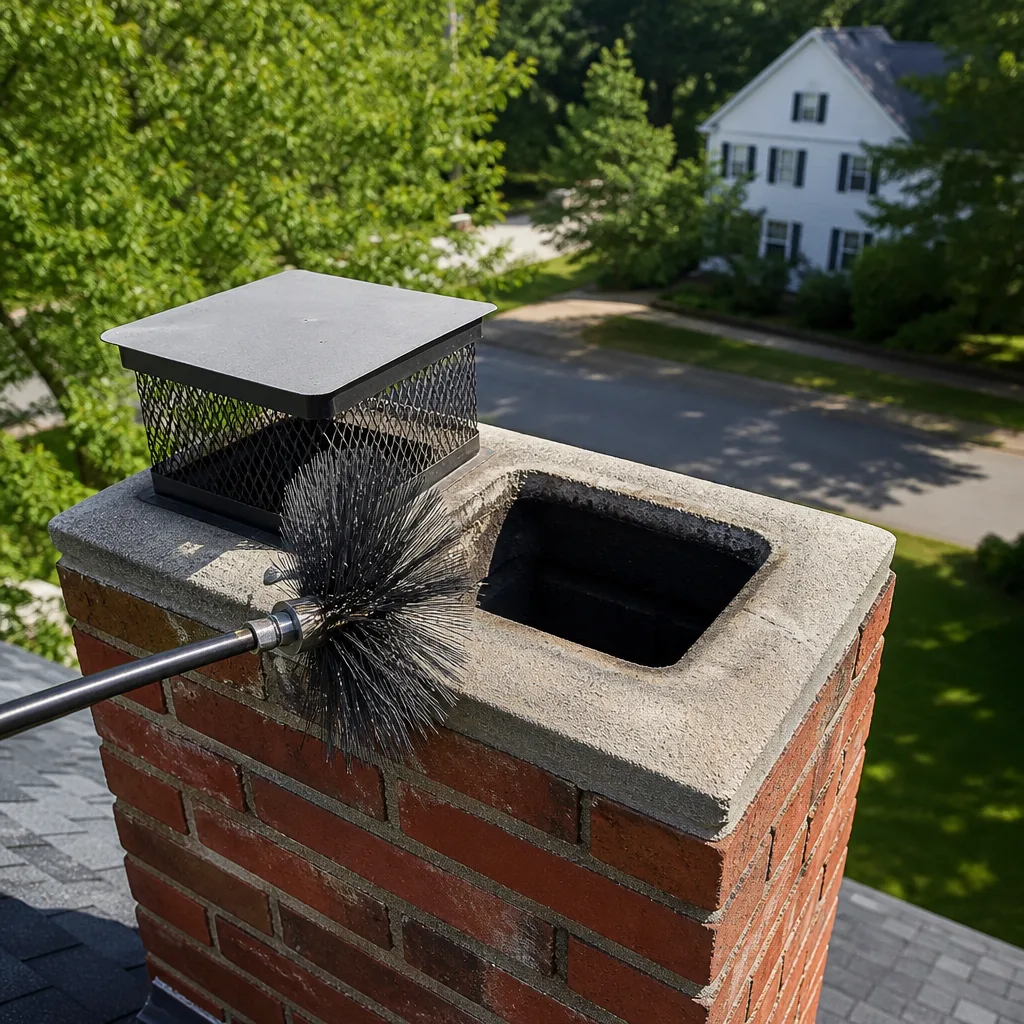
- Sweeping the flue with proper brushes and rods.
- Assessing the firebox masonry for spalling or joint failure.
- Deciding whether a liner relining is needed, and which professional-grade product (DuraFlex flexible liner systems, for example) suits the flue.
The distinction matters because a homeowner can catch a warped damper or a cap full of rust, but cannot safely diagnose a cracked flue tile. If you’d like to understand the sweep side of the work in more detail, our chimney sweep page walks through the full process.
Reading Your Roofline From the Ground (Binocular Check)
You don’t need to climb onto an Arvada roof to get useful information about your chimney. A pair of binoculars and ten minutes on a clear morning will tell you more than a casual glance will, and it will help you describe the problem accurately when you call. Arvada’s freeze-thaw swings are hard on masonry joints and sealant, and those are exactly the failures that show up at the roofline first.
Stand back far enough to see the full height of the chimney and check each of the following:
- Mortar joint separation. Look for dark lines or gaps between the bricks, especially near the crown. Horizontal cracks widen as water enters and expands during freeze cycles.
- Crown condition. The crown is the concrete cap on top of the chimney. Look for visible cracks, a rough or spalling surface, or an overhang pulling away from the flue.
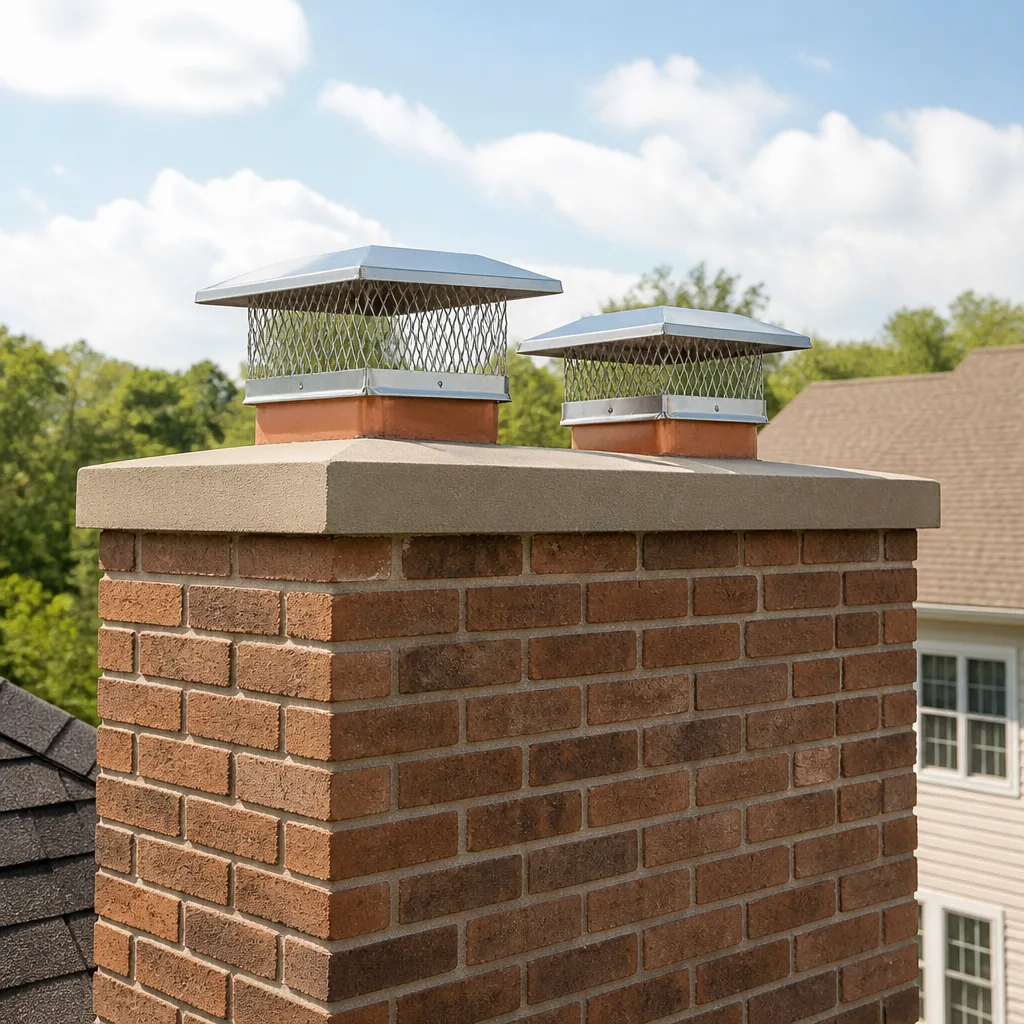
- Cap corrosion or damage. The metal chimney cap should sit squarely over the flue with intact screening. Rust streaks, dents, or a cap cocked to one side all indicate it’s no longer doing its job.
- Flashing lift. At the roofline where the chimney meets the shingles, the flashing should be flat and sealed. Lifted or separated flashing is a common source of interior water stains.
- Efflorescence. A white, powdery stain on the brick exterior often means water is moving through the masonry from inside. It’s worth photographing and reporting.
- Chimney lean. Step back and check whether the stack is plumb. A visible lean on an older Arvada home is a structural signal, not a cosmetic one.
These checks won’t be complete without a roof-level inspection by a trained technician, but they’ll tell you what to point out. If you notice a suspect crown or cap, our chimney repair page covers how cap and crown issues are addressed.
What to Document and Photograph Before You Call
A sweep appointment runs better when the homeowner brings evidence. Before you call, spend twenty minutes gathering the following in a folder on your phone or as a printed sheet. It genuinely improves the accuracy of a quote and shortens the visit.
Photograph:
- The roofline from two or three angles, with the chimney fully in frame.
- A close-up of the crown and cap (use the binocular check to identify what’s worth a zoom shot).
- The firebox interior before any cleaning, showing soot patterns and any obvious cracks.
- The damper in both open and closed positions.
- Any interior water stains on the ceiling or wall near the chimney.
Write down:
- The type of fireplace (wood-burning masonry, wood insert, or gas) and its approximate age.
- The last service date, if known.
- The type of wood you burn and roughly how much per season.
- Any smoke behavior you’ve noticed (puffing on startup, draft that’s worse on cold days).
- Any noises you’ve heard inside the flue (birds, scratching, tapping in wind).
When we look at a photo of a cracked crown or a lifted flashing line before the visit, the sweep can plan materials and scope for the job rather than making a second trip. It’s a small effort that saves real time. If you’d like a straight answer on whether your chimney is a preventive-care job or a repair job, that’s exactly the kind of question a photo-supported first visit answers well.
Timing the Work to Arvada’s Climate
Arvada’s heating season has a recognizable rhythm, and matching your maintenance to it changes how much of the year you spend chasing problems. The logic here is straightforward: the best sweep is the one that happens before the first sustained cold.
Late September beats November. A sweep booked in late September happens before the first real use of the season, so you start the cold months with a clean, inspected flue. By November, most homeowners have already burned a few weeks’ worth of cordwood, and if there’s a blockage or a cracked flue tile, you’ve been running smoke through it first. Sweep calendars also fill up in October, so an earlier booking gets you a wider choice of days.
Fall matters more than spring. In Arvada, the transition from warm to cold brings nightly freezes after warm days. That’s the window when water that has entered masonry expands and causes spalling. If a crown or flashing has failed, the damage compounds through the fall. Catching it in September means it’s addressed before the freeze cycles do their work.
Winter burn-hours warrant a mid-season look. If you burn steadily from October onward, a mid-winter check of the firebox and damper pattern is a reasonable halfway point. Not a full sweep, just a visual confirmation that nothing has shifted.
Spring is for repair, not just cleaning. Once the burning season is over, any repair work that was deferred until the last fire has gone cold is best addressed then. Crown repair, cap replacement, and flashing work done in April or May have warm, dry weather to cure and settle before the next cold snap.
Our Arvada Chimney Sweep Co team schedules work around these windows, and if you’re timing a first visit, calling with a rough date range lets us advise on the best slot.
What to Check After a Hard Freeze
After a hard freeze in Arvada, certain failures reveal themselves quickly. Some are cosmetic, but a few are the kind of problem that gets worse every night the temperature drops. This is a short, targeted check, not a full sweep. Ten minutes with a flashlight and a set of eyes.
Interior checks:
- Run your hand along the wall near the chimney and the ceiling above it. A cold-spot or visible moisture means water is getting in.
- Open the damper and shine a light up the flue. If you see new cracks or debris that wasn’t there before, note it.
- Check the firebox for the smell of smoke on a day when there’s no fire. That’s a sign of a downdraft or a partially blocked flue.
Exterior checks:
- Re-run the binocular check on the crown and flashing after a freeze. New cracks or lifted flashing often appear first thing after a cold night.
- Look for a fresh bloom of efflorescence (the white powdery stain) on the brick, which points to active water movement.
- Check the cap screen for ice or debris that may have blocked the opening.
What to do if you see any of these: don’t light a fire until the flue has been inspected by a trained technician. A flue that’s cracked and blocked is exactly the condition that turns a normal fire into carbon monoxide risk. If you’ve seen new damage after a freeze, call us and describe what you found. We answer 24/7 and can get a technician out with fast dispatch from 7am to 7pm.
Keeping a Chimney Log That Pays Off Later
A simple logbook is the least glamorous part of chimney maintenance and the one homeowners most often skip. It’s also the single highest-leverage document you can keep. In our experience, a homeowner who can tell a sweep the approximate number of burn hours, the wood type, and the date of last service gets a faster, cheaper, and more accurate inspection than one who has to guess.
What to record:
- Burn hours: a rough count is enough. “About 40 fires this season” tells a sweep more than “lots.”
- Wood type and moisture: note whether you’re burning seasoned hardwood or something softer, and roughly how long it’s been drying.
- Service dates: every sweep, inspection, cap replacement, or liner repair. Write it on the day it happens.
- Observations: any smoke behavior change, draft complaint, or new stain. It becomes the timeline for a technician.
- Photographs: before-and-after photos of the firebox and the roofline at each service. They let a future inspection compare condition rather than re-establish a baseline.
You don’t need a fancy app. A notebook kept near the fireplace works, and a phone camera with a shared album works even better. When you eventually call for a sweep, the log lets the technician skip the diagnostic guessing and get straight to the cleaning and inspection. That’s where the cost savings come from.
What Happens During a Sweep and Inspection Visit
Knowing what to expect on the visit makes the appointment more productive, and it also tells you what to look for in the report. A proper chimney sweep and inspection in Arvada should follow a clear sequence, and it should end with a documented scope, not a verbal shrug.
- Exterior review. The technician starts at the roofline and checks the crown, cap, flashing, and masonry for visible damage. This is where cap and crown observations get recorded.
- Firebox and damper check. The damper is checked for operation, and the firebox is surveyed for cracks or spalling.
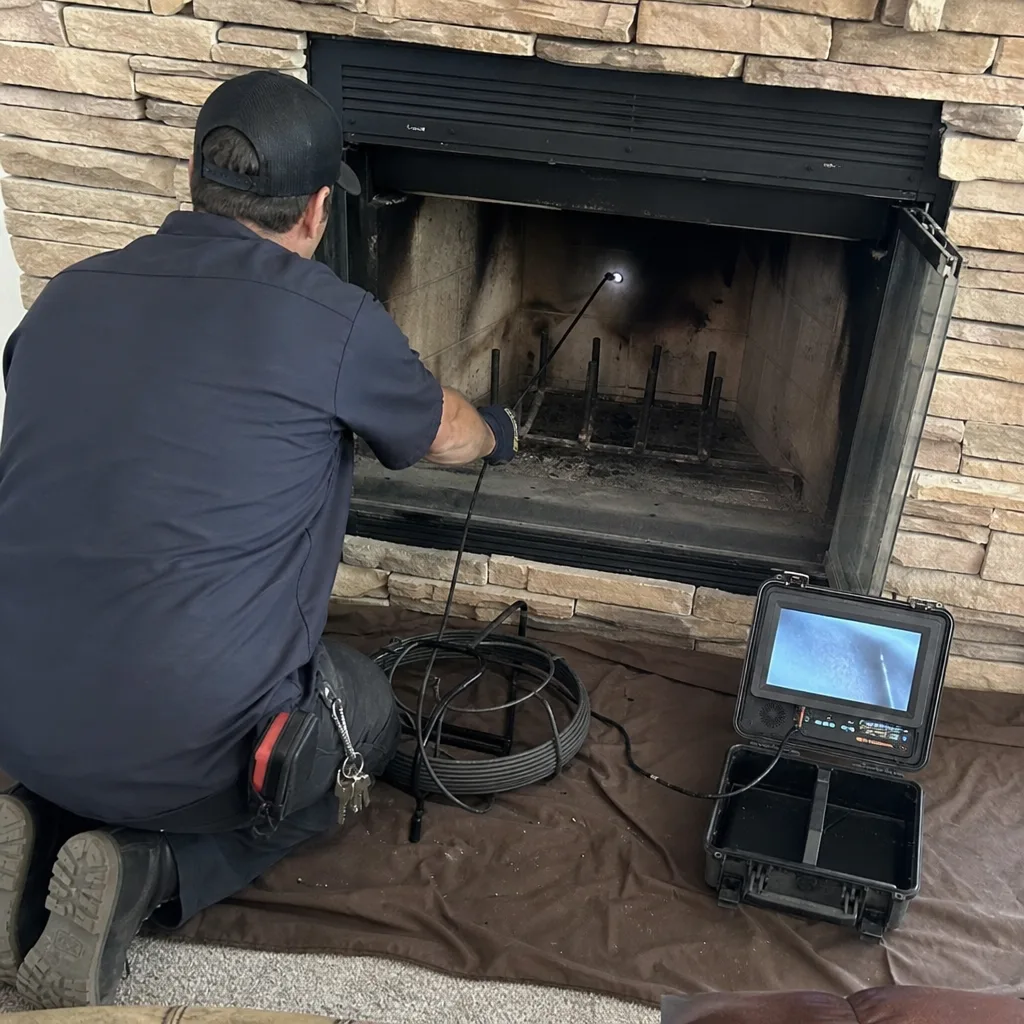
- Camera inspection of the flue. A camera is run up the flue to assess the liner, check for gaps, and identify creosote levels beyond what a flashlight can see. This is the step that separates a real inspection from a glance.
- Sweeping. The flue is swept with the appropriate brushes and rods, and the debris is removed.
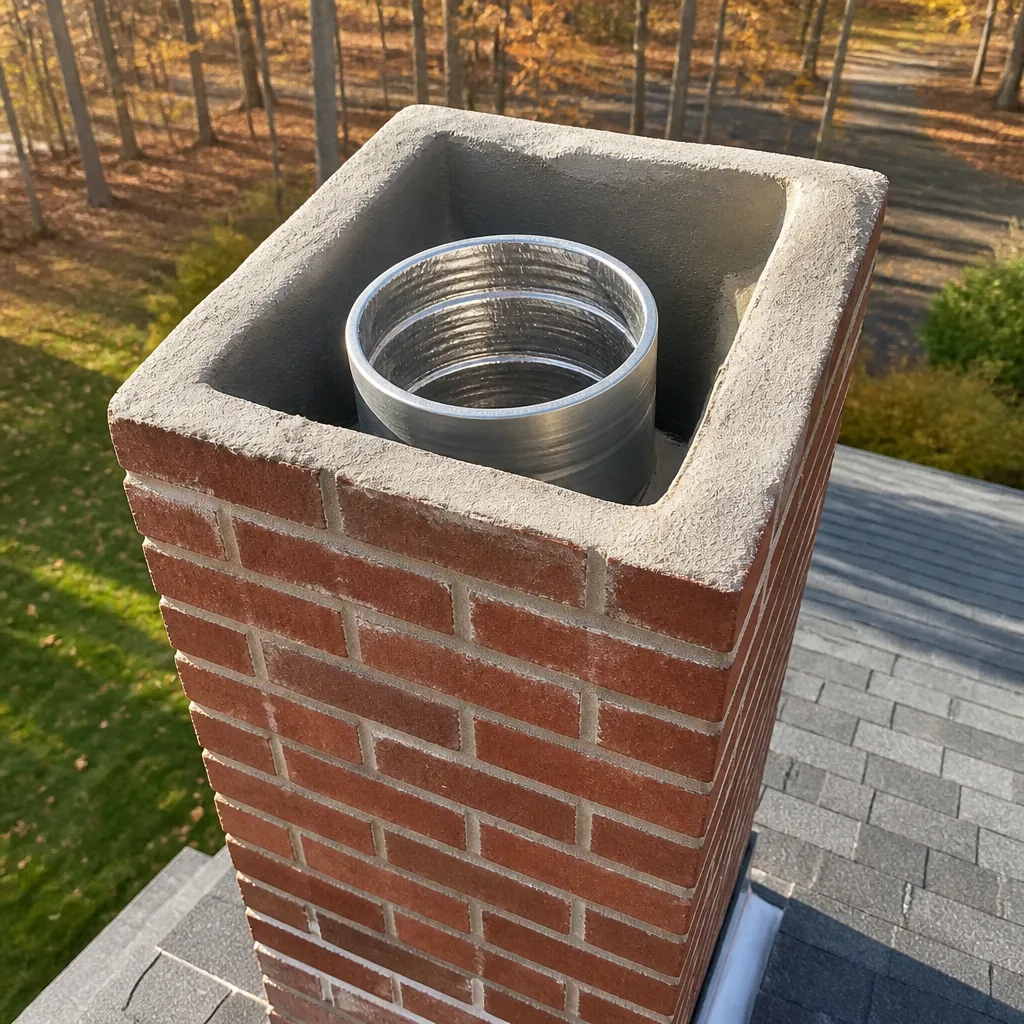
- Smoke chamber and liner evaluation. The smoke chamber is checked for rough surfaces, and the liner is reviewed for any need for relining. If relining is indicated, professional-grade products (DuraFlex flexible liner systems, for example, or HeatShield chimney resurfacing where appropriate) are specified.
- Report and estimate. You should get a written summary of the condition and a written estimate for any repair work, with a clear indication of what is preventive and what should be addressed before the next fire.
Our team works with the professional-tier brands that certified chimney specialists rely on: DuraFlex for flexible liner systems, HeatShield for resurfacing, and Gelco and Olympia Chimney for caps and components. Our technicians have up to 12 years of experience, and the same scope covers the firebox as well as the flue. When a fireplace repair is needed, the same company handles it.
Where Homeowner Maintenance Ends and Technicians Begin
Chimney work has a hard line, and it’s worth naming clearly. Some things a homeowner can inspect and understand. Other things are genuinely dangerous to touch, and no amount of internet research changes that.
Do not attempt these. Call a trained professional.
- Climbing the roof to work on the chimney. The combination of height, steep pitch, and loose masonry is a serious fall risk. Binocular inspection from the ground is the safe approach.
- Opening the firebox to examine the liner. A crack in a flue tile can let flames or carbon monoxide into the wall cavity. Only a camera inspection is safe.
- Removing mortar or masonry. Any structural masonry removal is dangerous without training, and a chimney stack has to remain structurally sound throughout the heating season.
- Working on gas appliance venting. Gas vent connections and terminations require training and specific knowledge. Hire a qualified professional.
- Attempting to reline a flue. Liner installation requires scale, equipment, and proper sizing. Improper installation is one of the most common reasons a chimney fails inspection.
The homeowner side of the checklist is observation, documentation, and safe decision-making. The professional side is diagnosis, cleaning, and repair. Keeping that line clear is what keeps your home safe and your maintenance costs sane.
Common Mistakes to Avoid
- Skipping the off-season check entirely. Many Arvada homeowners think about their chimney in November, when the first fire is lit. By then the damage from a failed crown or flashing has already begun. A check in September makes the difference.
- Not photographing anything before calling. A photo of the roofline, crown, or firebox makes the appointment more productive and the quote more accurate. Skipping this step turns a one-visit job into a two-visit job.
- Assuming a clean sweep means a healthy chimney. A chimney can be perfectly clean inside and still have a cracked crown or a lifted flashing line. The checklist has two parts for a reason.
- Ignoring what the cap is telling you. A cap that’s rusted through or cocked to one side is the most common entry point for water. It’s also the easiest item to fix before it becomes a structural repair.
- Burning unseasoned wood. Wood with high moisture content deposits more creosote per burn hour. Arvada’s dry climate is a help, but it doesn’t cure wood overnight. Seasoned wood, stored dry, burns cleaner.
- Lighting a fire after a visible new crack. Any new crack seen after a freeze is a reason to have the flue inspected before the next burn. It’s the single highest-risk action on the checklist.
- Not keeping a log. A history of burn hours, wood type, and service dates makes every future inspection faster and cheaper. It’s the least glamorous step on this list and the one that most often pays off.
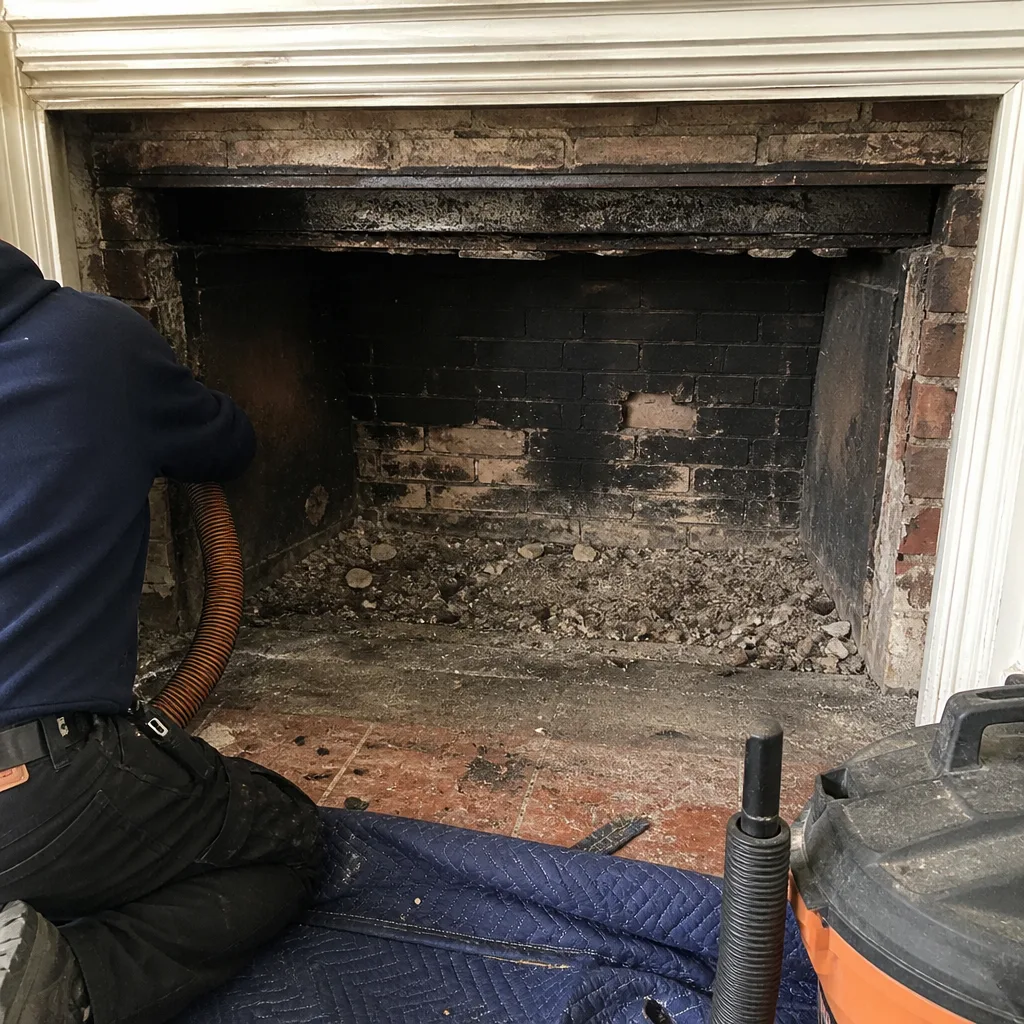
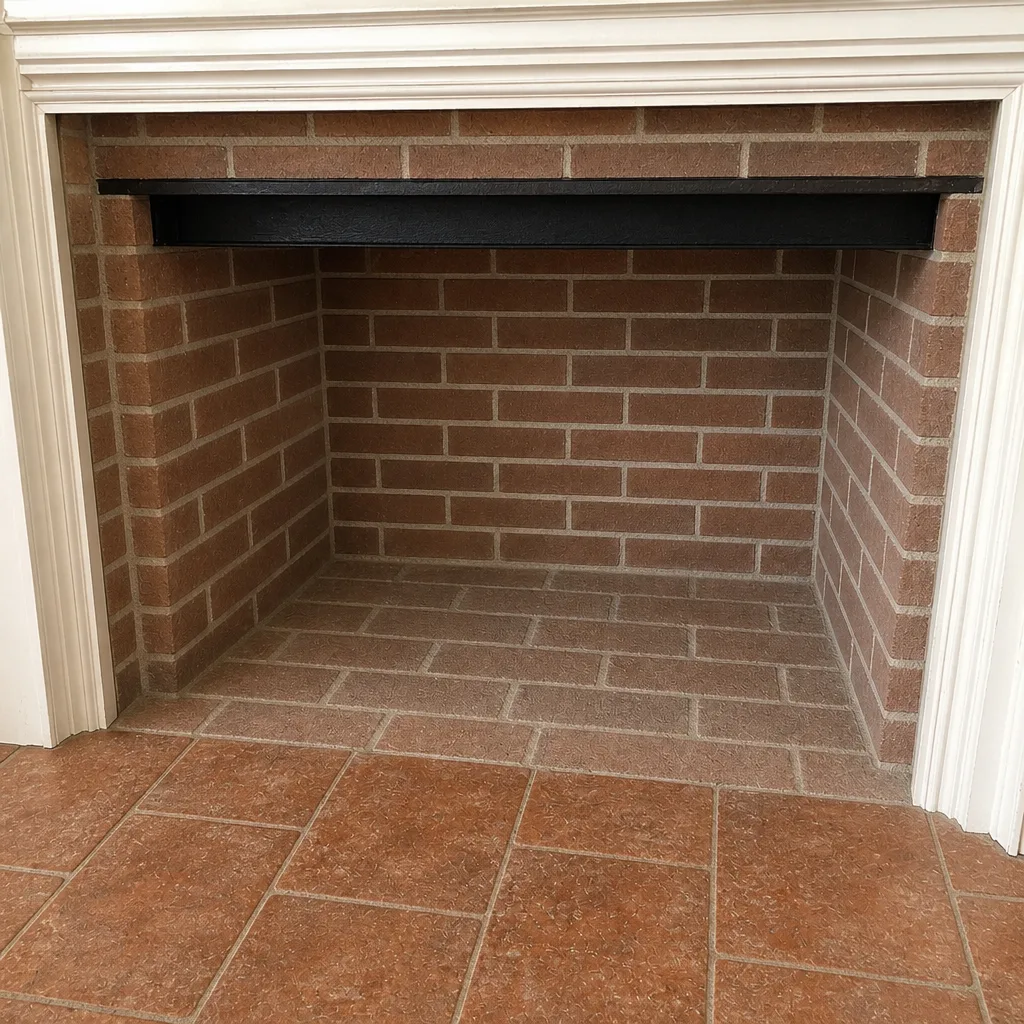
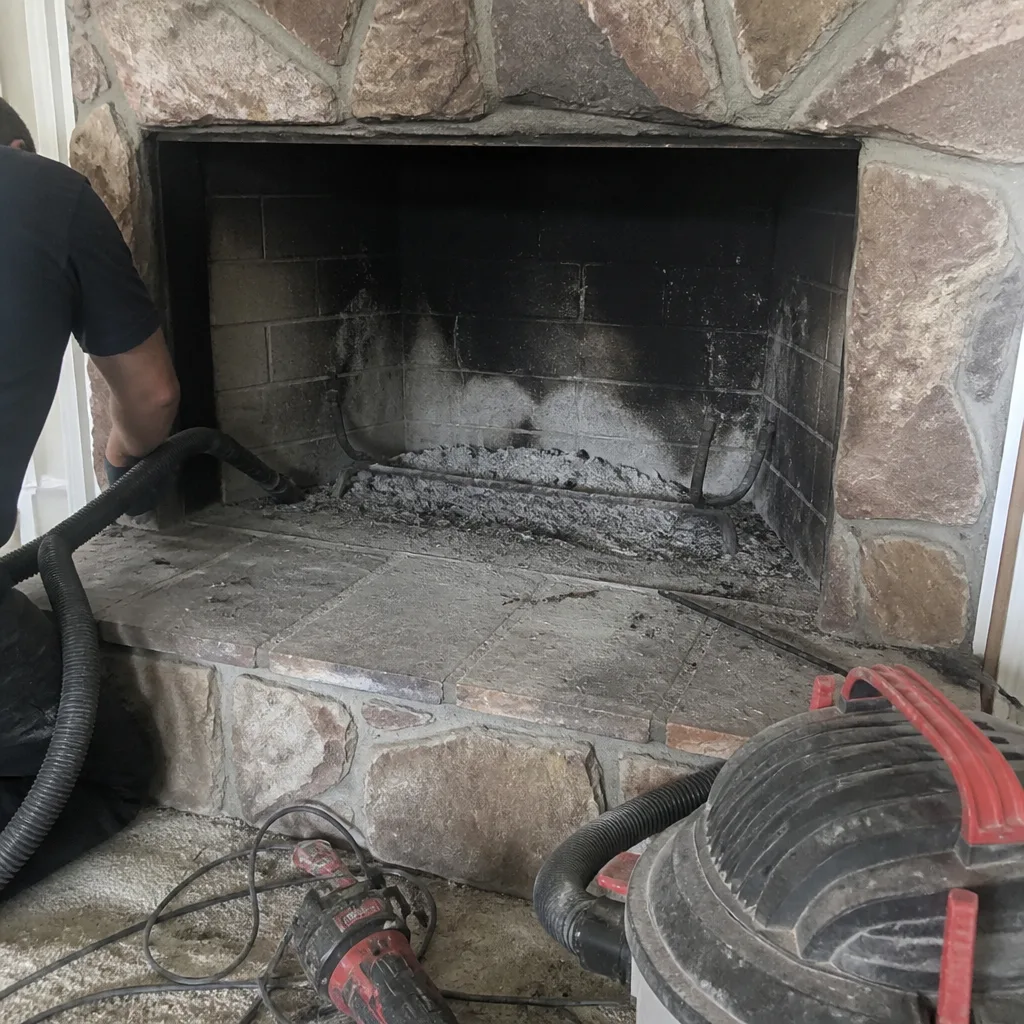
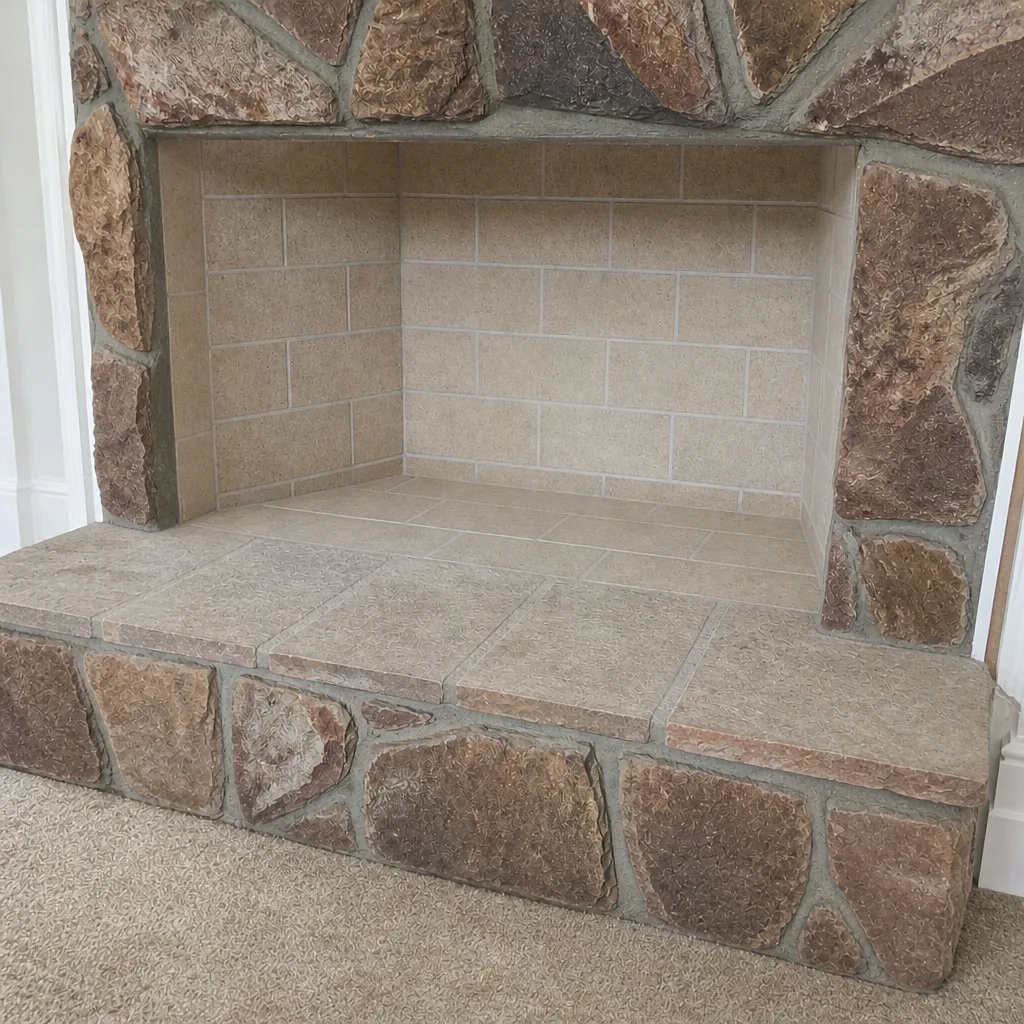
See the difference
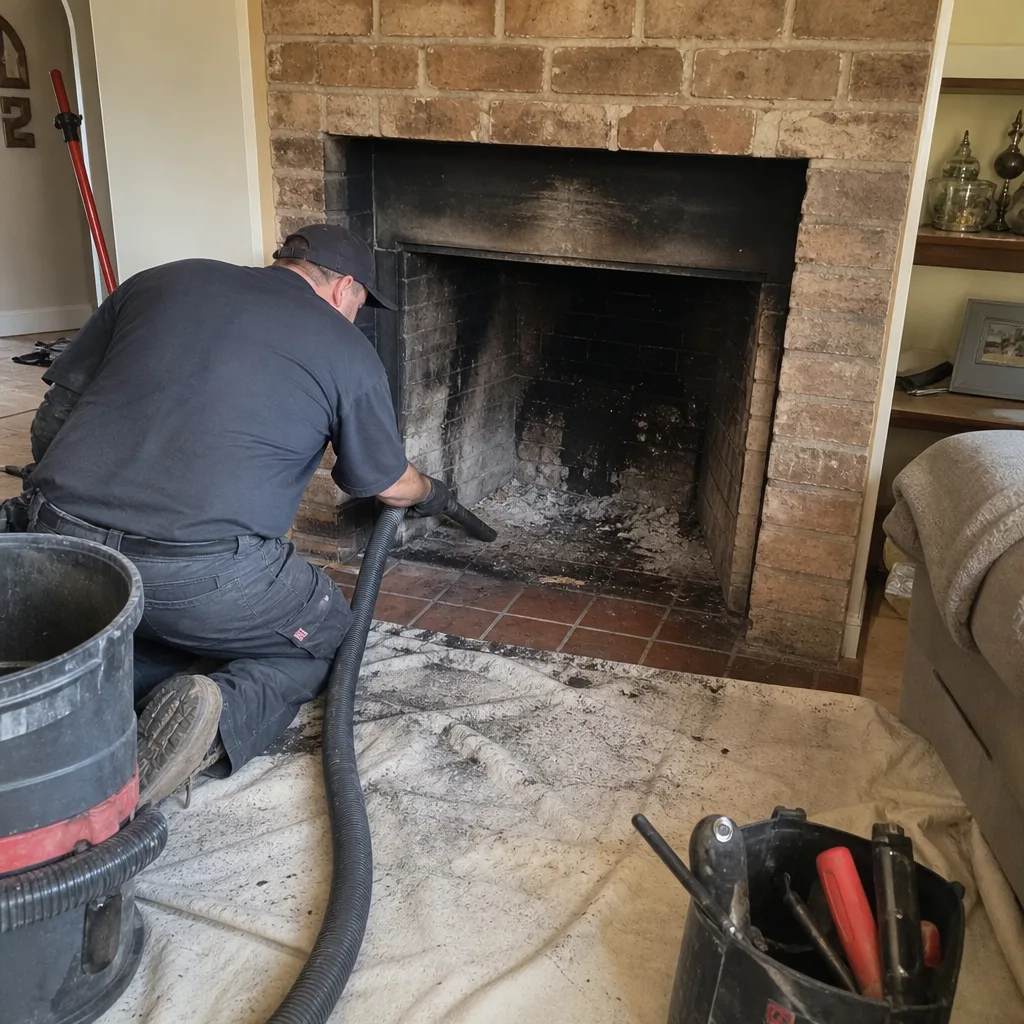 Before
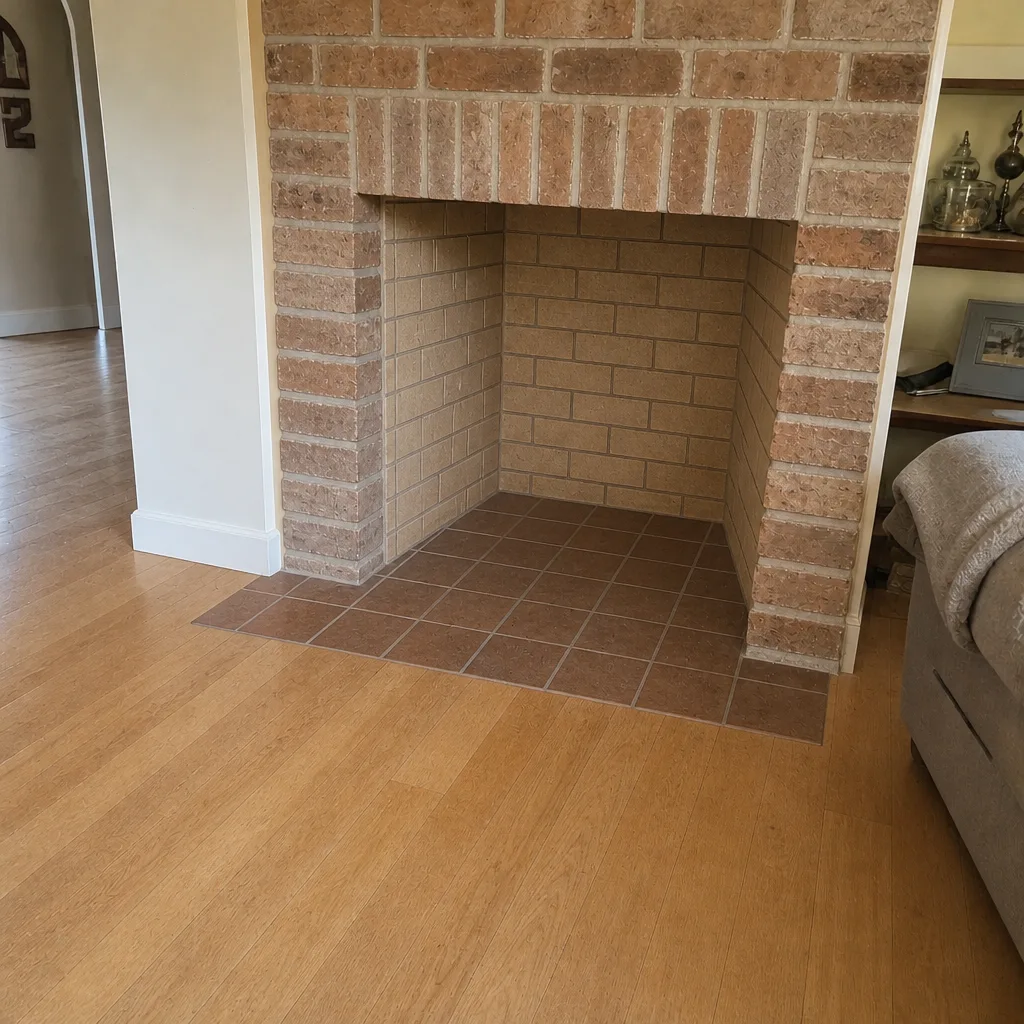 After
 Before
 After
 Before
 After
When to Call a Professional
Call a professional when you see new cracks at the crown or roofline, when your damper is difficult to operate, when you smell smoke on a fireless day, or when the wood smoke backs into the room on startup. Call after any hard freeze if the binocular check reveals new joint separation or flashing lift. Call before lighting the first fire of the season if it’s been more than a year since the last sweep. Arvada Chimney Sweep Co offers free estimates in Arvada, and the written estimate sets the price before work begins. If you’ve taken photos and notes, mention them when you call; it makes the visit more accurate. We answer 24/7. Fast dispatch from 7am to 7pm, Sunday through Friday.
Frequently Asked Questions
Annual sweeping is the standard recommendation for a wood-burning chimney, and it’s the right rule in Arvada unless your burn volume is unusually light or heavy. A fireplace used several times a week through the heating season should be swept once a year; a lightly used one can sometimes go a bit longer with a visual check in between. Call (888) 378-1823 for an exact quote on a sweep; estimates are free.
A standard chimney sweep in Arvada is quoted per job by written estimate rather than a fixed published price, because scope depends on flue length, creosote buildup, and access. The estimate is confirmed before booking, so you know the number in advance. Call (888) 378-1823 for a free estimate on your chimney.
You can observe the chimney from the ground with binoculars and check the damper and firebox condition yourself; that’s the homeowner side of the checklist. What you can’t safely evaluate without a trained eye are the flue liner, smoke chamber, and structural masonry. Call us and we’ll walk you through what to check first.
Late September is the best window, followed by early October. Booking before the first cold snap ensures the flue is clean and inspected before you burn through the season, and it’s easier to get a preferred day than during the October rush. Scheduling is straightforward: call (888) 378-1823 and tell us the date range you’re considering.
Get an inspection before lighting another fire; a cracked crown lets water into the masonry and can worsen with every freeze-thaw cycle. Homeowners often misjudge the depth of a crack from the ground, so a technician needs to look. Call (888) 378-1823 and describe what you’ve seen; we’ll advise on next steps.
A chimney cap is one of the highest-value preventive items on any chimney, because it keeps rain, animals, and debris out of the flue; Arvada’s freeze-thaw swings make that protection especially worthwhile. We install caps as part of our cap and crown service, using products from Gelco, Olympia Chimney, and Famco. Call (888) 378-1823 for a free estimate.
The Bottom Line
Chimney maintenance isn’t one task; it’s a loop of observation, documentation, and professional service that runs on a seasonal rhythm. The homeowner’s job is the ground-level check, the photographs, and the log. The sweep’s job is the camera inspection, the cleaning, and the liner and masonry work. Keeping them separate is what makes the checklist useful. Around Arvada, match the loop to the climate: late-September sweep, post-freeze binocular check, spring repair if needed. And if you’re not sure whether what you’re seeing is a cosmetic issue or a repair, that’s exactly the call to make first. Call (888) 378-1823. We answer 24/7, and the written estimate sets the price before work begins. Fast dispatch from 7am to 7pm, Sunday through Friday.
Written by the team at Arvada Chimney Sweep Co.