
Last updated November 23, 2026
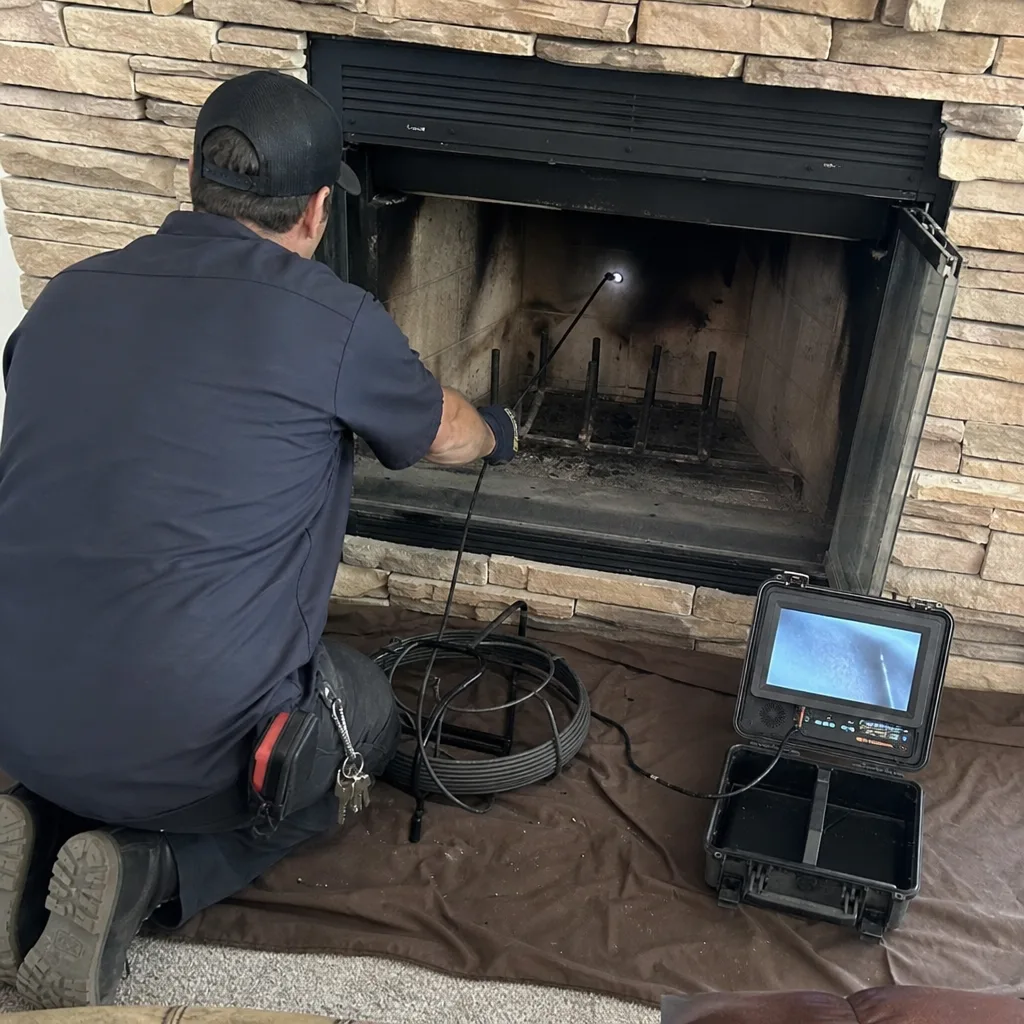
 Sweep & inspection
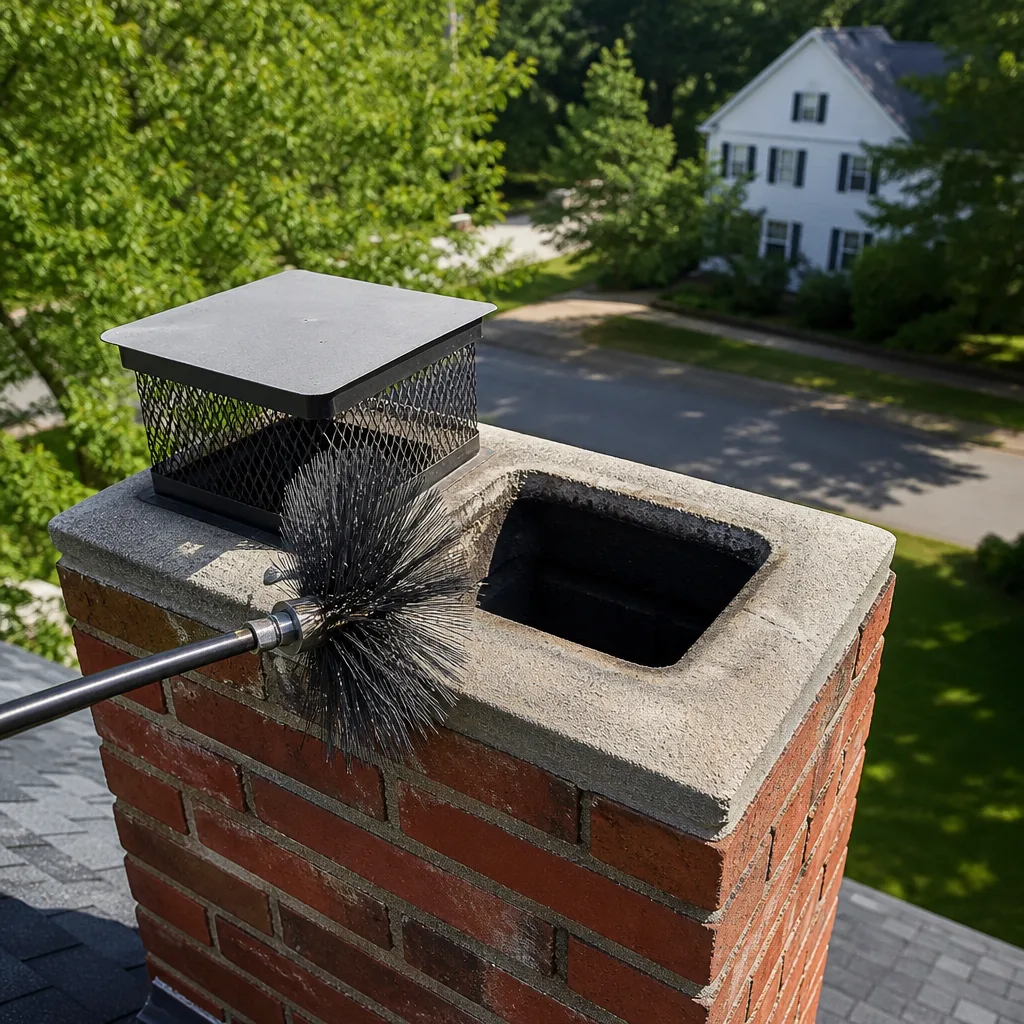
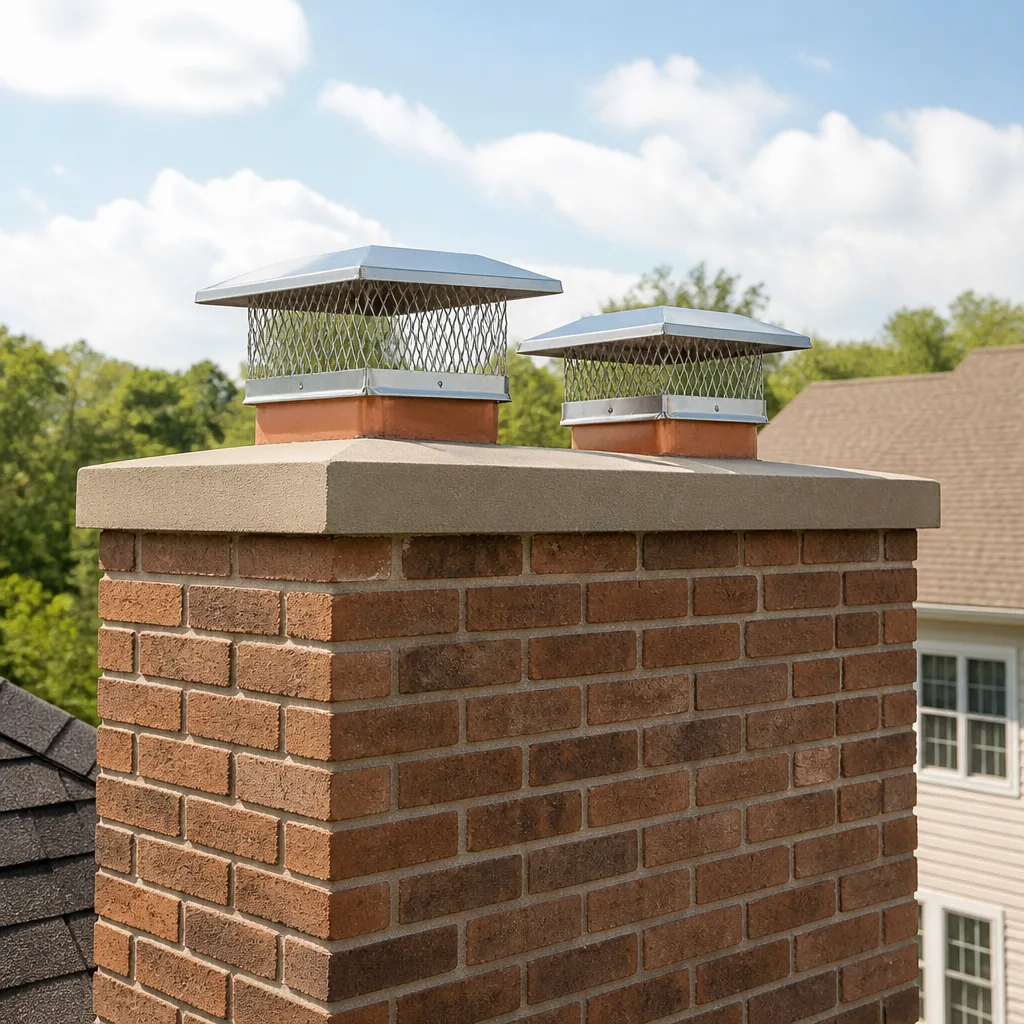 Caps & crowns
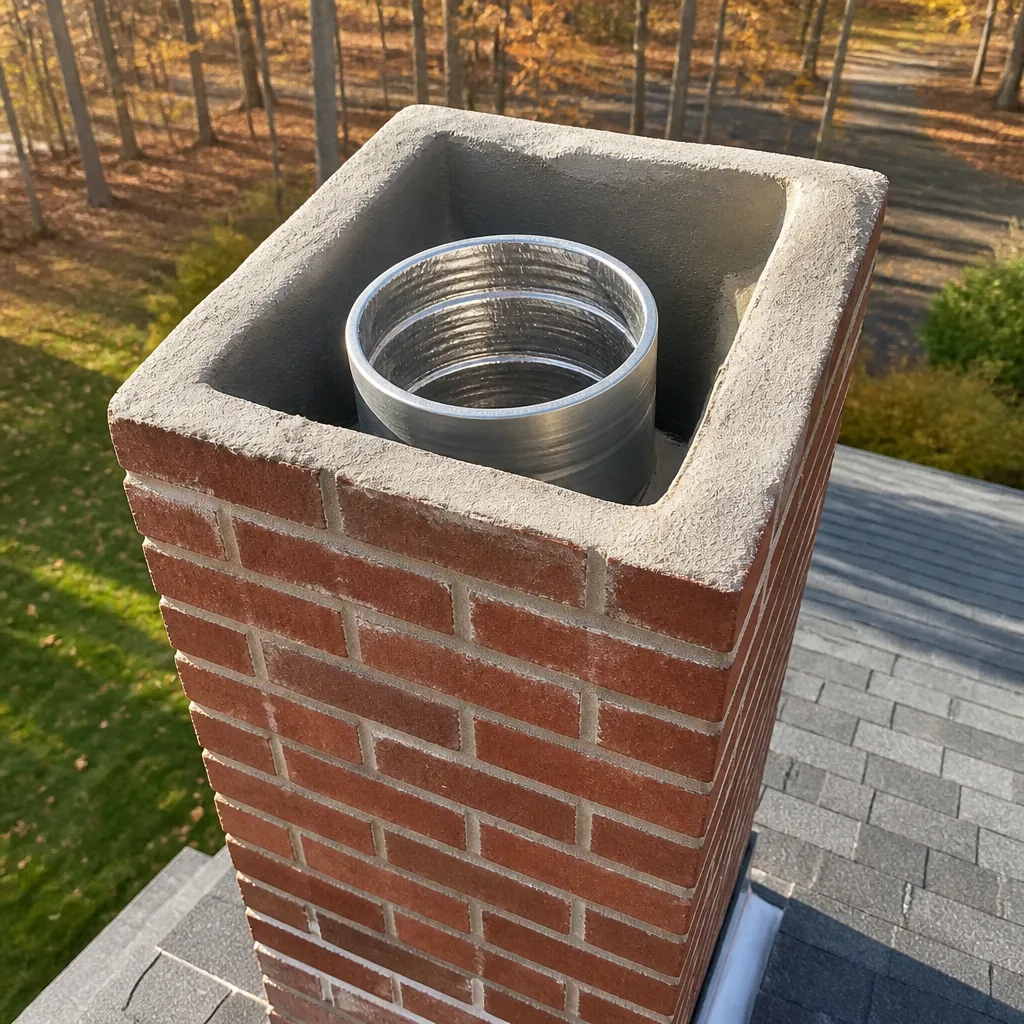 Flue relining
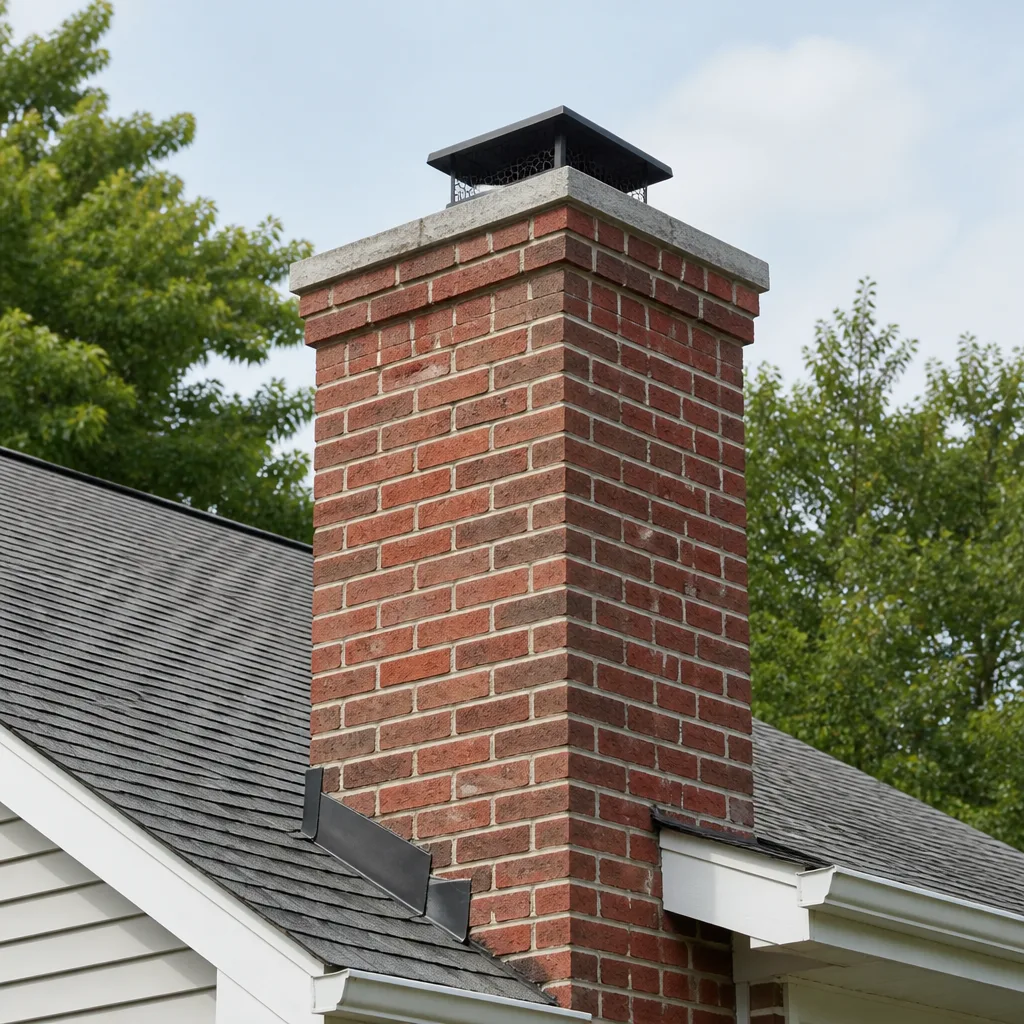 Masonry repair
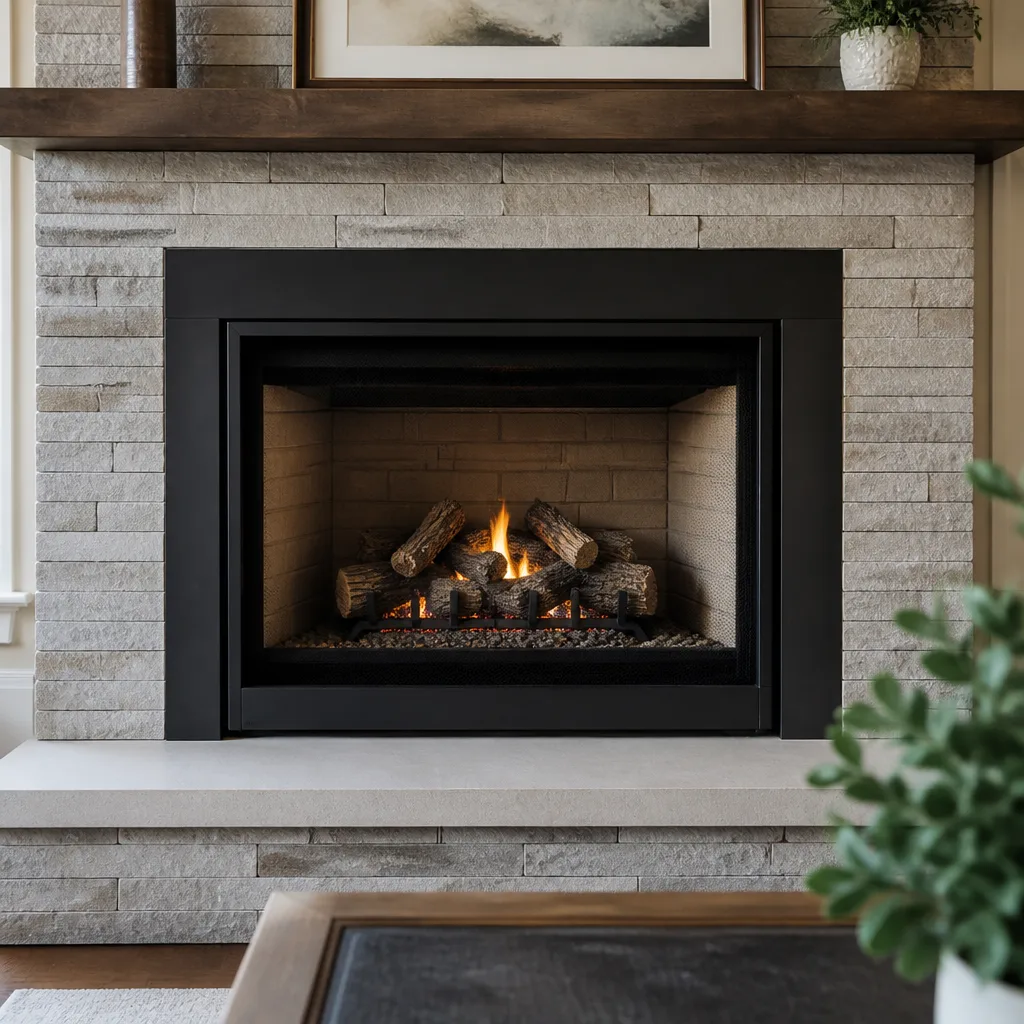 Gas fireplace service
Level 1 sweep and inspection to the NFPA 211 annual standard - flue, crown, cap, and flashing checked and photographed
Chimney sweep logs do not sweep chimneys. They loosen some creosote - which then falls where a brush and vacuum still have to collect it.
Chimney Cleaning Permits, Codes & Inspections in Arvada, CO: What You Need to Know
Here’s the part most homeowners miss: the cleaning itself almost never needs a permit, but the work a cleaning often uncovers frequently does. A flue that’s been quietly failing for years, a firebox with cracked mortar, a gas insert someone installed without paperwork – any of these can turn a routine sweep in Arvada into a permitting question. And unpermitted chimney work has a way of staying invisible until a buyer’s inspector finds it during a home sale. This guide explains what Arvada and Jefferson County actually require, which services trigger a permit and which don’t, how IRC Section R1001 and NFPA 211 apply in practice, and how to protect yourself when work gets discovered mid-project.
Quick Answer
Routine chimney cleaning and annual inspections in Arvada do not require a building permit. Relining, firebox rebuilds, gas insert installations, and structural chimney alterations almost always do, and in most cases the permit is issued through the City of Arvada with inspection handled by the city’s building department. The permit is the contractor’s responsibility to pull, not yours – and if a contractor tells you significant structural work doesn’t need one, that’s a reason to get a second opinion.
Styles & brands we work with
- Sweep & inspection
- Caps & crowns
- Flue relining
- Masonry repair
- Gas fireplace service
Table of Contents
- Which chimney services need a permit and which don’t
- How Arvada and Jefferson County building codes interact
- What IRC Section R1001 and NFPA 211 mean in practice
- How to verify your contractor is pulling permits
- The three inspection levels and when each applies
- What Colorado requires sellers to disclose about chimneys
- Why Arvada’s climate and housing stock matter for chimney condition
- Common mistakes to avoid
Which chimney services need a permit and which don’t
Most chimney work in Arvada falls neatly into two categories, and the line between them is whether the work changes the chimney’s structure or its venting. Cleaning and inspection don’t. Relining and alteration do.
Work that typically doesn’t require a permit:
- Annual chimney sweeping and creosote removal
- Level 1, Level 2, and Level 3 inspections
- Chimney cap replacement or re-seating
- Minor crown repair, including hairline crack sealing on a sound crown
- Damper adjustment or routine maintenance
Work that almost always requires a permit:
- Installing or replacing a chimney liner – including a DuraFlex flexible liner system installed during a full relining project
- Installation of a gas insert or a change of fuel type
- Firebox rebuild or firebox resurfacing that alters the firebox structure
- Chimney height changes, cap rebuilds that affect structure, or masonry reconstruction above the roofline
- Adding a new wood-burning appliance or connecting one to an existing flue
- Removing a chimney or altering its footprint
The reason relining counts as permitted work is that a liner is a life-safety component. It controls where combustion gases go. A gas insert installation is a permitted change because it alters the appliance and its venting, not just the flue interior. During a routine sweep in Arvada, we sometimes find liners that were installed without documentation. When that happens, we tell the homeowner plainly. We don’t recommend thousands of dollars of liner work without camera footage showing the damage – you should be able to see the problem yourself before you approve a repair. Our chimney sweep includes a camera inspection and a photo report, which becomes useful documentation if permitting questions come up later.
How Arvada and Jefferson County building codes interact
Arvada is the permitting authority for most residential chimney work inside city limits. Jefferson County handles unincorporated areas outside Arvada’s boundaries. In practice, this means the answer to “who issues the permit” depends on your address, not on the type of work.
Here’s how the split usually works:
- Inside Arvada city limits: the City of Arvada issues the building permit and its building department performs the inspection.
- Unincorporated Jefferson County: Jefferson County issues the permit and inspects the work.
- Overlapping areas: some addresses sit near a boundary and require a quick check with the city or county before work begins. A contractor familiar with Arvada jobs will know which jurisdiction applies to your address.
Arvada’s older neighborhoods – places like Olde Town, Arvada West, and the pockets of mid-century housing along the Ralston Creek corridor – often have masonry chimneys that predate modern liner requirements. That matters because older chimneys are more likely to fail inspection once modern code looks at them. If you’re buying or selling in one of these neighborhoods, having a documented inspection is worth far more than the cost of the sweep.
Arvada’s climate adds another layer. Winters along the Front Range bring repeated freeze-thaw cycles, which is hard on masonry crowns and mortar joints. Water intrusion through a failing crown is one of the most common issues we see in Arvada, and the fix is usually inexpensive when caught early. Chimney cap and crown work addresses that directly, and it’s a preventive service rather than a structural repair, so it typically stays outside the permit category.
What IRC Section R1001 and NFPA 211 mean in practice
Two standards drive most of the chimney rules that Arvada’s building department enforces: IRC Section R1001, which covers chimney and venting requirements in the International Residential Code, and NFPA 211, the National Fire Protection Association’s standard for chimneys, fireplaces, vents, and solid fuel-burning appliances.
You don’t need to read either document. You do need to understand what they require of you as a homeowner.
IRC Section R1001 in plain terms:
- Chimneys must be constructed with approved materials for the type of appliance they serve.
- Flue liners must be continuous and appropriate for the fuel – which is why an unlined chimney cannot be used for a wood-burning appliance and why adding a solid-fuel insert to an old unlined flue is not permitted.
- Chimneys must terminate at a specified height above the roof, which affects how caps and crowns are built.
- Clearance to combustibles must be maintained, which is why “just patch the mortar” work rarely passes inspection when the underlying structure is wrong.
NFPA 211 in plain terms:
- Chimneys must be inspected before use and at defined intervals afterward, which is why annual inspections matter.
- The standard defines the three inspection levels that sweep professionals use to describe scope and findings.
- When a chimney has been damaged by fire or has a change of use, it must be inspected before being put back into service.
Together, these standards are why a professional chimney repair in Arvada can’t be judged on whether the outside looks intact. The functional requirements are inside the flue. That’s also why we use HeatShield resurfacing for certain liner repairs instead of simply slapping mortar on a crack – HeatShield is a specialized product requiring trained application, and it addresses the functional issue rather than the cosmetic one.
How to verify your contractor is pulling permits
The permit is the contractor’s job, not the homeowner’s. A legitimately permitted job will show up on the city or county record. If it doesn’t, it was either never pulled or pulled under someone else’s license.
Here’s how to verify the work is being done properly:
- Ask for the permit number in writing before work starts. A contractor who can’t or won’t provide one is a stop sign.
- Check the permit on the Arvada or Jefferson County online portal. You should find the permit listing your address, the scope of work, and the named contractor.
- Confirm the contractor’s name on the permit matches the company doing the work. A permit pulled under a different name means the licensed party is not the one executing the job.
- Ask who will be present at inspection. The contractor should schedule the inspection and be there when the inspector arrives.
- Keep a copy of the final inspection record. This becomes your proof of compliance if you sell the home later.
If a contractor tells you that a professional-grade relining job doesn’t need a permit, or that Arvada “doesn’t require it for this type of work,” you should get a second opinion. That claim is wrong most of the time, and when it’s wrong it costs the homeowner later, not the contractor. We work with DuraFlex liner systems and Copperfield venting components on permitted relining projects, and we schedule inspections as part of the job rather than handing that responsibility back to the homeowner.
The three inspection levels and when each applies
NFPA 211 defines three inspection levels, and knowing which one you’re getting prevents unwelcome surprises on the invoice.
- Level 1 – Annual routine inspection. Covers the readily accessible portions of the chimney and venting, including the firebox, damper, and visible flue. This is what usually accompanies an annual sweep and is sufficient when the appliance hasn’t changed and there’s no known problem.
- Level 2 – The “change of circumstance” inspection. Required when a property changes hands, when a new appliance is installed, when a fuel type changes, or after an event like a chimney fire or seismic damage. This level includes a video scan of the flue interior and is the standard inspection during a home sale.
- Level 3 – Investigative inspection. Performed when a Level 1 or Level 2 finds a hidden problem that requires opening up construction to assess. Expect more cost and more disruption, because the inspection itself involves access work.
For most Arvada homeowners, the practical takeaway is simpler than the technical definitions: a Level 1 every year keeps the system in known condition, and a Level 2 is what you want any time the property is changing hands or a new appliance shows up. If you’re buying a home in Arvada with a fireplace, don’t skip the Level 2. It’s the cheapest way to catch a problem before it becomes your problem.
What Colorado requires sellers to disclose about chimneys
Colorado’s seller’s property disclosure requires sellers to disclose known material defects in the property, and a chimney that has not worked, has a known liner problem, or has had significant repair work done falls into that category. “Known” is the key word – a seller who has never had the chimney inspected can’t disclose what they don’t know, which is exactly why buyers order inspections.
This is where documentation matters more than most sellers expect:
- Permit records prove the work was done legally. Unpermitted relining becomes a stalled closing when the buyer’s inspector asks about the liner and there’s no record.
- Inspection reports prove current condition. A recent Level 2 report with photo documentation answers the inspector’s questions before they’re asked.
- Sweep records establish a maintenance history. Regular service reduces the chance that a hidden issue surfaces mid-transaction.
Retroactive permitting is possible in many cases, but it’s awkward. Getting an inspector inside a flue that has already been relined and sealed is more complicated than pulling the permit before the work begins. Pre-purchase inspections and proactive maintenance are far cheaper than retroactive paperwork. Our chimney repair records and inspection reports are designed to be the kind of documentation a buyer’s inspector wants to see.
Why Arvada’s climate and housing stock matter for chimney condition
Two local factors shape what we find in Arvada chimneys more than anything else: the freeze-thaw cycle along the Front Range and the age of the housing stock in the city’s older neighborhoods.
Front Range winters cycle between freezing and thawing repeatedly. Water gets into small cracks in masonry, mortar joints, and crowns, then expands when it freezes and contracts when it thaws. Over several seasons, a hairline crack in a crown becomes a channel for water intrusion that damages the flue structure behind it. A cap and crown in sound condition is the single most effective preventive measure against this. It’s why we treat cap and crown work as a dedicated service rather than an add-on.
Arvada’s older housing stock – especially mid-century masonry chimneys in established neighborhoods – has a second issue: many of these chimneys were built to standards that predate modern liner requirements. A chimney that has served for decades without a continuous liner may still be in use, but it doesn’t meet current code for a wood-burning appliance. That’s not a reason to panic. It is a reason to know the condition of your chimney before you use it, and before you list the home.
On the repair side, we work with HeatShield resurfacing for certain liner repairs and with Gelco caps for replacement work. Both are professional-grade products rather than what’s on the shelf at a big-box store, which matters when the work is going to be inspected.
Common Mistakes to Avoid
- Assuming cleaning covers everything. Cleaning and inspection are separate services, and skipping the inspection during a sweep means you may miss a liner issue that only a camera can catch. Level 2 inspections are worth the extra time when your chimney hasn’t been looked at in years.
- Trusting a contractor who says permits aren’t needed for structural work. Relining, firebox rebuilds, and gas insert installations almost always require a permit in Arvada, and a contractor who waves this off is telling you something about how they work.
- Not asking for the permit number in writing. A verbal “we’ll handle the permitting” is not proof the permit exists. Verify it exists before work starts.
- Skipping the pre-purchase inspection in an older Arvada neighborhood. A Level 2 inspection costs a fraction of what retroactive permitting and repair cost later, and in a competitive market it can be the difference between a smooth closing and a renegotiation.
- Letting a failed crown sit. Crown damage is the entry point for most water intrusion into Arvada chimneys, and water damage is the leading driver of expensive structural work. Fix it while it’s still minor.
- Hiring a sweep-only company for a repair job. A company that only cleans will hand off liner and masonry work to a second contractor, and the second contractor may not pull the permit the first one didn’t mention.
- Assuming a fireplace that “works fine” passes inspection. A fire that draws properly can still sit on a failing liner. The functional tests that matter here are visual and camera-based, not a matter of how the fire looks.
See the difference
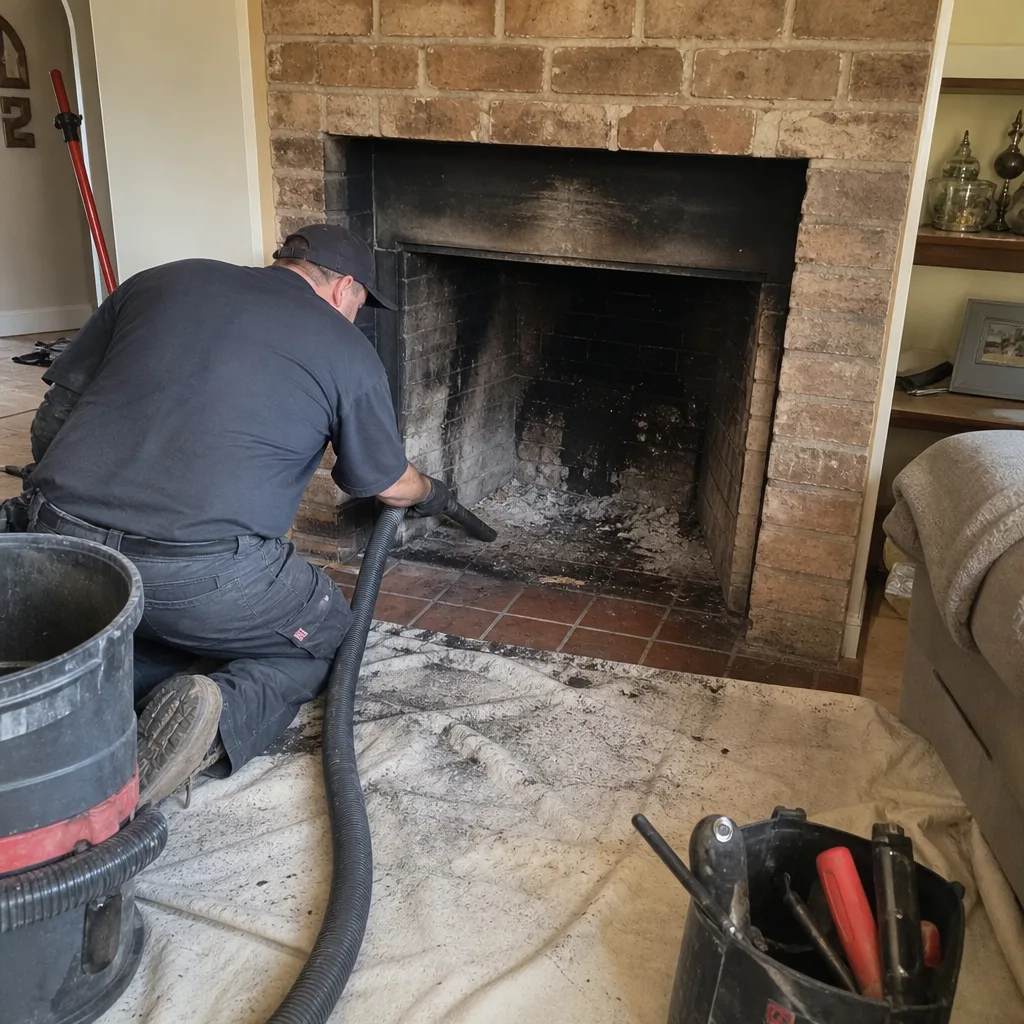 Before
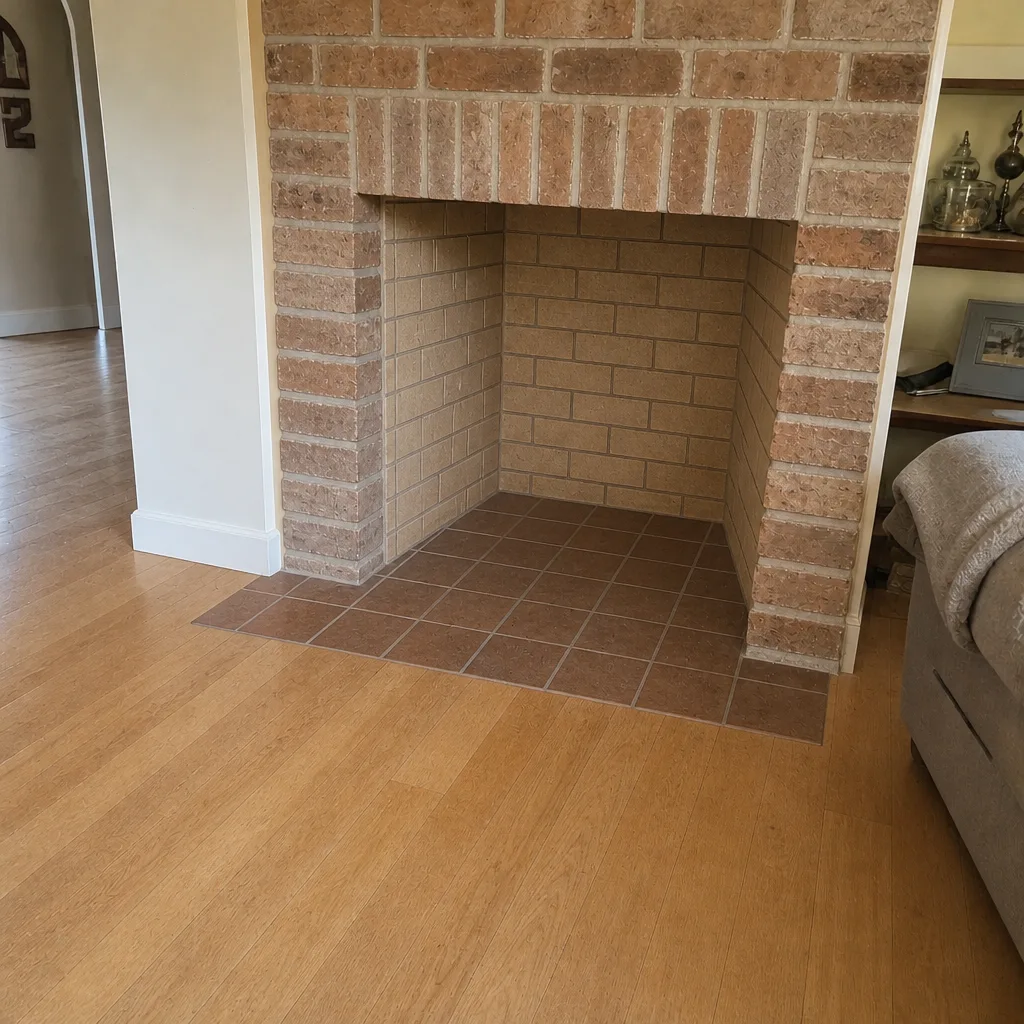 After
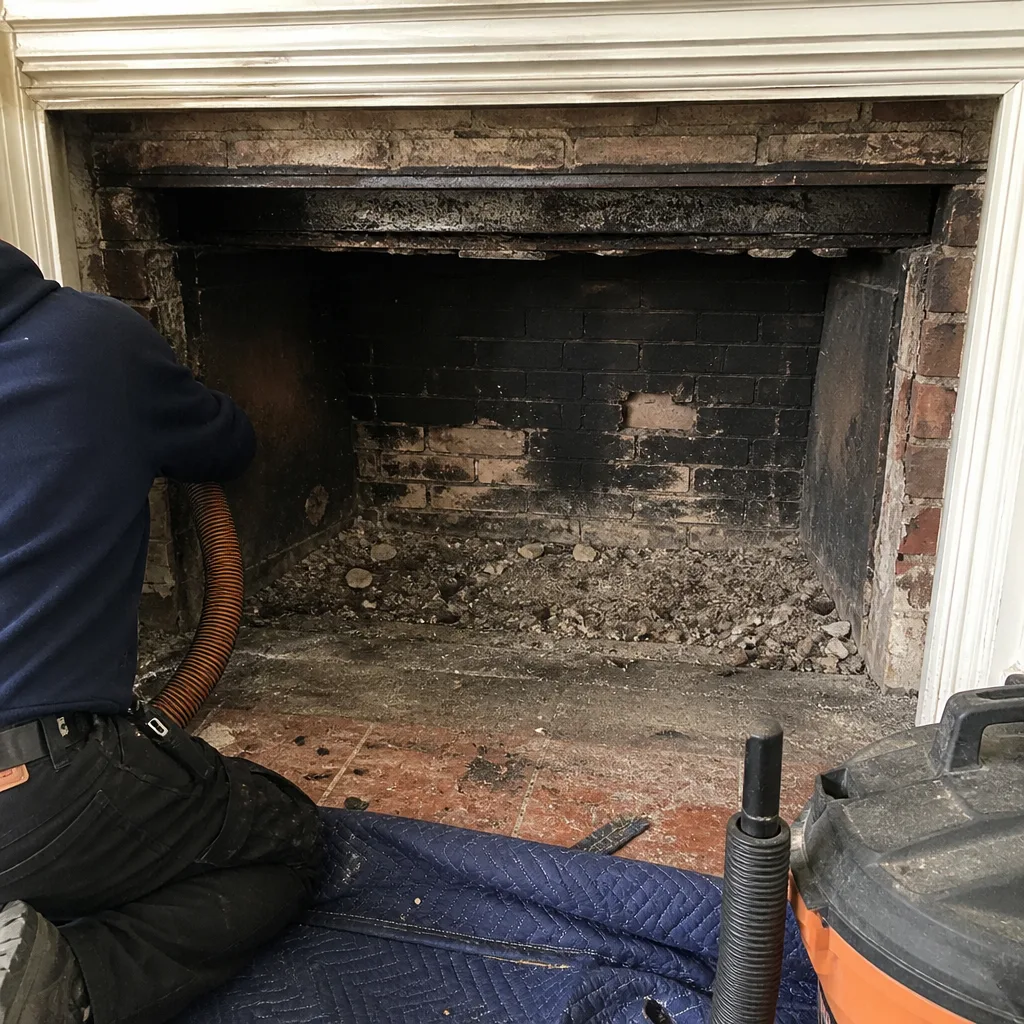 Before
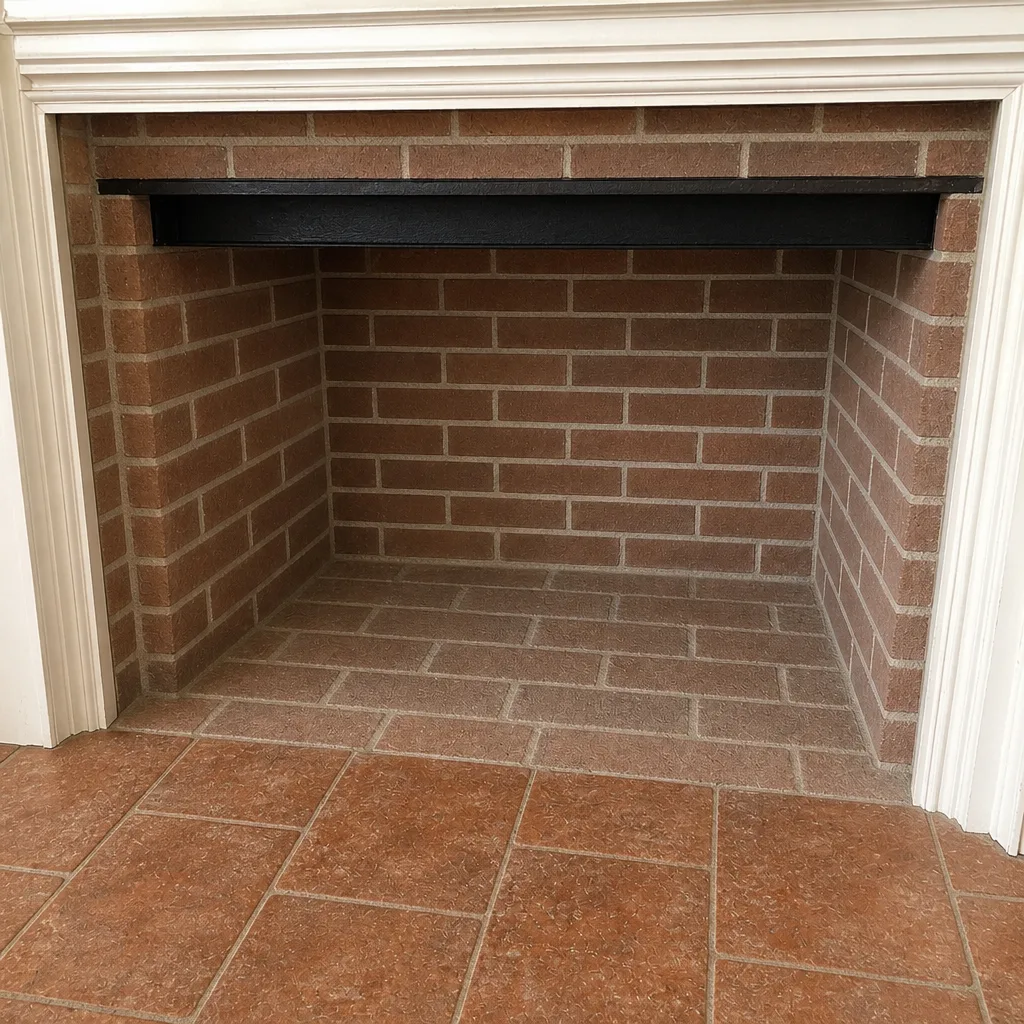 After
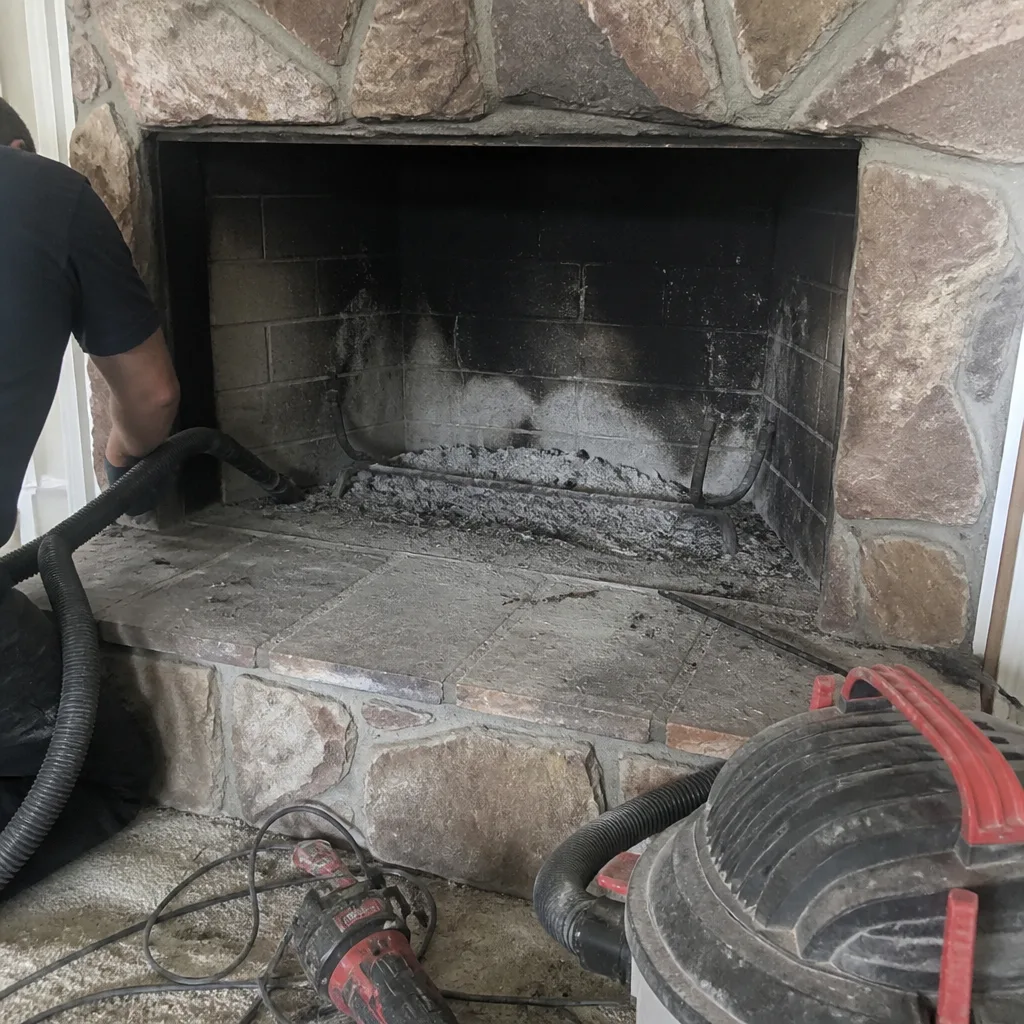 Before
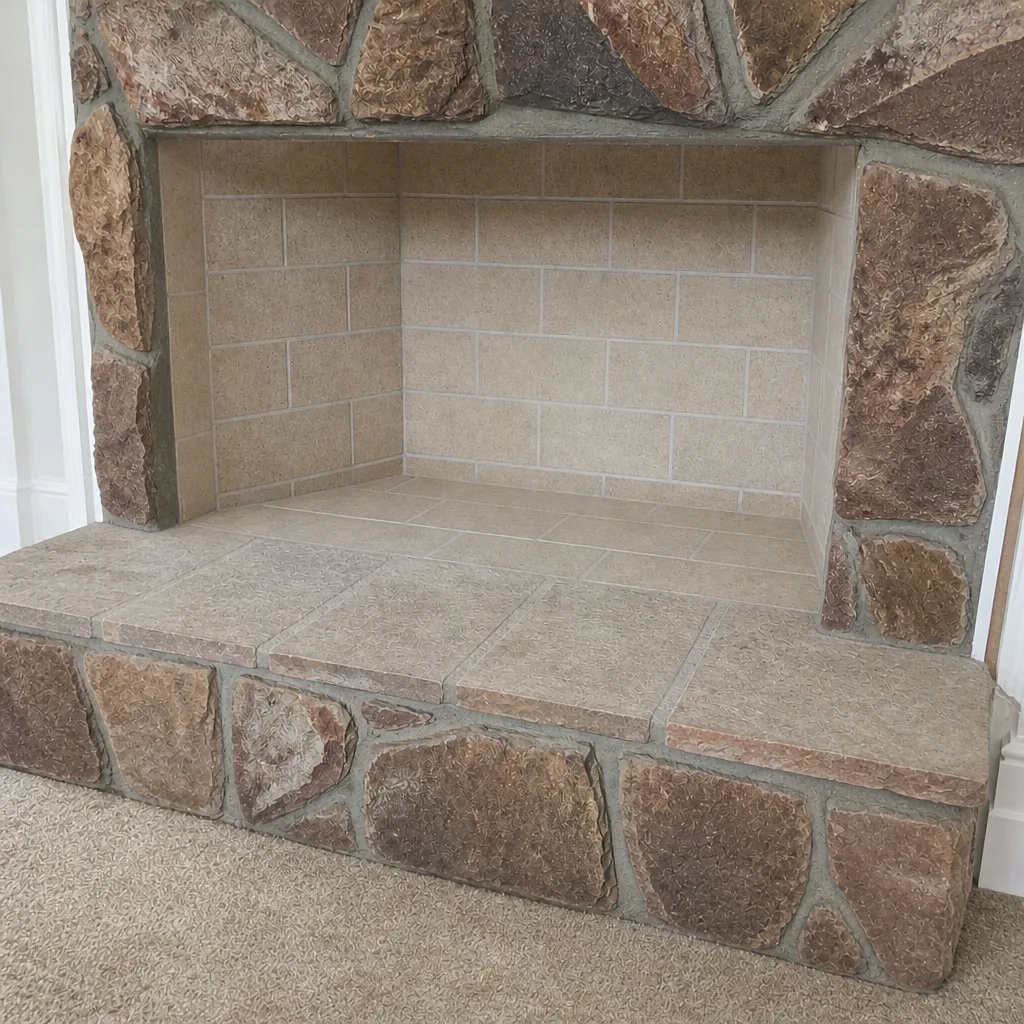 After
When to Call a Professional
Call a professional when you’re buying or selling a home with a fireplace in Arvada, when a chimney hasn’t been inspected in more than a year, or when you’ve noticed water staining on the ceiling near the chimney, crumbling mortar at the crown, or a damper that sticks. Any of these can signal a condition that goes beyond cleaning. Call before you use a wood-burning appliance in a home you’ve just purchased, and call before you approve any repair that involves the liner or the firebox – that’s the point where permits, code, and safety all meet. Arvada Chimney Sweep Co offers free estimates in Arvada – call (888) 378-1823. We answer 24/7. Fast dispatch from 7am to 7pm, Sunday through Friday. Our technicians have up to 12 years of experience, and we handle the full chimney system from the firebox to the crown. For a routine annual visit, start with a chimney sweep and camera inspection.
Frequently Asked Questions
No. Chimney cleaning and annual inspections do not require a building permit in Arvada. The permit question only comes up when the work changes the chimney structure, the liner, or the appliance. If a cleaning uncovers a liner problem, the repair that follows will usually need a permit – and that permit is the contractor’s responsibility to pull.
Relining a chimney, installing a gas insert, rebuilding a firebox, adding or changing a wood-burning appliance, and structural masonry work above the roofline all typically require a permit from the City of Arvada, or Jefferson County for unincorporated addresses. Routine cap and crown maintenance usually does not. The dividing line is whether the work changes the flue, the firebox, or the appliance itself.
It depends on your address. Inside Arvada city limits, the City of Arvada issues the permit and its building department performs the inspection. In unincorporated Jefferson County, the county handles both. If you’re near a boundary, the contractor should confirm the correct jurisdiction before work begins – that’s a normal part of the job.
Ask for the permit number in writing before work starts, then confirm it on the Arvada or Jefferson County online permit portal. The named contractor on the permit should match the company doing the work. Keep the final inspection record after the job is done, because it’s your documentation if the home ever sells.
IRC Section R1001 sets the requirements for chimney construction and venting in residential buildings, including liner continuity, flue sizing for the appliance type, and termination height above the roof. In practice, this is why an unlined chimney that has served a home for decades may not be code-compliant for a new wood-burning insert. NFPA 211 sets the inspection requirements that go alongside it.
Colorado doesn’t require a chimney inspection to sell a home, but a Level 2 inspection is standard practice during a real estate transaction and highly recommended in Arvada’s older neighborhoods. Unpermitted or undocumented repair work can stall a closing when the buyer’s inspector flags it. A recent inspection report with camera documentation prevents that.
Retroactive permitting is possible in many cases, but it’s more expensive and more complicated than pulling the permit upfront – especially when the work is already sealed inside a relined flue. If you’re buying a home with undocumented repair work, plan for the cost of a Level 2 inspection and possibly a retroactive permit before closing.
NFPA 211 calls for an annual inspection and cleaning, which matches what we recommend for wood-burning chimneys along the Front Range. Arvada’s freeze-thaw cycle is hard on masonry crowns and mortar joints, so an annual look catches small water problems before they become structural repairs.
The Bottom Line
Chimney cleaning itself is routine, but the work a cleaning uncovers can trigger permit and inspection requirements that most homeowners don’t anticipate. In Arvada, relining, gas insert installation, firebox rebuilds, and structural masonry work all typically require a permit – issued by the City of Arvada or Jefferson County depending on the address. Those permits are the contractor’s responsibility, and verifying them is your protection. IRC Section R1001 and NFPA 211 set the standards the inspection enforces, and a Level 2 inspection is the practical safeguard during any home sale. The difference between a permitted job with documentation and an undocumented one only shows up when it matters – usually at closing. Arvada Chimney Sweep Co handles sweep, inspection, liner repair, and masonry repair under one company, using professional-grade materials like DuraFlex, HeatShield, and Gelco. Call (888) 378-1823 for a free estimate. We answer 24/7. Fast dispatch from 7am to 7pm, Sunday through Friday.
Written by the team at Arvada Chimney Sweep Co.