
Last updated November 23, 2026
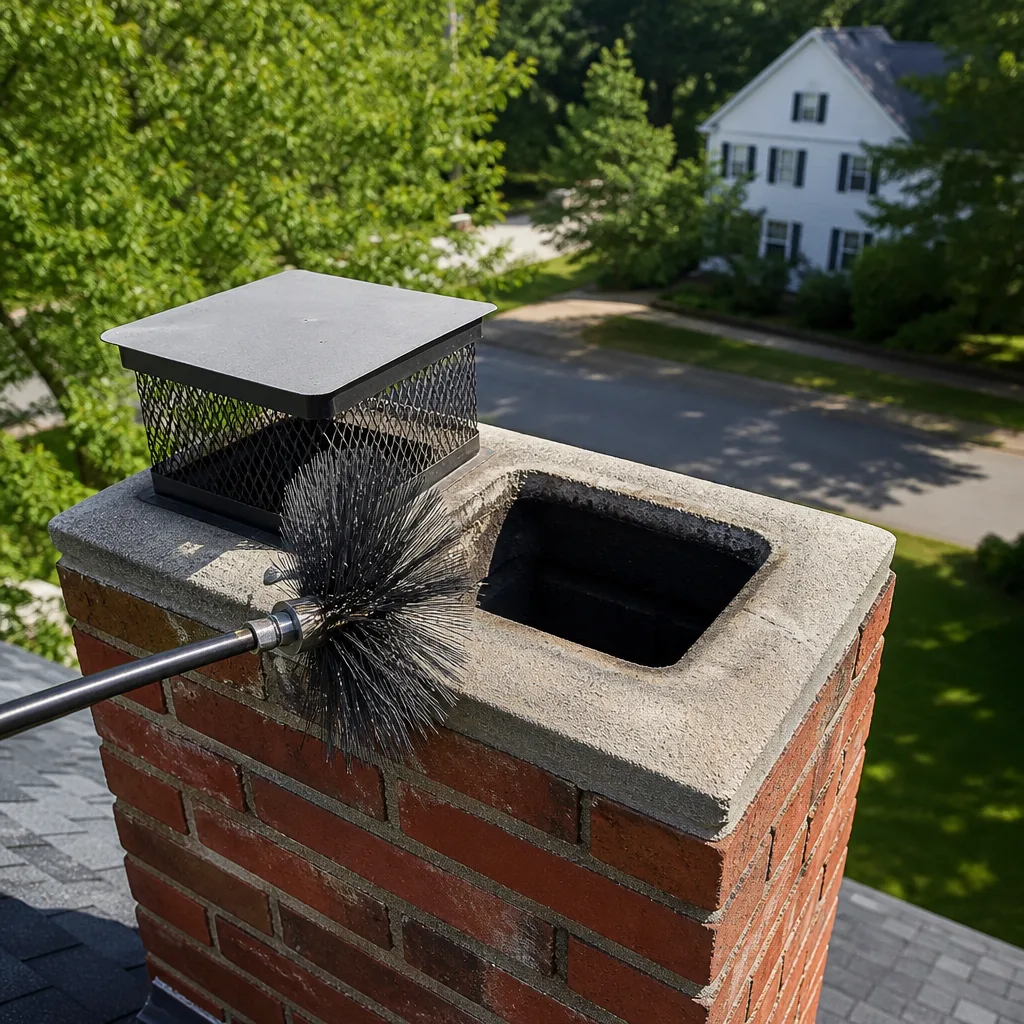 Sweep & inspection
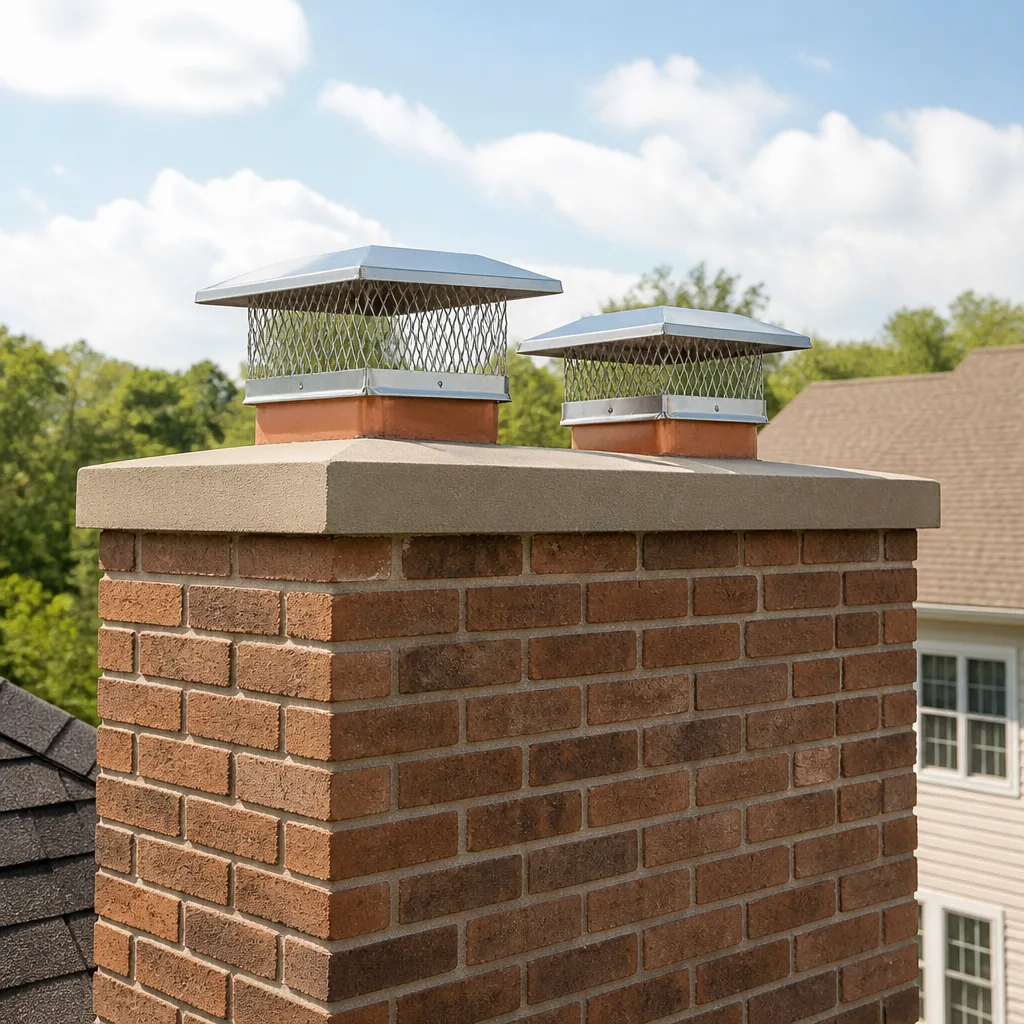 Caps & crowns
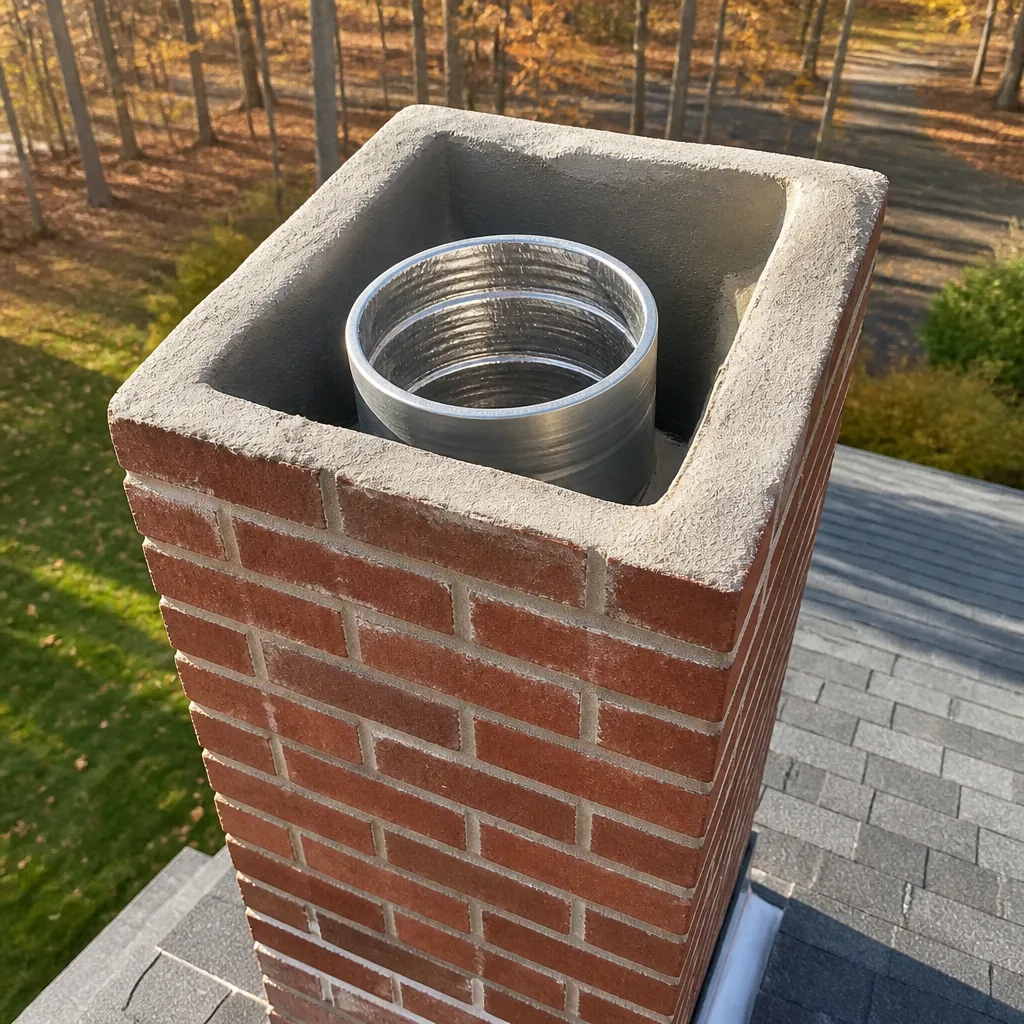 Flue relining
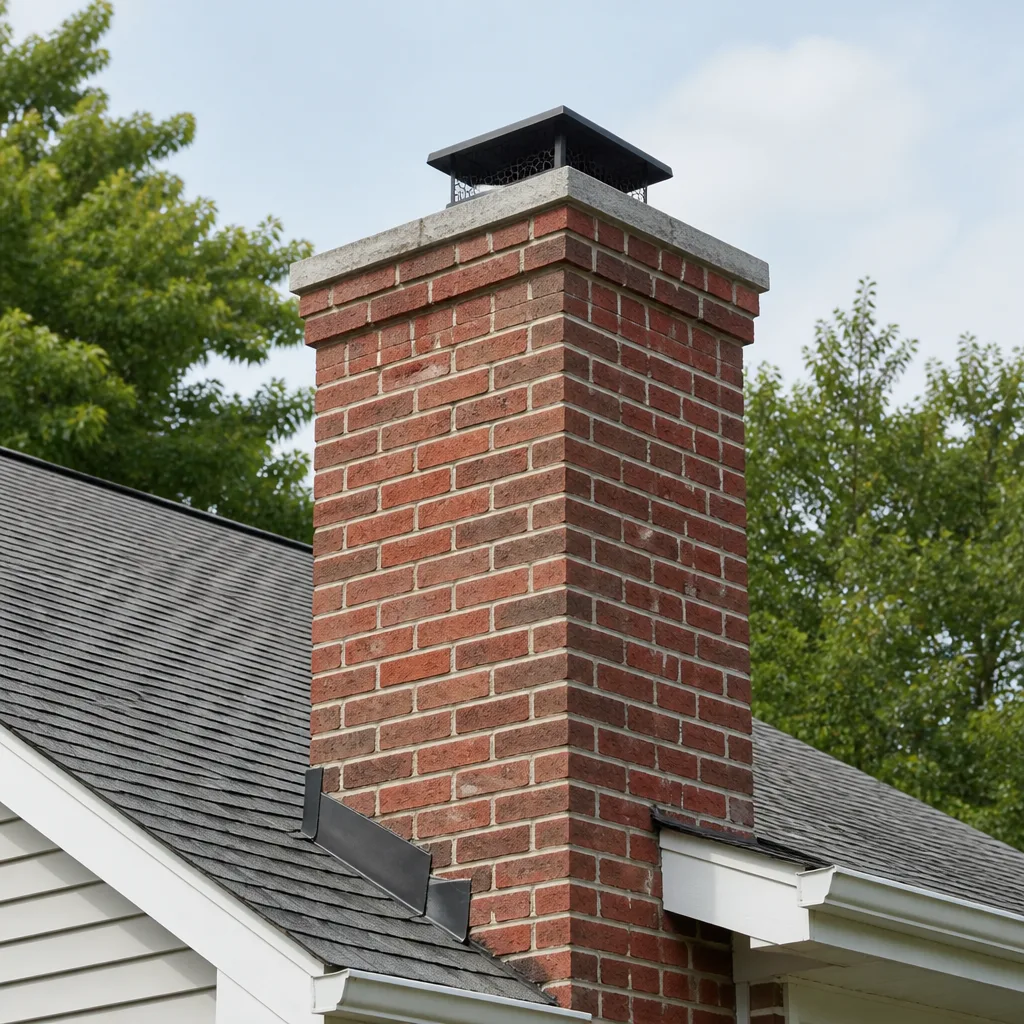 Masonry repair
 Gas fireplace service
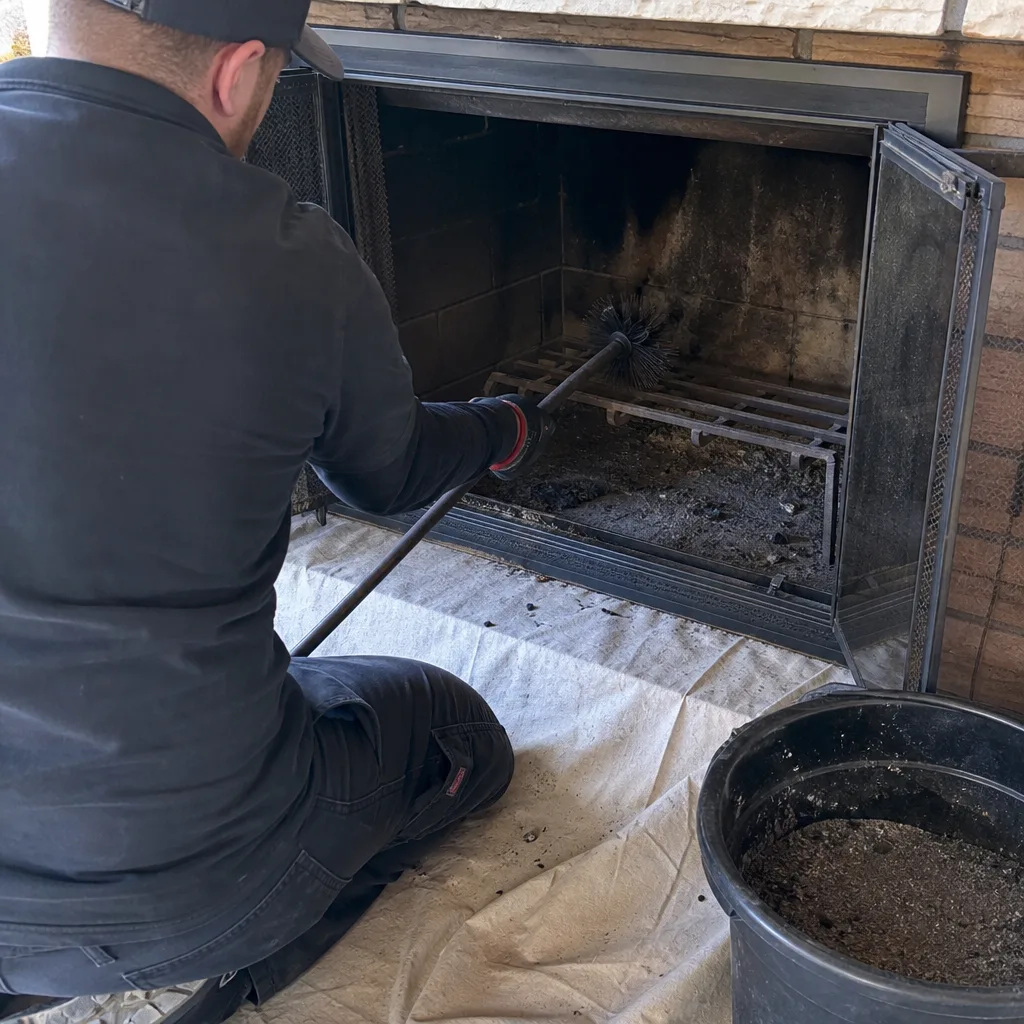
Level 1 sweep and inspection to the NFPA 211 annual standard - flue, crown, cap, and flashing checked and photographed
Chimney sweep logs do not sweep chimneys. They loosen some creosote - which then falls where a brush and vacuum still have to collect it.
Chimney Cleaning Warning Signs: An Arvada Homeowner’s Reference Guide
The sign Arvada homeowners ignore most often isn’t smoke rolling into the room. It’s a faint oily or asphalt-like smell near the fireplace on a warm day. That odor is stage 2 creosote off-gassing, and it means a cleaning is overdue rather than optional. By the time smoke backs up or the fire struggles to draw, the problem has usually been building for one to three seasons. This guide covers the early-stage indicators that show up long before failure: what different odors mean, what to look for at the firebox and from the ground, when draft trouble points to a structural cause, and the line between “schedule a sweep soon” and “don’t light another fire until someone inspects it.” Arvada homes sit at the edge of the plains with a long, dry heating season, and the warning signs here reflect that.
Quick Answer
The main chimney cleaning warning signs are a sour or asphalt-like smell near the fireplace, glossy black glaze on the damper or smoke chamber, black staining above the smoke shelf, white mineral blooms on interior brick, fires that puff smoke back on startup, and staining or crumbling mortar visible from the ground. Stage 2 and stage 3 creosote, animal nesting, and water intrusion are the usual causes. Any sign of combustion gas in the room or a chimney fire means stop using the fireplace and get an inspection first.
Styles & brands we work with
- Sweep & inspection
- Caps & crowns
- Flue relining
- Masonry repair
- Gas fireplace service
Table of Contents
- What Chimney Odors Tell You: Four Types and What Each Means
- Visual Warning Signs at the Firebox Opening
- Draft Warning Signs: When the Fire Won’t Draw
- Exterior Warning Signs You Can See From the Ground
- Creosote Stages: Why Timing Matters in Arvada
- “Schedule a Sweep Soon” vs. “Stop Using the Fireplace Now”
- When a Cleaning Sign Is Actually a Repair Sign
- Common Mistakes to Avoid
- When to Call a Professional
- Frequently Asked Questions
What Chimney Odors Tell You: Four Types and What Each Means
Chimney odors are the earliest warning sign most homeowners have, and they’re the one most often misread. A smell you notice when the fireplace is cold, on a warm day, or after rain is telling you something specific. Once you learn to separate the four common types, you can tell whether you’re looking at a cleaning that’s overdue, an animal problem, water getting in, or a safety issue that needs immediate attention. Homeowners across Arvada deal with all four, and the differences matter.
1. Creosote: oily, asphalt-like, or sour
This is the faint oily or asphalt-like smell that drifts out of the firebox on warm days. It’s creosote vaporizing. Stage 1 creosote is soot and flake that a brush removes easily. Stage 2 is a mix of flake and hard, crusty deposits, and it’s the stage where off-gassing becomes noticeable. Stage 3 is glazed, hardened creosote that has baked onto the flue, and it’s the fuel source in most serious chimney fires. Oily odor on a warm day usually means you’re at stage 2 or beyond. Schedule a sweep. If the smell is strong and sharp, treat it as urgent.
2. Animal intrusion: musky, sharp, or distinctly “wild”
Birds, squirrels, and raccoons get into uncapped chimneys constantly. The smell is musky or sharp, and you may hear scratching or fluttering. Nesting material is flammable, and droppings around the damper are a health concern. An uncapped flue is the most common cause, and it points to two jobs: sweep out the debris and install a proper cap. We install Gelco caps as part of our cap and crown work for exactly this reason.
3. Moisture: musty and damp
A musty, earthy smell, especially after rain or snowmelt, means water is getting into the chimney system. In Arvada, the cycle is hard on masonry: wet-and-freeze weather through winter followed by a dry, hot summer, so freeze-thaw cycles loosen mortar joints and open small cracks that let water in. Look for dark stains on interior brick or the firebox. Water intrusion leads to spalling brick, deteriorating mortar, and eventually a rusted damper or firebox assembly. If the smell is musty, address it before the next heating season.
4. Combustion gas: sulfurous, or a headache you can’t explain
A rotten-egg or sulfur smell, or headaches, dizziness, and nausea when the fire is running, is a red flag. This can indicate a venting problem where carbon monoxide is coming back into the house. Stop using the fireplace immediately. That’s not a “schedule a sweep” situation; it’s a “get an inspection before you light another fire” situation.
Visual Warning Signs at the Firebox Opening
You don’t need to climb on the roof to catch early problems. The firebox opening and the smoke chamber behind it are where the most useful homeowner observations happen. We recommend a flashlight and a few minutes before the first fire of the season. Look up through the damper with the damper open and the room lights off. What you see in that throat tells you a lot.
Glaze on the damper and smoke chamber
Clean metal on the damper and smoke chamber is normal. A glossy, black, tar-like coating is stage 3 glazed creosote, and it’s the most dangerous kind. It’s the fuel that turns a slow smolder into a roaring flue fire. Glazed creosote cannot be brushed off; it has to be chemically treated and scraped, or in some cases the flue has to be resurfaced. If you see shiny black buildup on the damper throat, stop burning until a professional inspects it.
Black staining above the smoke shelf
The smoke shelf sits above the damper, and soot staining on the brickwork behind and above it means smoke is backing up rather than flowing cleanly up the flue. That’s an early clue that the flue is undersized, blocked, or out of balance with the fireplace opening. Black staining just above the smoke shelf is a “get this looked at” sign, not a “keep burning and see how it goes” sign.
White efflorescence on interior brick
White, chalky mineral blooms on the interior brick are efflorescence, which means water is migrating through the masonry and evaporating, leaving salts behind. Efflorescence isn’t a cleaning problem; it’s a moisture problem. In Arvada’s freeze-thaw climate, that moisture is what cracks mortar and shales brick face over time. It’s the same warning at the interior that staining below the cap is at the exterior.
Draft Warning Signs: When the Fire Won’t Draw
A fire that used to burn well and now struggles is giving you information. Draft problems fall into a few predictable patterns, and each one points to a different cause. In our experience, homeowners tend to blame the wood first. Sometimes that’s right. But a change in draft after years of good performance usually means something in the chimney changed.
Fires that struggle to light
If you have to work to get a fire going, and it smolders instead of catching, the flue isn’t pulling air. Common causes: a partially blocked flue (creosote, nesting, a fallen liner), a closed or broken damper, or a cold flue on the first fire of the season. A cold-flue issue is normal; a blocked flue is not. If your struggles continue after a warm-up burn, get the flue inspected.
Smoke puffing back on startup
Smoke rolling into the room at startup is a classic draft sign. It’s worse in tightly sealed modern homes, where the house itself is so tight that the fire can’t pull enough air. If you get a puff of smoke every time you light and then it settles, crack a nearby window during startup. If it still puffs back with a window open, the flue is out of balance or partly blocked. Stop and get it checked.
Fires that go out without explanation
A fire that runs hot for an hour and then quietly dies with plenty of fuel left is telling you the draft reversed. Reversal is common on windy days in Arvada when a downwelling current overrides the flue. Persistent reversal points to an inadequate termination, an undersized flue, or a chimney that’s lost its proper height above the roofline. If your fires die out repeatedly, the chimney is worth diagnosing.
Exterior Warning Signs You Can See From the Ground
You can learn a lot about a chimney’s health from the ground with a pair of binoculars. Walk the yard once a season, especially in Arvada after winter’s freeze-thaw cycle. What you see at the top of the chimney often mirrors what’s happening inside.
Staining below the chimney cap
Dark streaking down the side of the chimney below the cap means water is getting past the cap and washing soot and dirt down the masonry. It also means the cap isn’t sealing the flue properly. A cap that’s rusted, loose, or missing is the most common entry point for both water and animals.
Crumbling mortar at the crown
The crown is the sloped concrete surface at the very top of the chimney. It’s supposed to shed water. When it cracks or crumbles, water gets into the masonry below, and freeze-thaw cycles through winter do steady damage. Crown damage is one of the most common causes of expensive chimney repairs, and it’s cheap to fix early. Rebuilding or resurfacing the crown is a preventive step worth taking before water intrusion gets into the structure.
Rust streaks on the chase cover or cap
Rust streaks on the chase cover (the metal cap over a prefab chimney) or the cap’s metal parts mean water is pooling and eating the steel. A rusting chase cover is a structural warning that water is reaching the chase and the flue. A rusted cap is also loose and prone to blowing off in a spring storm.
Spalling on the chimney’s brick face
Brick faces that are flaking or popping off in sheets is spalling. It means water is getting into the brick and breaking it from the inside out. In Arvada, where winter swing between hard freezes and thaws is common, spalling moves quickly once it starts. Spalling brick is a chimney repair matter, not a chimney cleaning one.
Creosote Stages: Why Timing Matters in Arvada
Arvada’s heating pattern drives creosote buildup faster than many homeowners realize. The season is long enough that many households burn steadily from October into April, then let the system sit unused for months. Cool fires, dampened-down overnight burns, and burning wood that isn’t fully seasoned all produce more creosote per cord. If you burn hardwood that’s been split and stacked for at least a season, you’re ahead of the curve. If you’re burning whatever came with the house, you’re not.
The three stages, in plain terms
- Stage 1: Soot and flake. Soft, dusty, flakey. A standard chimney brush removes it. This is normal, and a yearly sweep handles it.
- Stage 2: Hard, crusty deposits. The creosote starts to look and feel like a crust on the flue walls. It’s the stage that off-gasses on warm days and the stage where a brush alone may not be enough. Schedule a sweep. If it’s thick, expect a more involved cleaning.
- Stage 3: Glazed, hardened, tar-like. This is the dangerous stage. It looks like a shiny black coating on the flue and is the fuel in most serious chimney fires. Glazed creosote needs chemical treatment and mechanical removal, and in some cases the flue needs to be relined or resurfaced.
How often should a wood-burning chimney be swept in Arvada?
The general rule is once a year, or once for every cord of wood you burn, whichever comes first. Heavy burners should get a sweep at the start of the season before the first fire. Gas fireplace owners still need an annual inspection, because venting and debris problems show up in gas systems too. Wood-burning appliances used heavily enough to produce glazed creosote may need a cleaning mid-season. When you’re not sure which category you’re in, a sweep booked before the first cold snap settles it.
“Schedule a Sweep Soon” vs. “Stop Using the Fireplace Now”
Not every warning sign carries the same urgency. Getting this distinction right keeps you from either ignoring a real danger or panicking over something that can wait a few weeks. Here’s how we draw the line.
Schedule a sweep soon
- Oily or asphalt-like odor near the fireplace on warm days (stage 2 creosote)
- Visible soot or creosote buildup on the firebox walls or the smoke chamber throat
- Black staining above the smoke shelf
- White efflorescence on interior brick (schedule a sweep and a moisture investigation)
- Past-due annual sweep and a planned open-burning season
Stop using the fireplace now
- Glossy, tar-like glaze visible on the damper or smoke chamber (stage 3 creosote)
- Combustion smell, headaches, or dizziness when the fire is running
- Smoke puffing back into the room even with a window cracked
- Any sign of an animal in the flue, or a cap that’s come loose or gone missing
- A visible crack in the flue tile, a collapsed firebox panel, or loose masonry at the chimney top
- Any chimney fire, even a small one (creosote can re-ignite for hours after what looks like the end)
When a Cleaning Sign Is Actually a Repair Sign
Some warning signs look like a cleaning problem but are really a repair problem. Calling a sweep-only company for these gets you a clean system that still has an underlying defect. We handle the full chimney system – from the firebox to the crown – which is why we say we can tell the difference between cleaning, repair, and relining in the same visit.
Draft problems that cleaning won’t fix
If your flue is clean but the fire still won’t draw, the problem is structural: an undersized flue, a damaged liner, or a chimney that’s lost the correct height above the roofline. Cleaning won’t change any of those. A proper inspection tells you which.
Water intrusion that cleaning won’t fix
Efflorescence, staining, and spalling brick are all water problems. Cleaning the flue doesn’t stop water. The fix is the cap and crown, and sometimes resurfacing or rebuilding the crown. A cap installation today prevents a water-damage repair down the road.
Cracked or spalling flue tile
Cracked flue tiles let creosote and combustion gas escape into the surrounding structure. If the tile is damaged, cleaning is the start of the conversation, not the end. Depending on the extent, the right fix may be a HeatShield resurfacing of the flue or a full reline with a DuraFlex flexible liner. Both are professional-grade materials, and both require trained installation. A sweep-only company will hand off a reline job; we handle it.
Damaged firebox or damper
A cracked firebox panel or a damper that won’t open fully is a firebox-level repair. We include fireplace repair as part of our services for exactly this reason – a chimney issue that lives inside the firebox is still a chimney issue.
Common Mistakes to Avoid
- Burning the smell away. The oily smell near the firebox on a warm day doesn’t cure itself once cold weather returns. It’s stage 2 creosote off-gassing, and lighting a fire adds to the fuel load instead of clearing it.
- Assuming a brisk fire is a safe fire. A hot, fast fire can look healthy and still be burning glazed creosote that’s building up inside the flue. Draft performance and flue condition are separate things.
- Skipping the sweep because the fire “looks fine.” Creosote at stage 2 and above is often invisible from the firebox. A yearly sweep is the only reliable way to know.
- Ignoring exterior damage in Arvada’s freeze-thaw cycle. Crumbling mortar at the crown and spalling brick move quickly through a hard winter. Small repairs now are far cheaper than masonry restoration later.
- Treating musty odors as a small thing. A musty smell after snowmelt or rain is water intrusion, which is the leading cause of expensive chimney damage. It doesn’t resolve on its own.
- Burning unseasoned wood to save money. Green or damp wood produces more creosote per cord than seasoned hardwood. It’s the most common reason a flue that was swept last year is due again.
- Calling a sweep-only company for a repair job. If the flue is cracked or the crown is crumbling, a cleaning alone leaves the underlying problem in place. One company that handles sweep, inspection, and chimney repair will save you the handoff.
See the difference
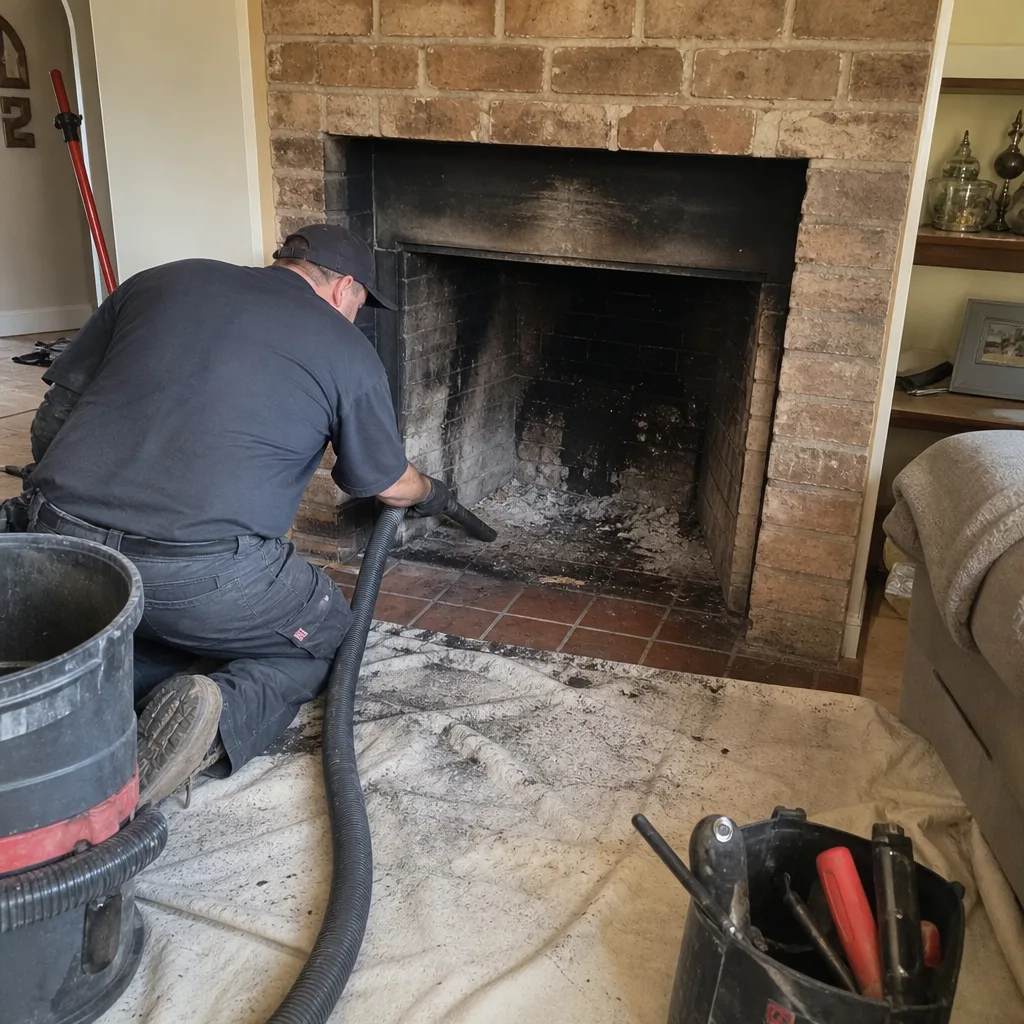 Before
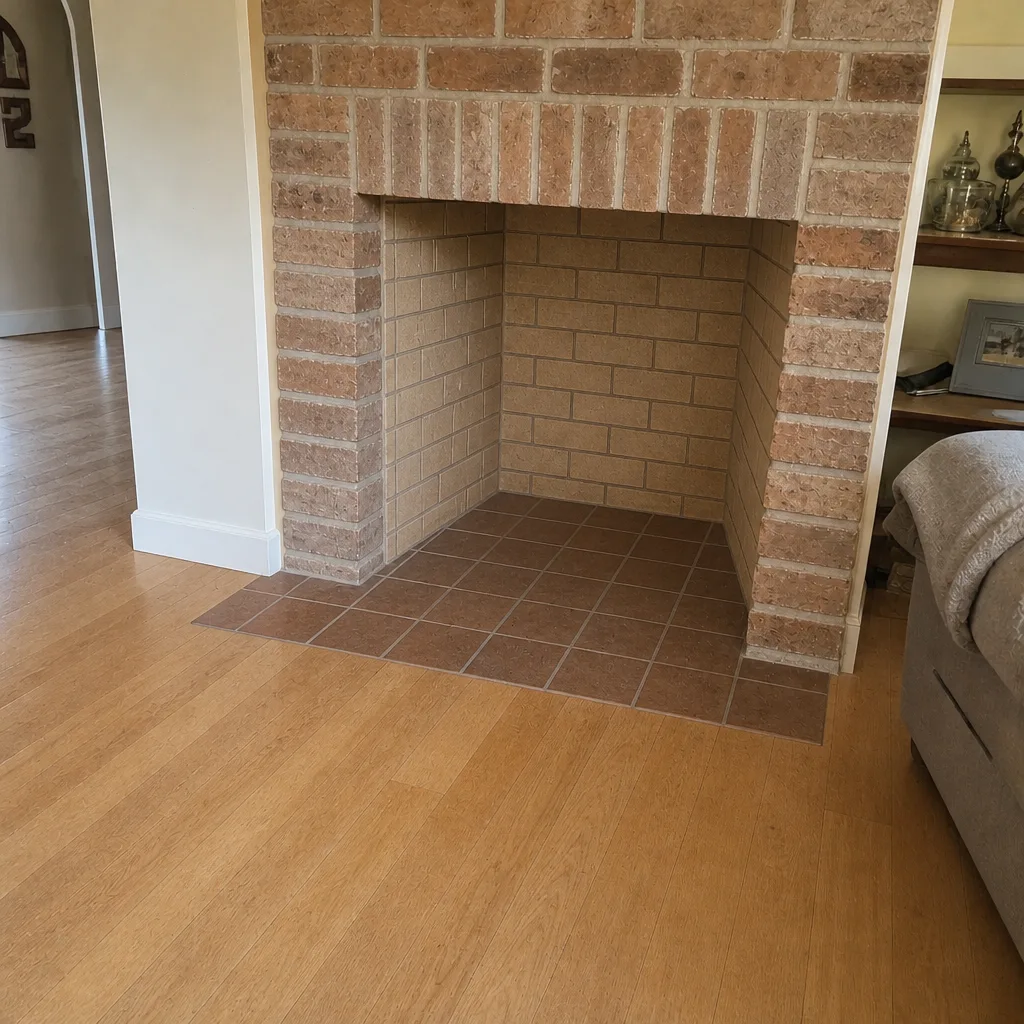 After
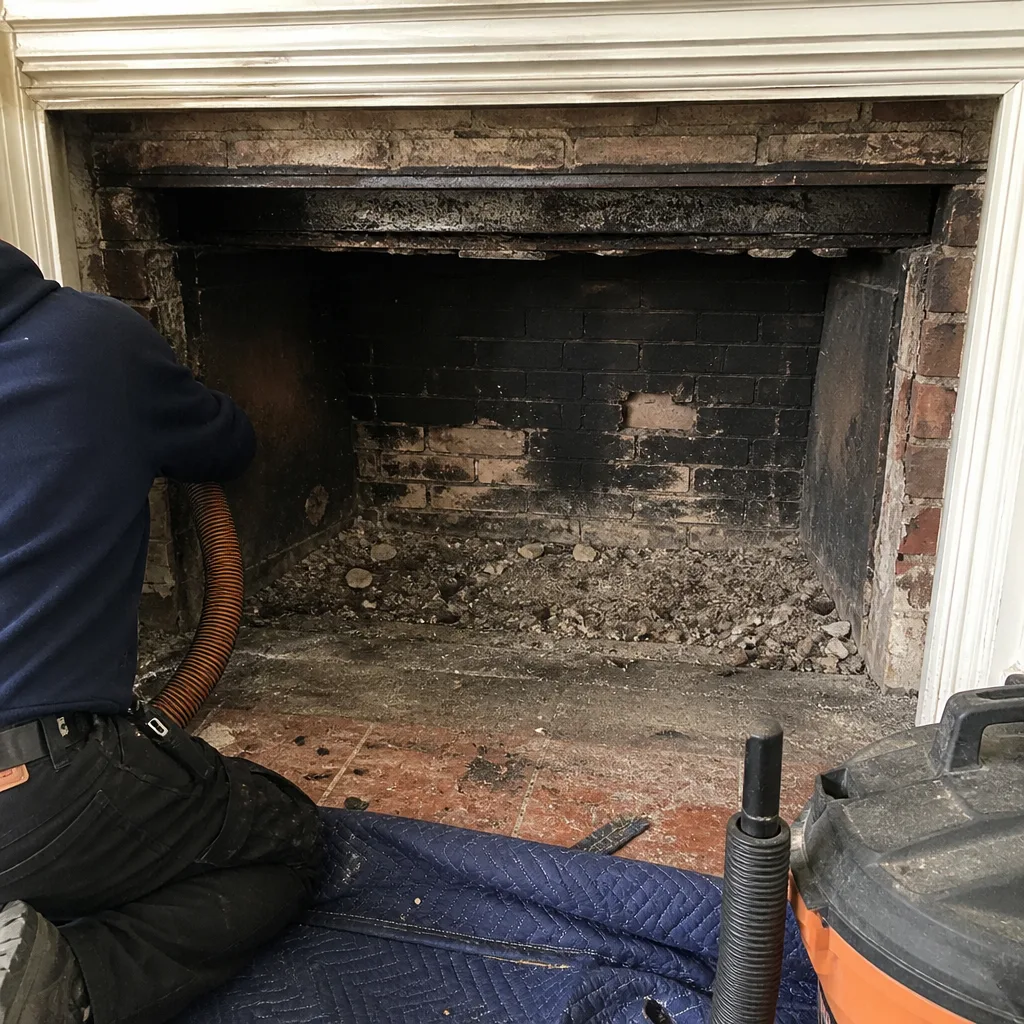 Before
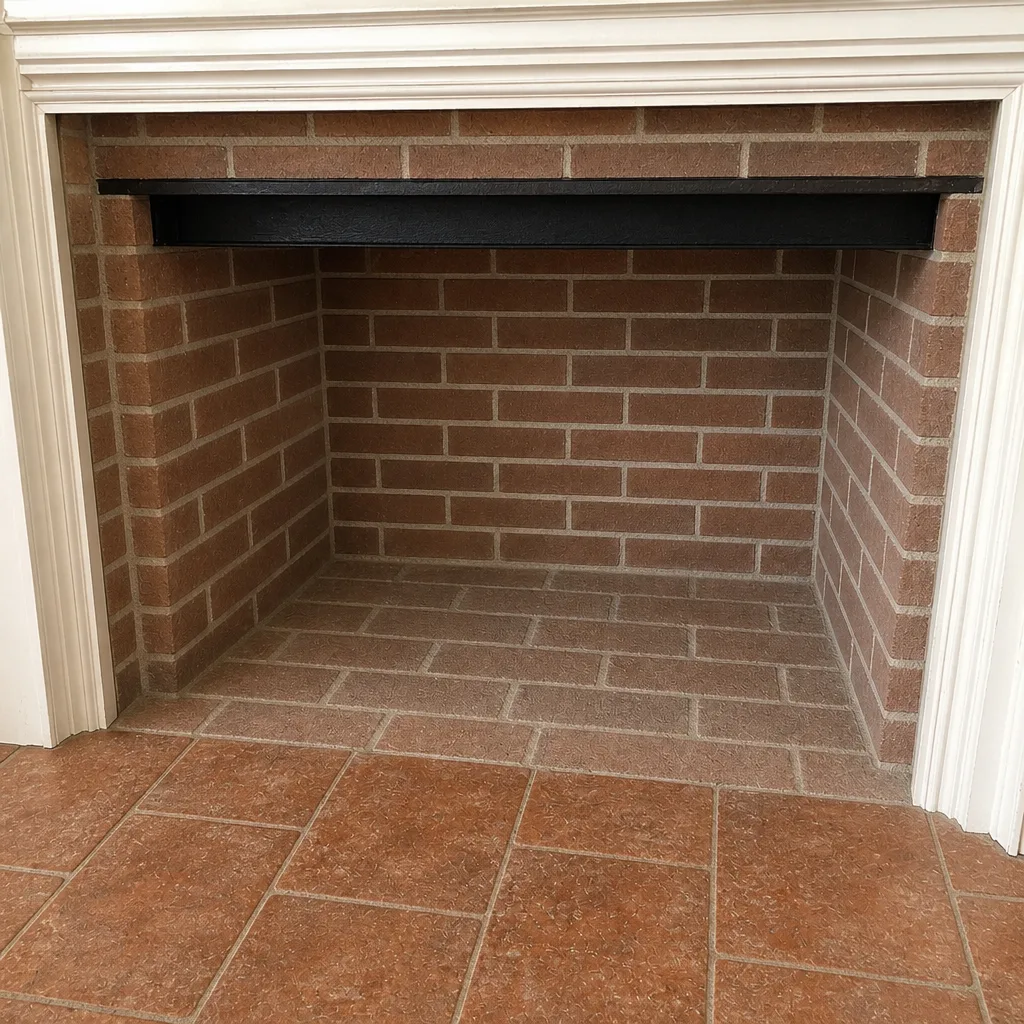 After
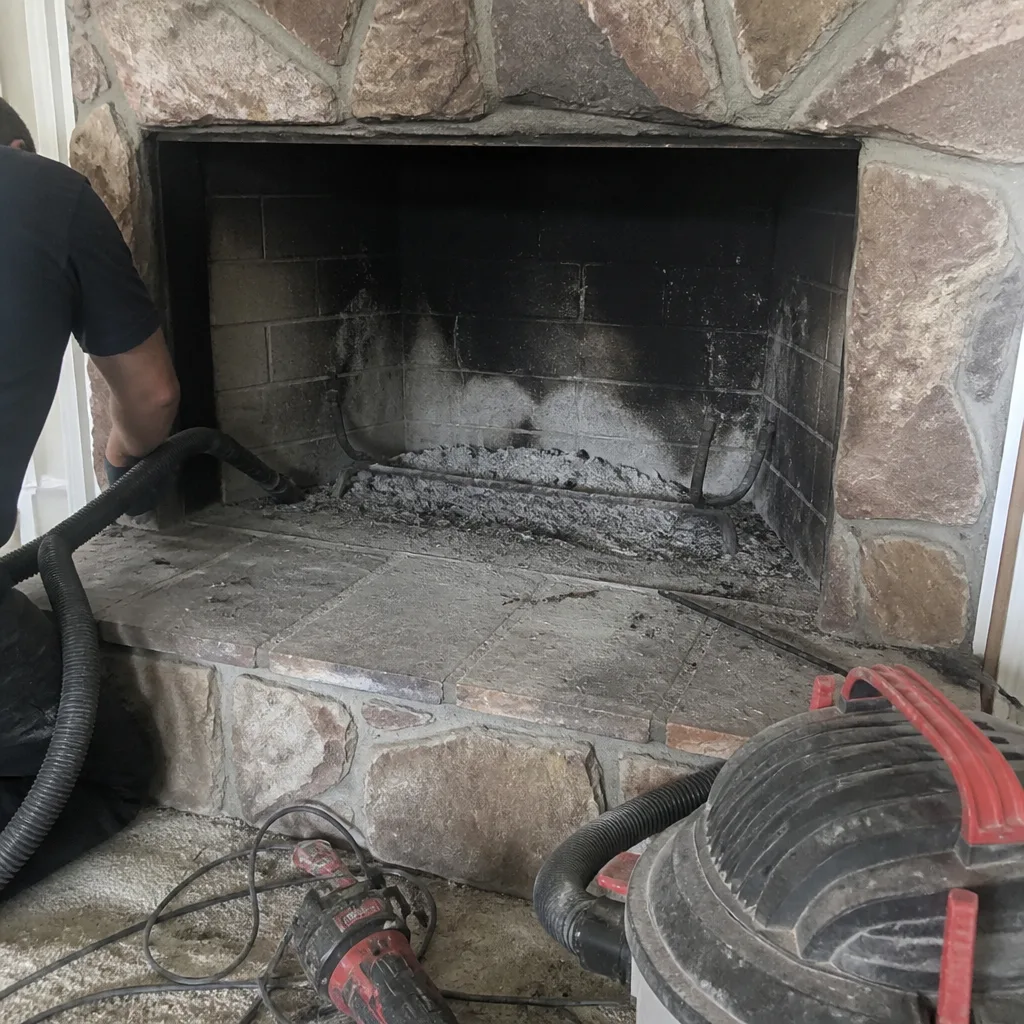 Before
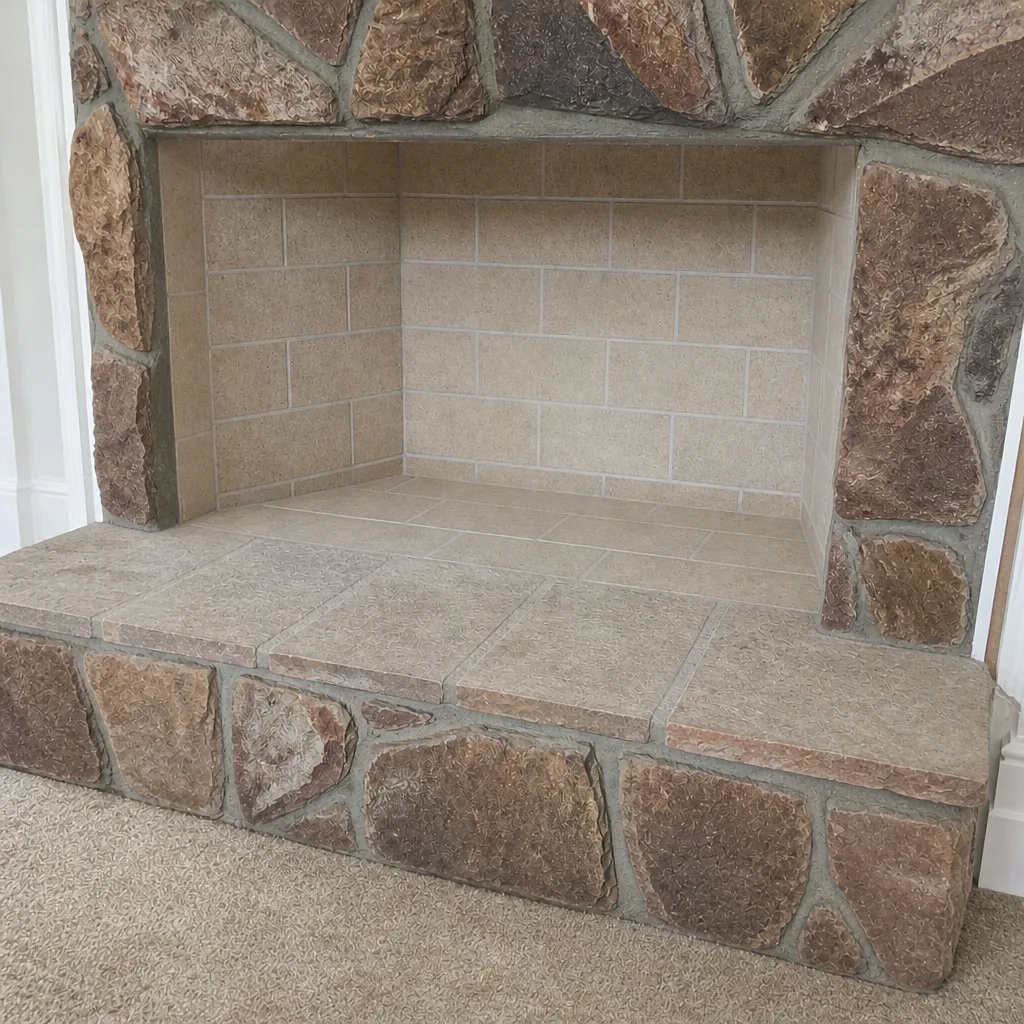 After
When to Call a Professional
Call a professional when you notice any stage 2 or stage 3 creosote sign, any combustion odor or headache when the fire’s running, draft trouble that persists after a warm-up burn, water intrusion at the firebox or exterior, animal activity in the flue, or a visible crack or loose masonry in the chimney. Call before the first fire of the season if you can’t remember your last sweep. Arvada Chimney Sweep Co offers free estimates in Arvada – call (888) 378-1823. We answer 24/7. Fast dispatch from 7am to 7pm, Sunday through Friday. Our technicians have up to 12 years of experience, and we handle sweep, inspection, liner repair, cap and crown, and structural repair in one visit. If you’ve never had a chimney sweep on this chimney, start there and let the inspection tell you what else needs doing.
Frequently Asked Questions
The earliest signs are usually an oily, asphalt-like or sour smell near the firebox on a warm day, visible soot or creosote on the firebox walls, and hardened creosote in the smoke chamber throat. Black staining just above the smoke shelf and a fire that’s harder to light than it used to be are also early indicators. Many Arvada homeowners notice the smell first and assume it’s seasonal; it usually means a cleaning is overdue.
An oily or asphalt-like smell from a cold fireplace usually means stage 2 creosote is off-gassing into the room on warmer days. It’s not a normal smell and it’s not a seasonal one. Schedule a sweep soon, and skip lighting a fire until the flue has been inspected.
Not necessarily, and we don’t recommend one without evidence you can see. A cracked or damaged flue tile may need a full liner replacement or a HeatShield resurfacing; a flue that only needs cleaning does not. The decision should follow a camera inspection, and you should see the footage. If it helps, we’ll walk you through what we find. Call (888) 378-1823 for a free estimate.
Once a year for most households, or once for every cord of wood burned, whichever comes first. Arvada’s long heating season means a start-of-season sweep is the safest rhythm. Homes that burn steadily from October into spring may need a mid-season cleaning if creosote reaches stage 2.
Skipping a sweep lets creosote build up through stage 2 into stage 3 glazed creosote, which is the fuel in most serious chimney fires, and allows small moisture problems to become masonry damage. It also risks letting a partly blocked flue go unnoticed until smoke backs up. A yearly chimney sweep is the cheapest insurance on the whole system.
A basic sweep of the firebox and flue is something a careful homeowner can do with the right brushes, but the inspection that tells you whether the flue and chimney are sound is a different matter. Flue tile cracks, creosote staging, and crown damage are hard to catch from inside the house, and much of the roof-level work involves heights and access that aren’t safe without proper equipment. Most Arvada homeowners find a professional sweep and inspection faster and more thorough than a DIY job. We’re happy to walk through what we’d recommend before you decide.
The Bottom Line
The warning signs that matter most in Arvada are the quiet ones: a smell you notice on a warm day, a fire that puffs back on startup, a small stain below the cap. They show up one to three seasons before a serious problem does. Recognizing them early is the difference between a routine sweep and a major repair. If you’re not sure what you’re seeing, schedule an inspection. A camera inspection and a written estimate are free, and you can decide what to do with the evidence in hand. Arvada Chimney Sweep Co handles the full chimney system – from the firebox to the crown – so you’re not handed off to a second contractor.
Frequently Asked Questions: Arvada-Specific
Yes. Arvada’s freeze-thaw cycles through winter are hard on exterior masonry. Water gets into small cracks or damaged mortar, freezes, expands, and opens the crack further. That’s why crown damage and spalling brick move faster here than in milder climates. A cap and crown check going into winter is worth the effort.
We don’t quote code specifics. What we can say is that most cities require a permit for structural chimney repair, including crown rebuilding and significant masonry work. Ask your city’s building department about permit requirements before any chimney project begins. A licensed local professional can tell you what’s typically needed.
Book before the first cold snap in October if you can. The weeks before heating season are the busiest, and a sweep scheduled in late summer or early fall gives you time to address any repair found during the inspection. If you missed that window, book before your first fire.
Contact
If you’ve spotted any of these warning signs on your chimney, don’t wait for the next cold snap to act. Call Arvada Chimney Sweep Co at (888) 378-1823 for a free estimate. We answer 24/7. Fast dispatch from 7am to 7pm, Sunday through Friday, and we’re closed Saturday. We handle sweep, inspection, fireplace repair, chimney repair, and cap and crown installation as one company, with professional-grade materials from DuraFlex, HeatShield, Gelco, Olympia Chimney, Famco, and Copperfield. When we recommend a repair, you’ll see the camera evidence for yourself. For a broader overview of who we are and what we do, visit Arvada Chimney Sweep Co.
Written by the team at Arvada Chimney Sweep Co.